About IPS Bark Beetle
IPS Bark Beetle
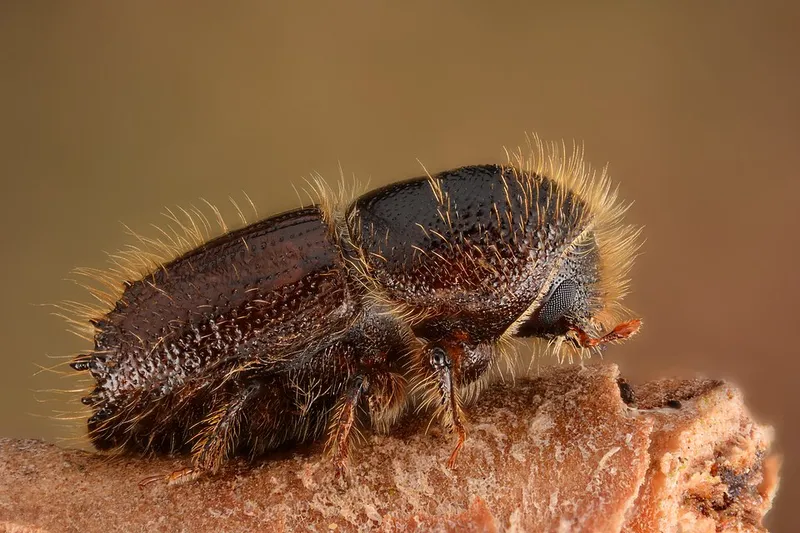
Identification: Several Ips species attack pine in Tennessee; the most common are Ips grandicollis (five-spined Ips) and Ips calligraphus (six-spined Ips). Adults are 3-6 mm, cylindrical, brown to black, with a distinctive concave posterior bearing 3-6 pairs of spines, this scooped-out, spined abdomen separates Ips from the rounded-abdomen southern pine beetle. Galleries under the bark form a characteristic H-shaped or Y-shaped pattern (not the sinuous S-curves of southern pine beetle). Boring frass is reddish-brown.
Life cycle: Two to five or more generations per year in Middle Tennessee. Ips beetles are primarily secondary invaders, attacking trees already weakened by drought, lightning, root injury, recent transplanting, or adjacent southern pine beetle infestation. Adults bore into the inner bark and construct branching egg galleries; larvae feed outward from the gallery until they pupate in the outer bark. The full cycle takes 25-40 days in summer. Freshly cut or storm-damaged pine slash is a major breeding reservoir.
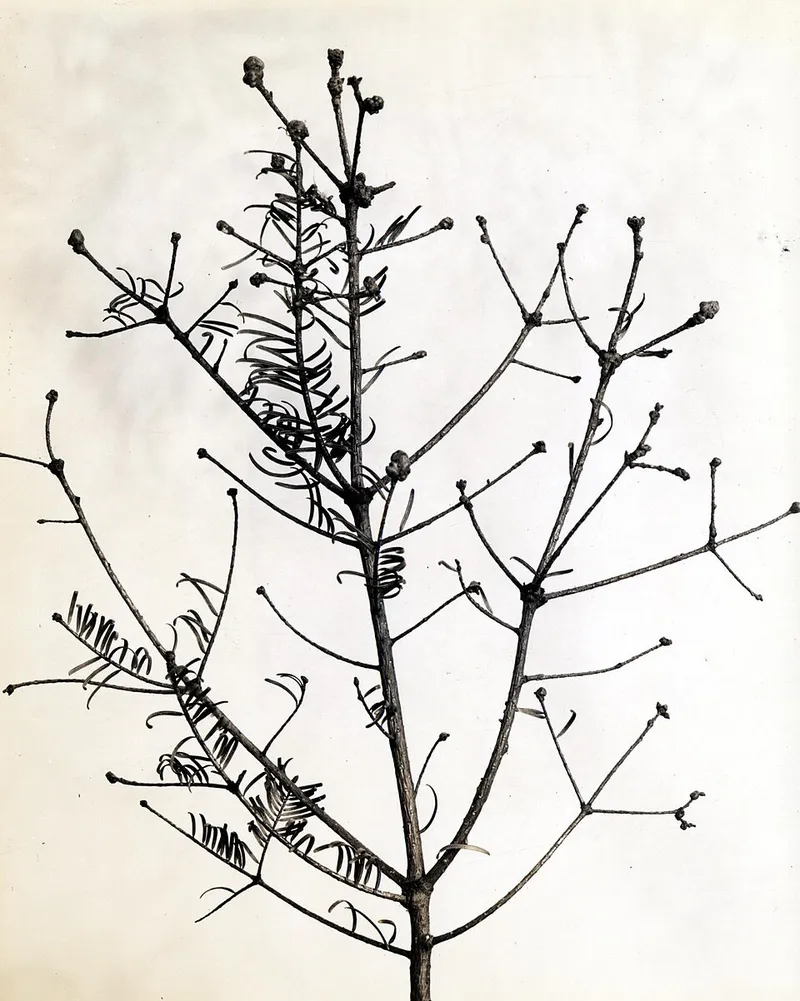
Damage signs: H- or Y-shaped galleries visible when bark is removed. Small, round entrance holes (2-3 mm) with reddish boring dust and small pitch tubes, less pronounced than southern pine beetle pitch tubes. Fading crown (yellow to red) appearing 4-6 weeks after initial attack. Frequently attacks the upper crown first on living trees, progressing downward, in contrast to southern pine beetle which attacks mid-trunk. Blue-stain fungus visible in sapwood.
Treatment window: Prevention through tree vigor management. Treating freshly cut pine slash or storm debris within 2-4 weeks of cutting eliminates breeding material before adults emerge.
UT-recommended approach: Remove and chip or debark downed pine wood promptly after storm events, slash left on-site through May to August drives population increases that spill over to nearby living pines. For high-value specimen pines, maintain soil moisture and avoid compaction and root zone damage. Preventive permethrin or bifenthrin bark treatments may be applied to adjacent at-risk pines when active infestations are confirmed nearby.
Quick Facts
- Common Name
- IPS Bark Beetle
- Scientific Name
- N/A
- Category
- Landscape Pest
- Region
- Middle Tennessee