About Green Peach Aphid
Green Peach Aphid (Myzus persicae)
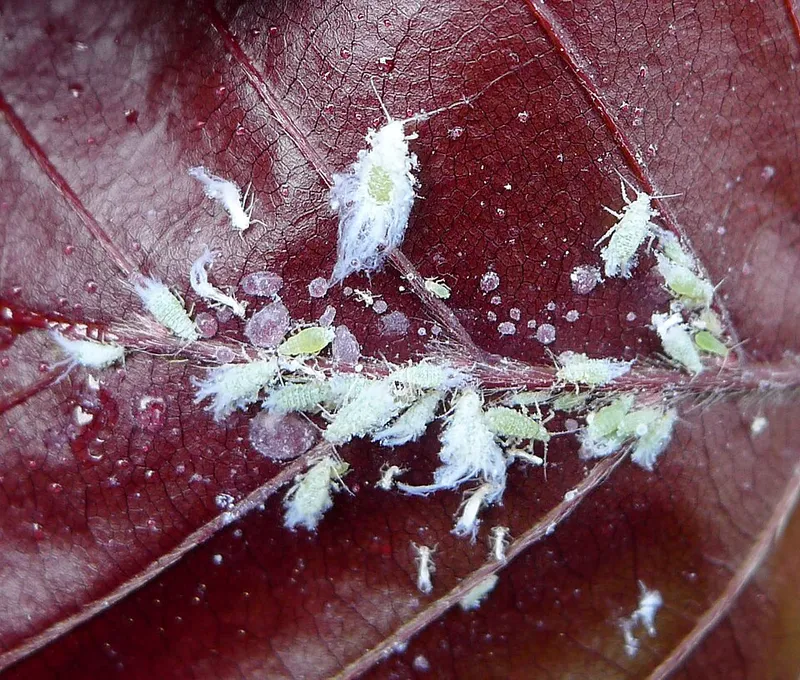
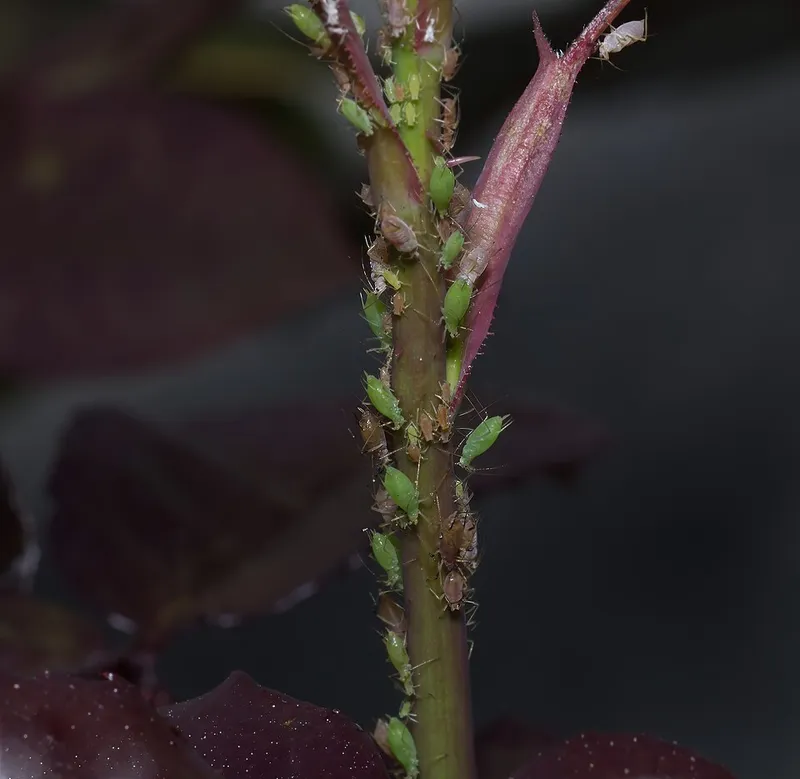
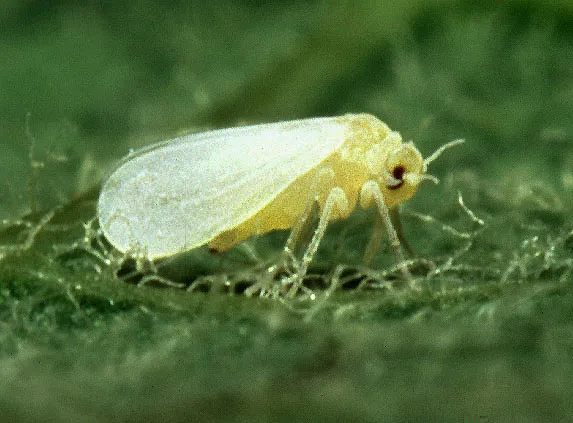
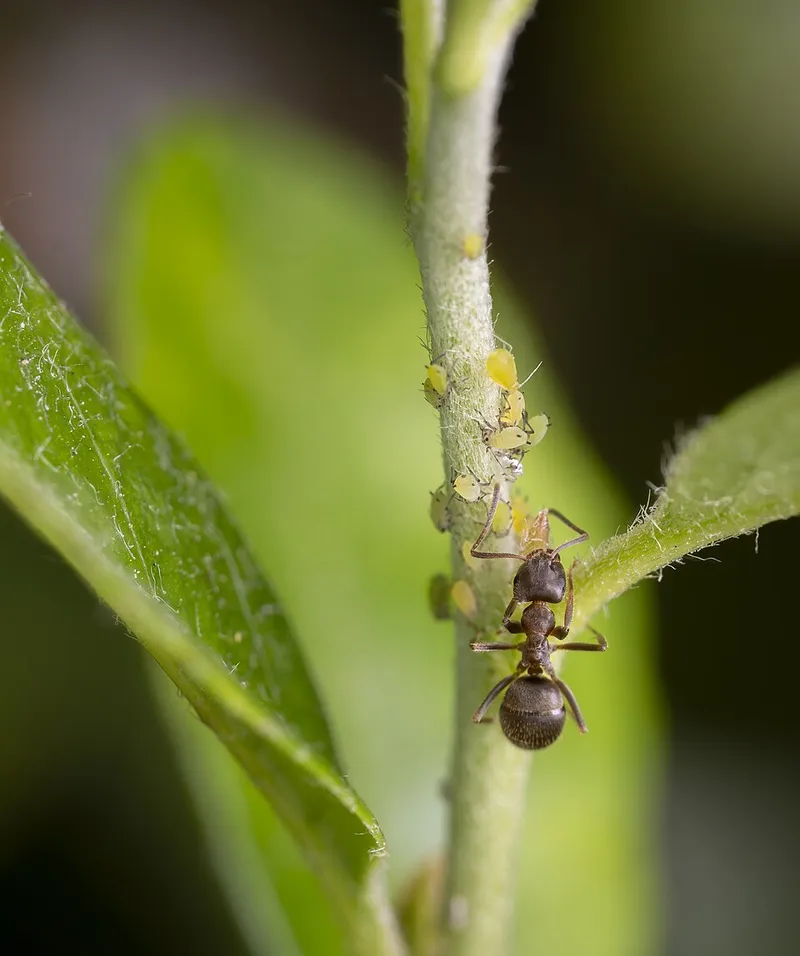
Identification: Adults 1.5-2.5 mm, pale yellow-green to pink, with a characteristic dark patch on the dorsal abdomen. Winged forms are darker with a black dorsal patch. Cornicles (tail-pipe structures at the abdomen tip) are distinctly swollen at the base, this cornicle shape distinguishes Myzus persicae from other common aphid species on similar hosts. A highly polyphagous pest feeding on peach, plum, cherry, roses, ornamental peppers, and hundreds of herbaceous ornamentals; also the primary vector of over 100 plant viruses.
Life cycle: Overwintered eggs on peach and cherry primary hosts hatch in spring; several wingless generations of Myzus persicae build on the primary host before winged females migrate to secondary herbaceous hosts in late spring. Colonies on ornamentals build through summer with 10-15 generations possible. Populations are regulated by natural enemies (parasitoid wasps, lady beetles, syrphid fly larvae) in undisturbed landscapes; heavy-handed broad-spectrum insecticide programs consistently eliminate these natural enemies and cause secondary aphid outbreaks.
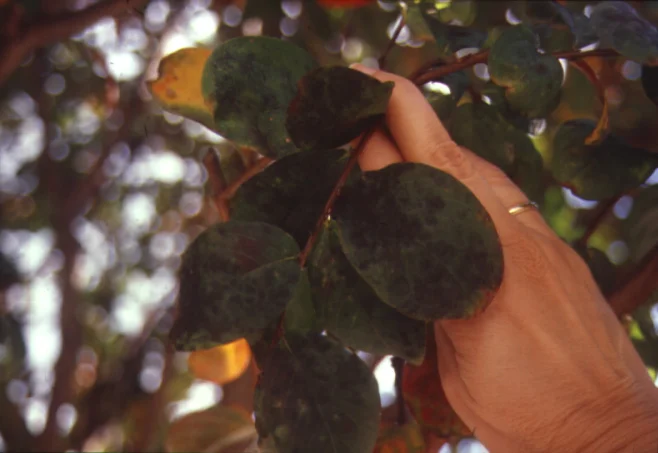
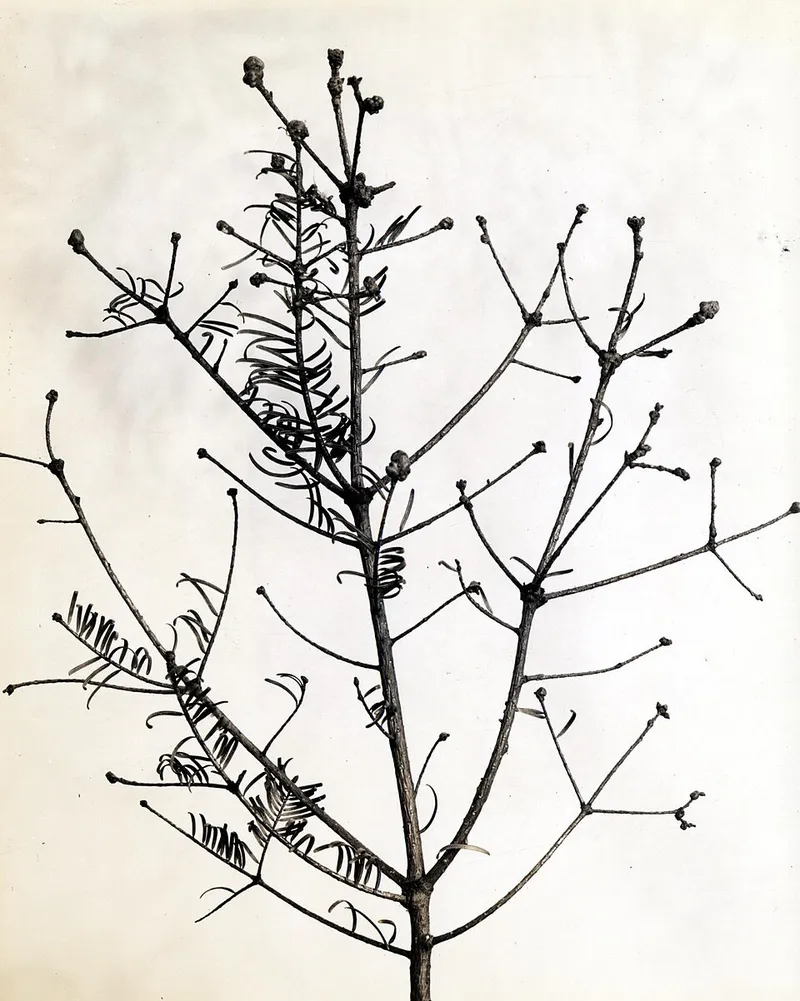
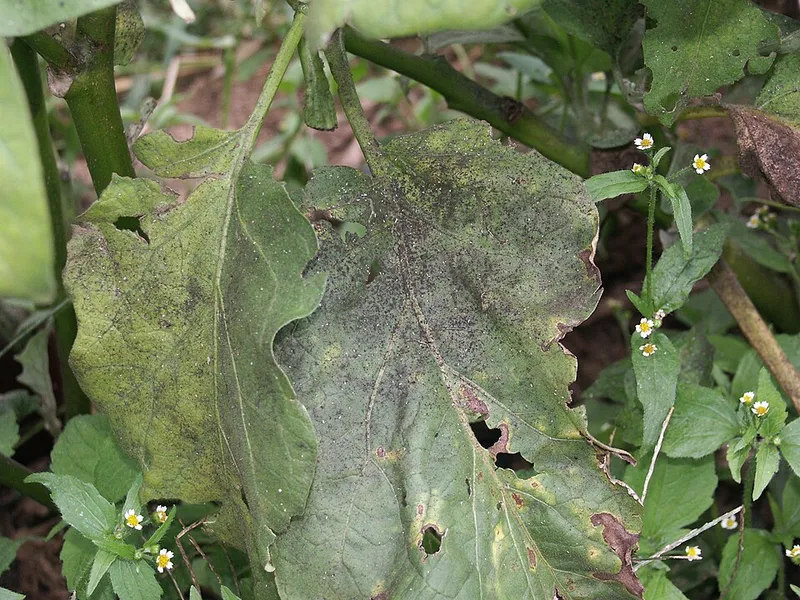
Damage signs: Curled, distorted new growth from feeding on apical meristems; yellowing leaves; honeydew deposits promoting sooty mold on foliage below colonies. Winged forms migrate, spreading virus to ornamentals and vegetable crops. On roses and ornamental peppers in Middle Tennessee, Myzus persicae infestations in April-May can rapidly stunt new growth before natural enemy populations establish. The virus vectoring capacity makes early-season management on primary stone-fruit hosts more important than cosmetic aphid counts alone suggest.
Treatment window: Early spring on peach and cherry primary hosts at egg hatch, before winged migrants establish on secondary hosts. On herbaceous ornamentals, treat when colonies appear on new growth in May-June.
UT-recommended approach: Insecticidal soap or horticultural oil applied directly to colonies on new growth is effective and preserves natural enemies. Systemic imidacloprid soil drench on woody peach and cherry hosts provides residual protection through the primary Myzus persicae population period. Avoid pyrethroids on roses and ornamentals in bloom, they eliminate parasitoid wasps that provide ongoing population suppression.
Quick Facts
- Common Name
- Green Peach Aphid
- Scientific Name
- Myzus persicae
- Category
- Landscape Pest
- Region
- Middle Tennessee