About Brown Soft Scale
Brown Soft Scale (Coccus hesperidum)
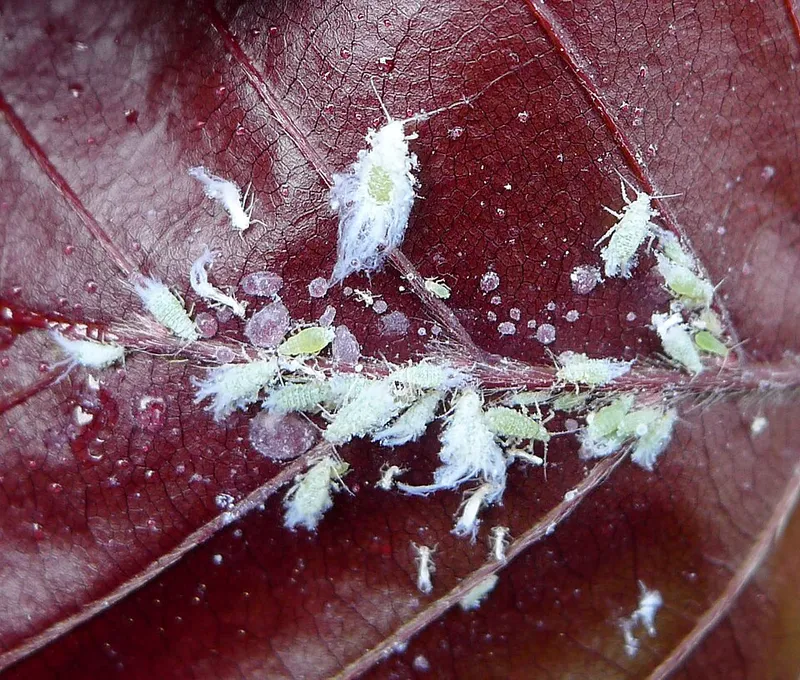
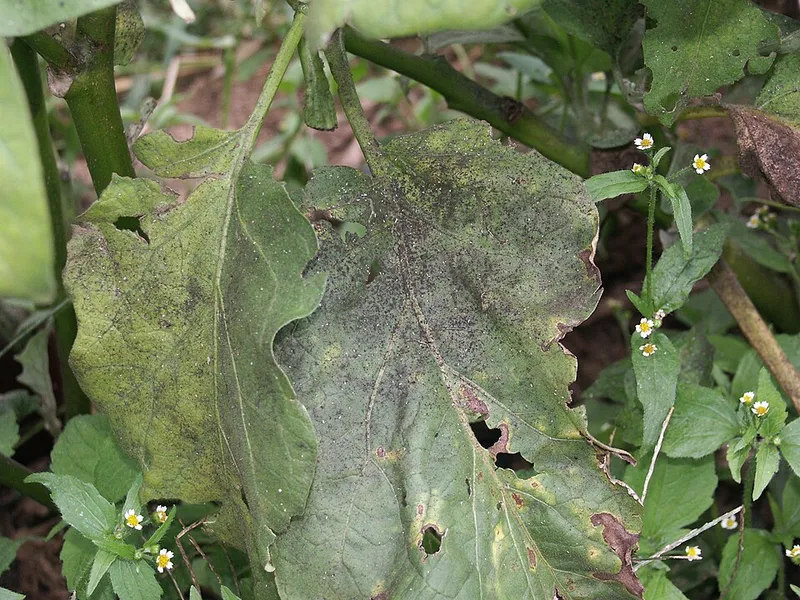
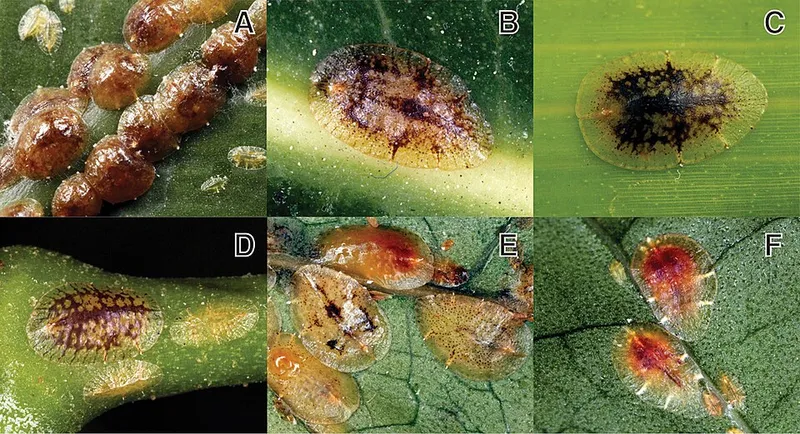
Identification: Adult females are 3-4 mm, oval, flattened, yellowish-brown to brown with a smooth, soft waxy cover, the scale body itself is the protective covering, distinguishing soft scales from armored scales which have a separate detachable cover. Nymphs (crawlers) are pale yellow and mobile. Heavy infestations on stems and leaf midribs produce a brown, encrusted appearance. Hosts include hollies, camellias, figs, ferns, orchids, and a wide range of ornamental woody and herbaceous plants. Honeydew production is copious, promoting heavy sooty mold.
Life cycle: Two to three generations per year in Tennessee. Overwinters as immature females on stems and twigs of woody hosts. Crawler emergence occurs in spring and again in midsummer; crawlers are the primary dispersal stage and the most susceptible period for contact insecticide treatments. After settling, nymphs insert stylets into the phloem and become sessile. Populations build continuously through summer in Tennessee's warm, humid climate, and brown soft scale often persists year-round on indoor and greenhouse plants.
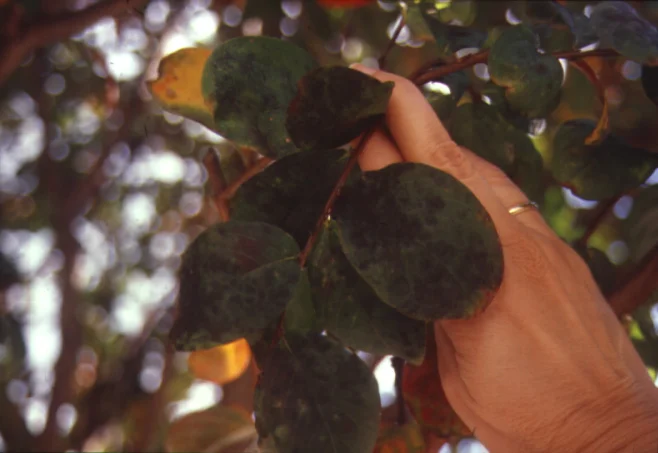
Damage signs: Yellowing, chlorotic foliage; premature leaf and shoot drop; reduced plant vigor from continuous phloem feeding. Heavy sooty mold growth on leaves and surfaces beneath infested branches from honeydew deposits, this black, powdery mold is often the first thing homeowners notice. Infested stems have a brown, bumpy texture from the accumulated scale bodies. On hollies and camellias, which are ubiquitous in Middle Tennessee foundation plantings, brown soft scale can cause significant aesthetic decline over multiple seasons if left unmanaged.
Treatment window: At crawler emergence in late May to early June and again in late July to August for subsequent generations. Dormant season horticultural oil applied in late February targets overwintering immatures on stems before spring crawlers emerge.
UT-recommended approach: Horticultural oil at crawler emergence is the most effective and least disruptive control, killing crawlers and settled nymphs on contact. Systemic imidacloprid soil drench in early spring provides residual control through the crawler periods on woody landscape plants. Remove sooty mold with a damp cloth or horticultural oil spray on accessible foliage once the scale population is controlled.
Quick Facts
- Common Name
- Brown Soft Scale
- Scientific Name
- Coccus hesperidum
- Category
- Landscape Pest
- Region
- Middle Tennessee