About ferns
Ferns (Polypodiopsida)
Moisture, light, and soil requirements vary widely by genus and species; most landscape ferns prefer part shade to full shade with consistent moisture and humus-rich soil; pH tolerance ranges from moderately acid to neutral depending on species.
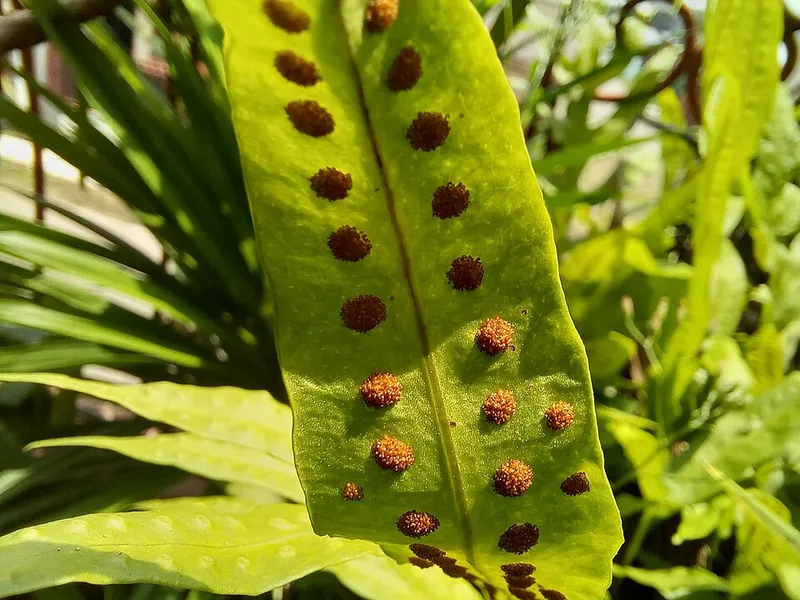
Height ranges from 6 inches (small woodland species) to 6+ feet (Osmunda spp.); ferns reproduce by spores rather than seeds; most ornamental species spread by rhizome to form clumps or colonies.
Native region: Numerous fern species are native statewide in Tennessee; distribution varies by habitat, moist woodland species are concentrated in Middle and East Tennessee, with some species endemic to the Cumberland Plateau and Ridge and Valley provinces.
Tennessee supports over 80 native fern species spanning a range of habitats. For Middle Tennessee landscapes, the most practical native ferns for shade gardens in clay soils are Polystichum acrostichoides (Christmas Fern, drought-tolerant and evergreen), Dryopteris marginalis (Marginal Woodfern, semi-evergreen, clay-adaptable), and Osmunda cinnamomea (Cinnamon Fern, for consistently moist sites). Onoclea sensibilis (Sensitive Fern) suits wet problem areas but spreads aggressively. Non-native ornamental ferns such as Japanese Painted Fern (Athyrium niponicum) and Autumn Fern (Dryopteris erythrosora) also perform reliably in the Zone 6b/7a transition zone. Ferns generally establish fastest when planted in spring with consistent moisture during the first growing season.
Quick Facts
- Common Name
- ferns
- Scientific Name
- Polypodiopsida
- Plant Type
- Perennial
- Region
- Middle Tennessee