About Balsam Woolly Adelgid
Balsam Woolly Adelgid
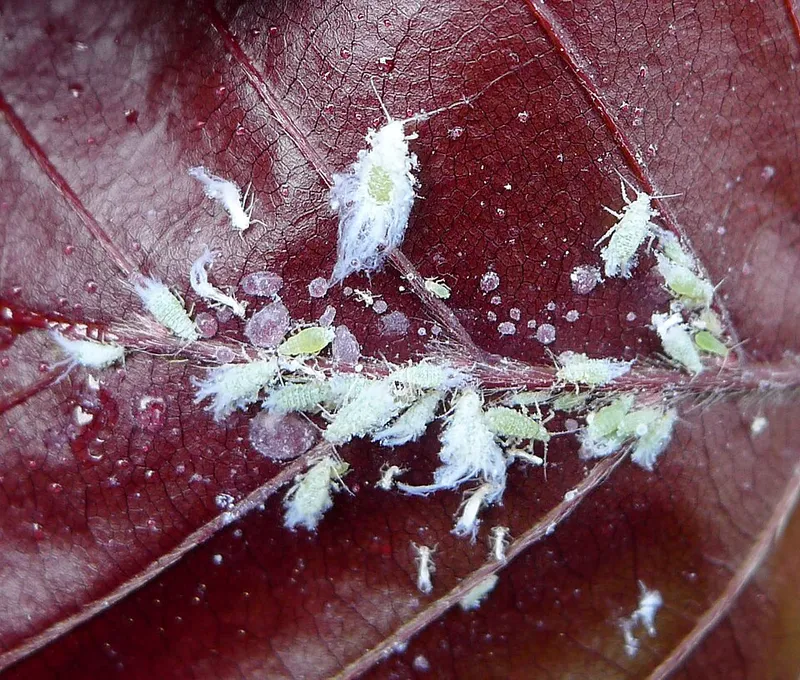
Identification: Adelges piceae · wingless, 0.5-1 mm, entirely sessile as adults. Found at the base of true fir (Abies spp.) needles and in bark crevices on stems. Like hemlock woolly adelgid, adults produce white woolly egg sacs visible on bark; stem-infesting populations produce a characteristic gout (swelling) of infested nodes. Host-specific to Abies spp. does not attack spruce, hemlock, or pine.
Life cycle: One to two generations per year. Overwinters as first-instar crawlers on bark. In Tennessee, the stem-infesting (gouting) population is most damaging; needle-infesting populations also occur on foliage. Crawlers emerge in spring and early summer and are dispersed by wind, birds, and mammals.
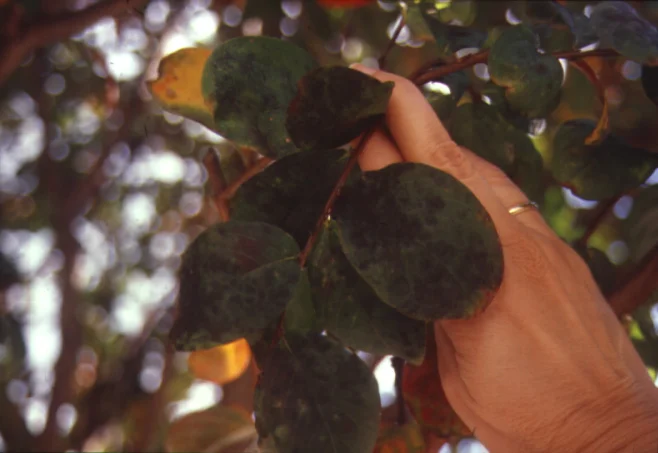
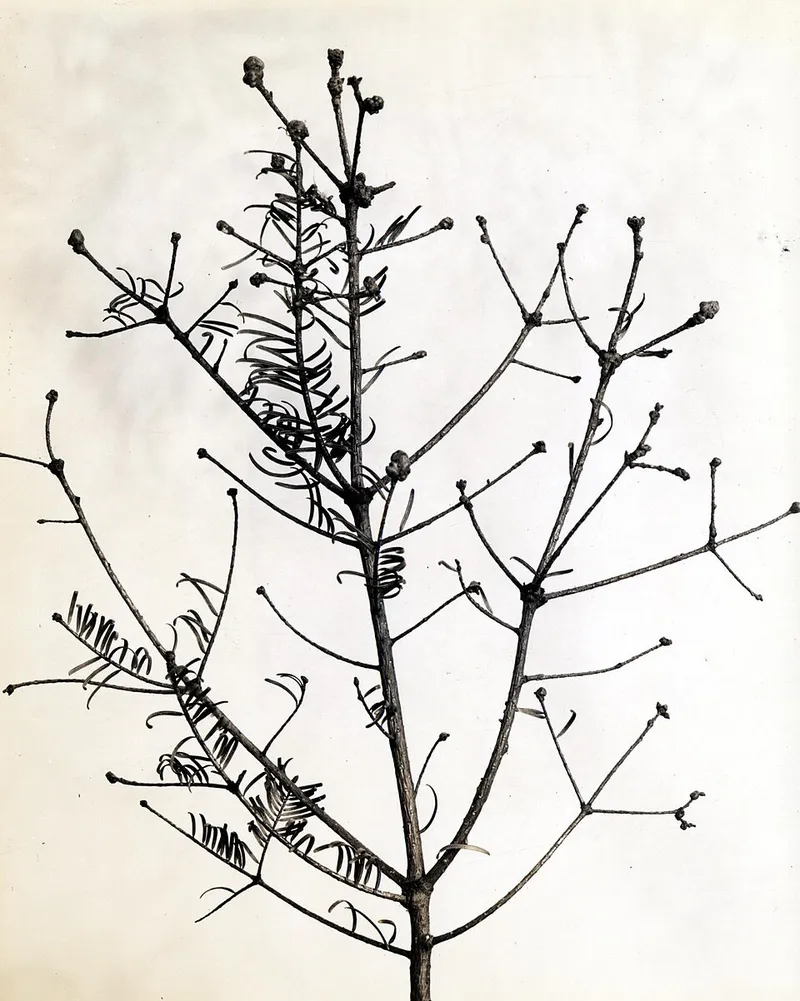
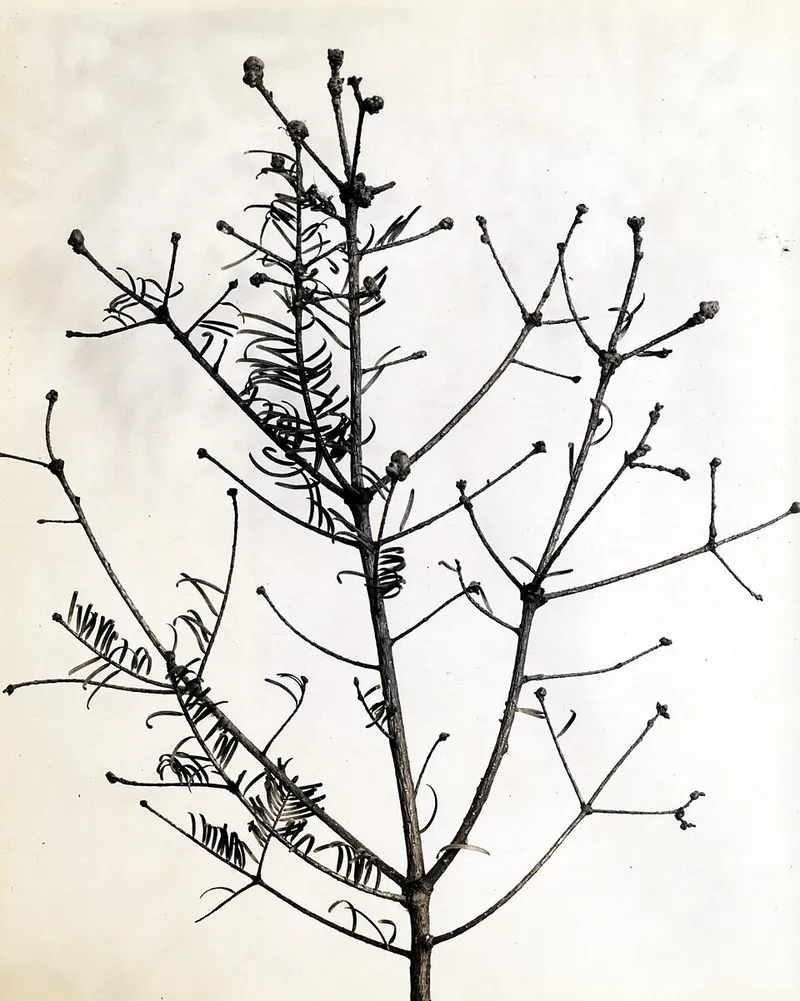
Damage signs: Two distinct damage types: (1) Gouting, stem nodes swell abnormally, restricting sap flow and causing branch dieback above the affected node. (2) Decline of crown vigor in heavy infestations, with thinning foliage and early needle drop. Fraser fir (Abies fraseri), endemic to Southern Appalachian high elevations, is extremely susceptible; landscape firs in Middle Tennessee are primarily at risk when planted in warmer, lower-elevation conditions that stress the tree.
Treatment window: At crawler emergence in late April through May, and a second opportunity in late June for any second-generation crawlers.
UT-recommended approach: Insecticidal soap or summer-weight horticultural oil directed at infested bark and needle bases at crawler emergence. Systemic imidacloprid soil drench provides uptake-based control but acts more slowly than on hemlock woolly adelgid. Avoid planting Abies fraseri in low-elevation heat-stressed sites in the Columbia, TN area, heat-stressed trees are far more susceptible to adelgid damage than well-sited specimens.
Quick Facts
- Common Name
- Balsam Woolly Adelgid
- Scientific Name
- N/A
- Category
- Landscape Pest
- Region
- Middle Tennessee