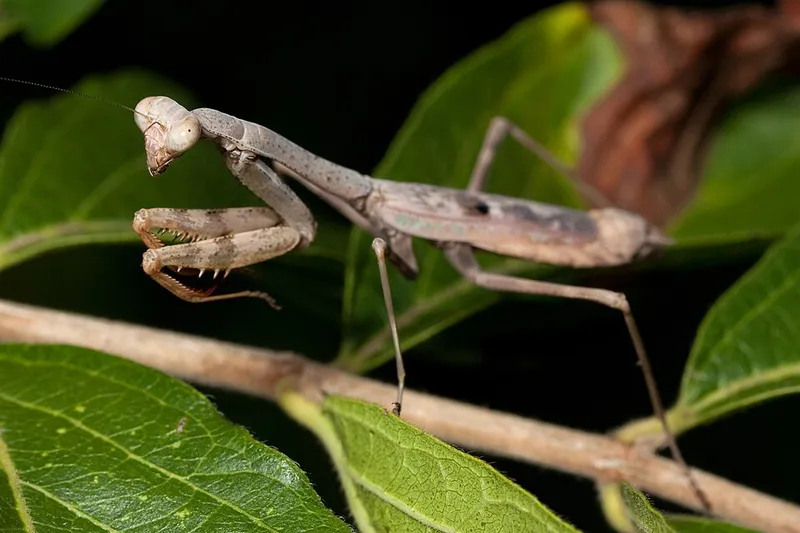
About Praying Mantis
Praying Mantis (Stagmomantis carolina)
Carolina Mantid, Carolina Mantis
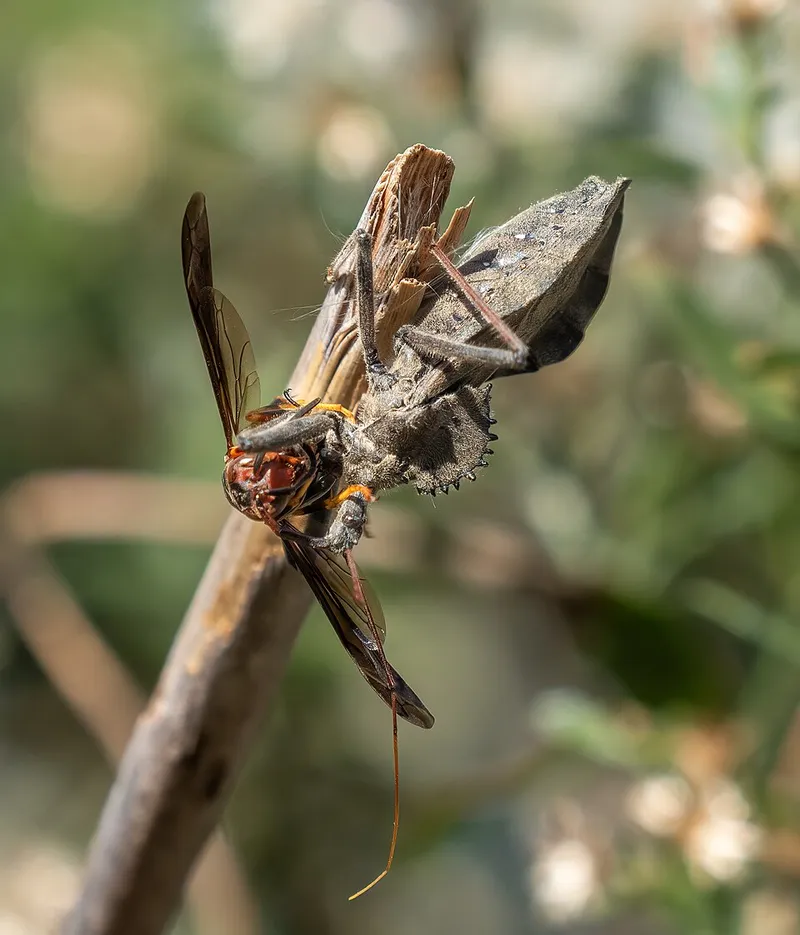
Found in gardens, meadow edges, tall grasses, and ornamental shrub plantings; most visible as adults in late summer and fall; eggs overwinter in papery oothecae attached to stems or fence posts.
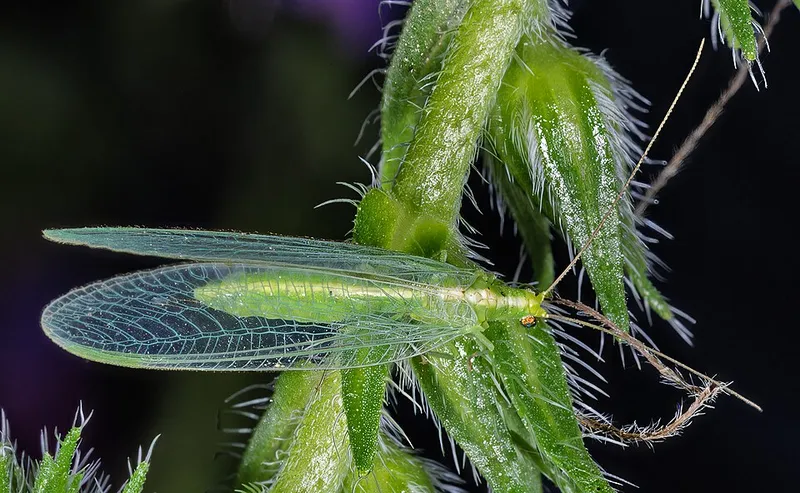
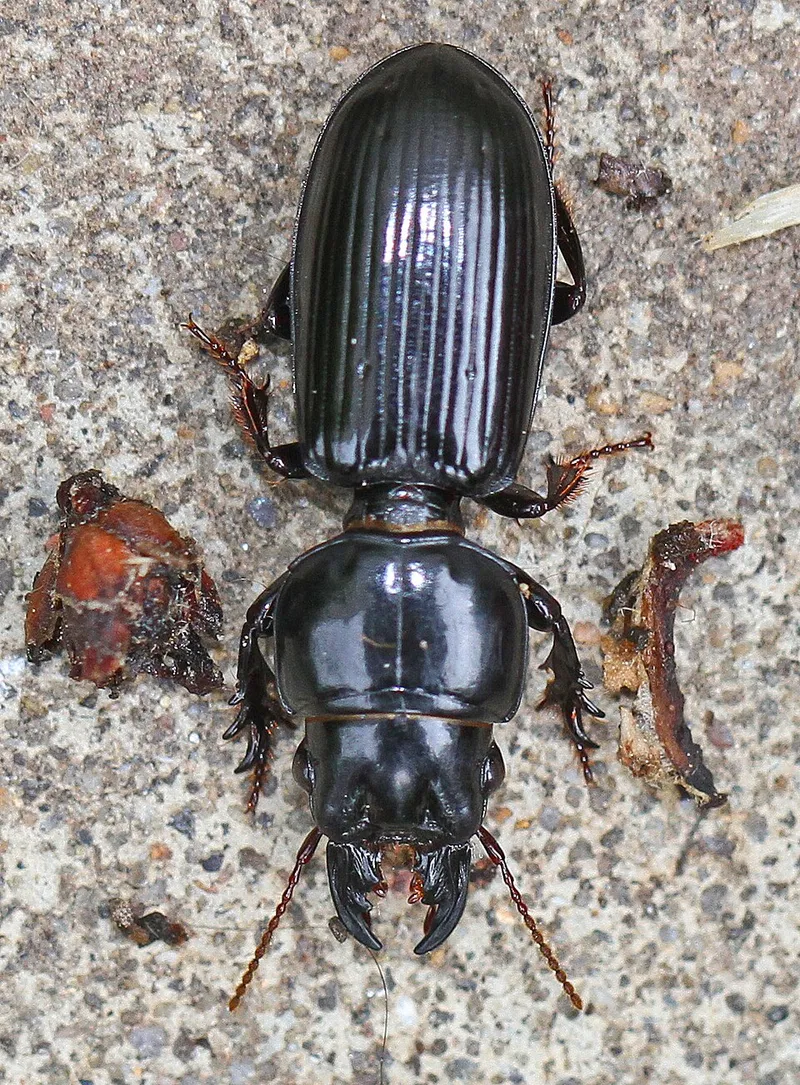
Stagmomantis carolina is the native mantid of Middle Tennessee, distinct from the introduced Chinese mantis (Tenodera sinensis) by its smaller size (1.5-2.5 inches vs. 3-4 inches) and brown or gray camouflage coloration that blends with dried grass and woody stems. The raptorial forelegs snap at speeds of 50-90 milliseconds. Generalist predators: adults capture grasshoppers, crickets, caterpillars, beetles, and large flies; larger individuals take spiders and small vertebrates. Egg cases (oothecae) are tan, papery, 0.75-1 inch, flattened-oval, and attached horizontally to stems.
Native region: Stagmomantis carolina occurs throughout Tennessee, most common in the central basin and I-65 corridor; less common in higher elevations of East Tennessee.
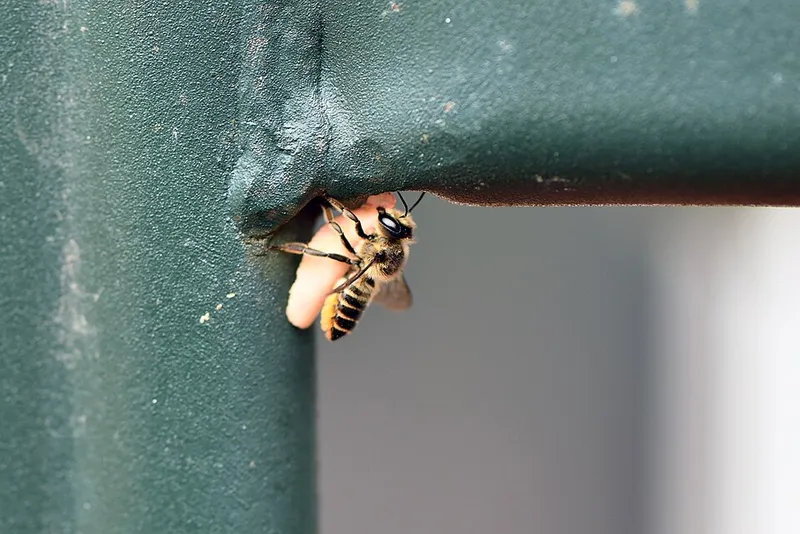
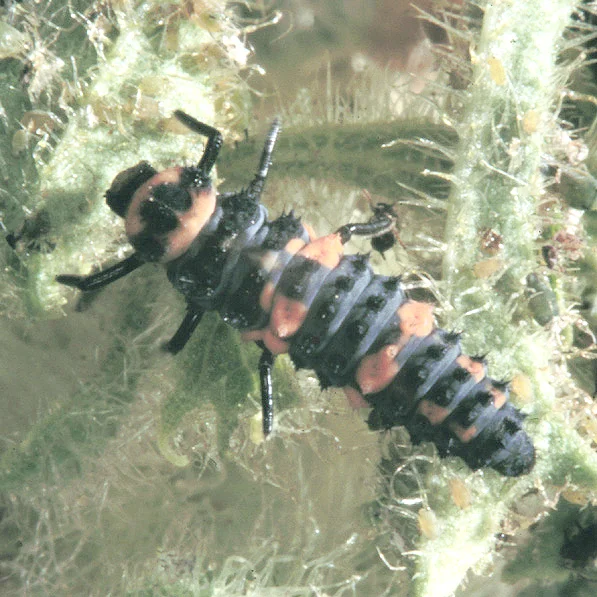
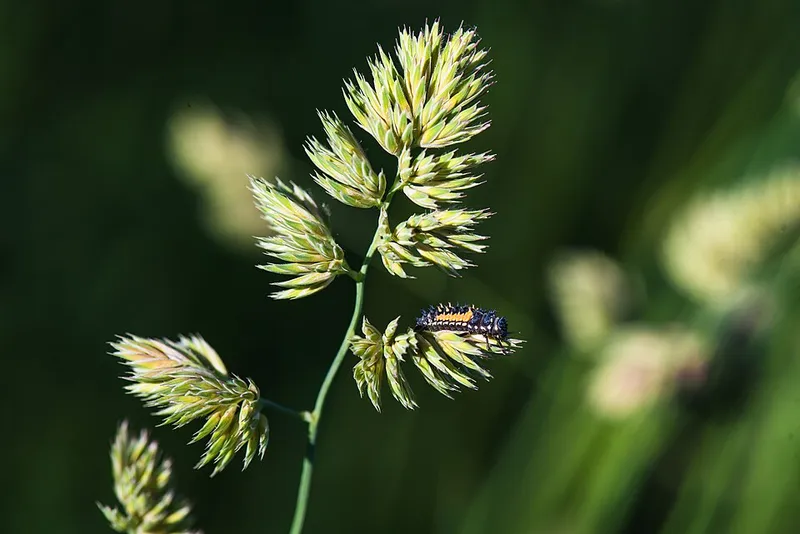
Stagmomantis carolina is an opportunistic predator that takes both pest and beneficial insects indiscriminately, it will eat honey bees, lady beetles, and small wasps as readily as caterpillars and grasshoppers. This makes it a broadly useful generalist rather than a targeted biocontrol agent. Oothecae attached to dormant shrubs and ornamental grasses in fall and winter should be left in place, a single egg case can hatch 50-200 nymphs in April or May. Avoid broad-spectrum pyrethroid applications on the vegetation where adults are foraging from August through first frost.
Quick Facts
- Common Name
- Praying Mantis
- Scientific Name
- Stagmomantis carolina
- Category
- Beneficial Insect
- Region
- Middle Tennessee