About Damsel Bug
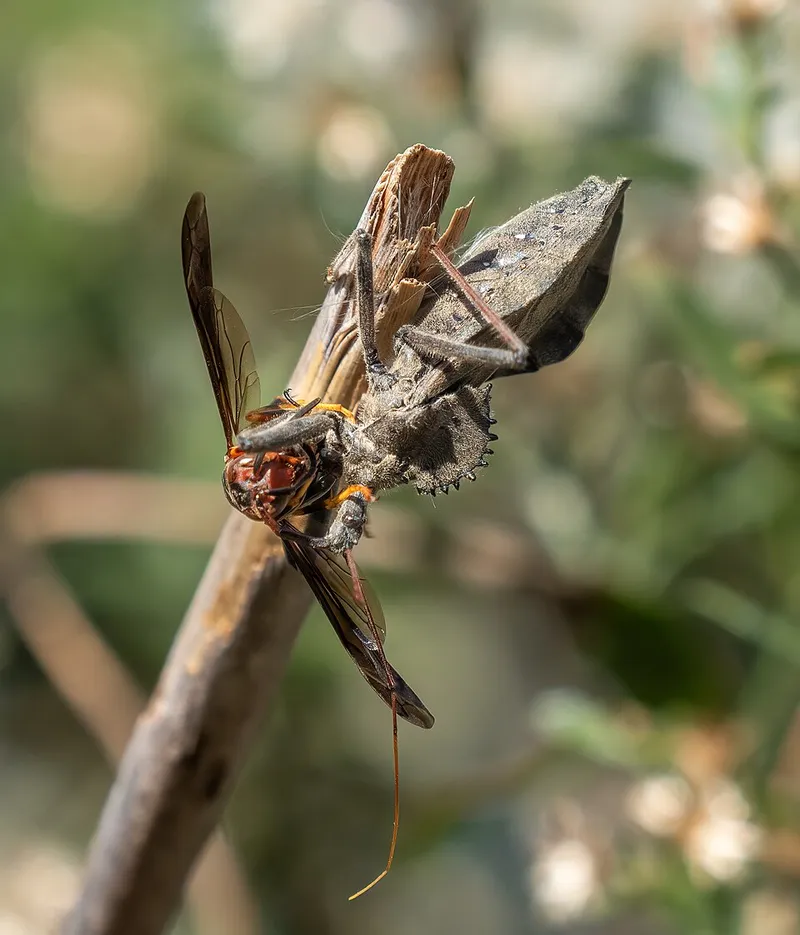
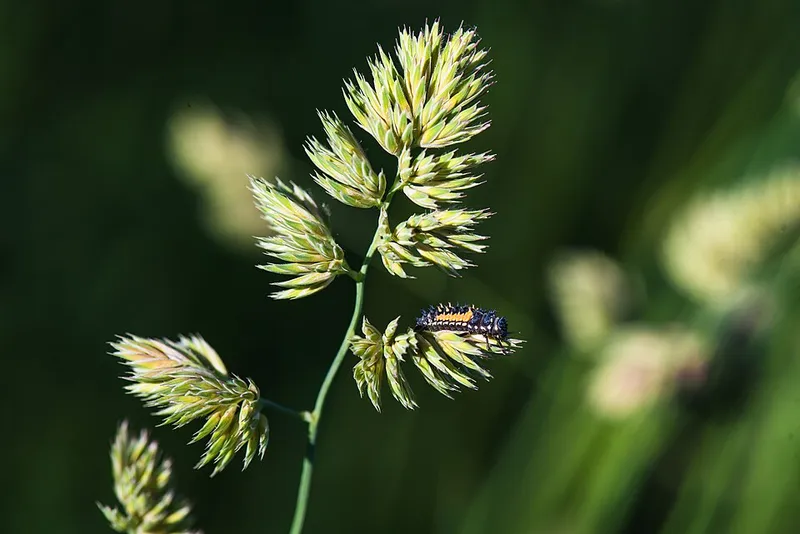
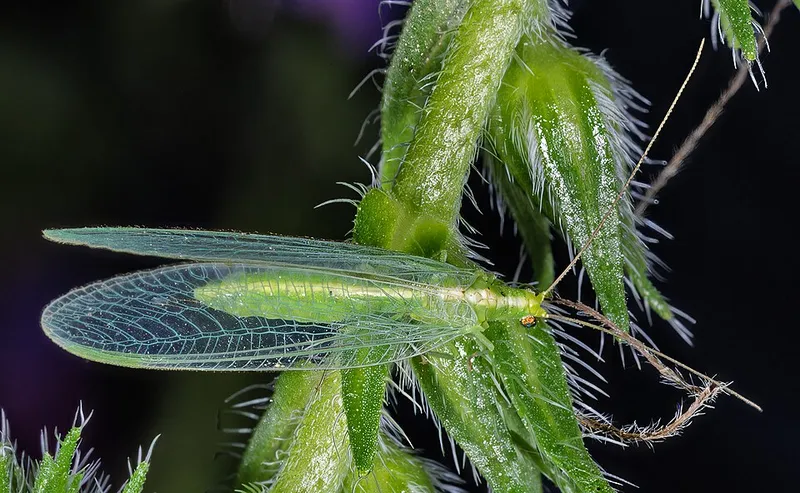
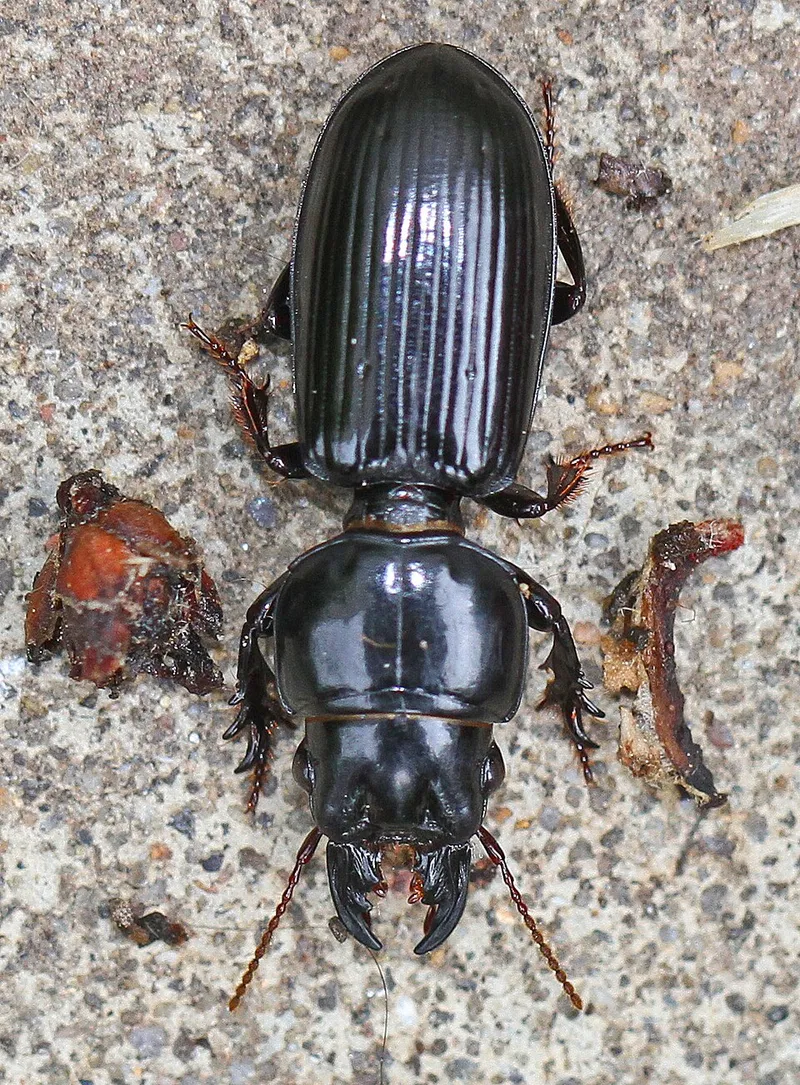
Damsel Bug (Nabis americoferus)
Common Damsel Bug
Inhabits turf, low ground cover, alfalfa, and herbaceous garden beds; most active in summer through early fall; moves rapidly through vegetation canopy hunting prey.
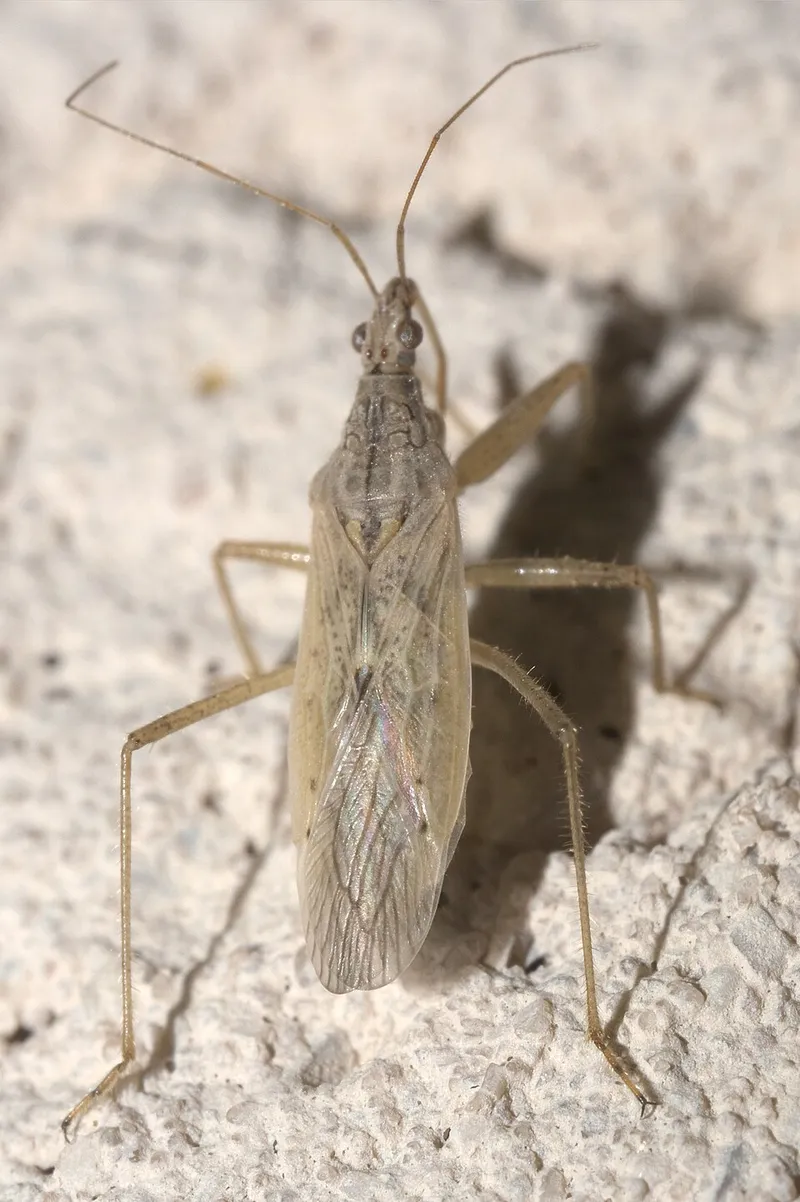
Nabis americoferus adults are 0.3-0.4 inches, slender, dull tan-brown, with a narrow head and grasping forelegs. Both nymphs and adults are predators, using a short, stout beak to pierce and paralyze prey: aphids, small caterpillars, thrips, leafhoppers, and spider mites. This species is one of the most abundant generalist predators in turf and low-growing vegetation across the eastern United States, with populations capable of reaching several adults per square yard in undisturbed turf.
Native region: Nabis americoferus occurs throughout Tennessee in maintained turf, roadsides, and herbaceous vegetation.
In Middle Tennessee lawns, damsel bugs are a front-line predator of fall armyworm egg masses and early-instar larvae before the larvae descend into the thatch zone. Because they hunt within the grass canopy rather than in soil, they are directly exposed to foliar insecticide applications. Pyrethroid broadcast sprays for armyworm control eliminate damsel bug populations at the same time, a tradeoff that shortens the effective residual control window by removing the biological pressure that follows chemical knockdown. Where armyworm pressure is light to moderate, tolerating the natural predator community for 7-10 days before treating can significantly reduce the need for repeat applications.
Quick Facts
- Common Name
- Damsel Bug
- Scientific Name
- Nabis americoferus
- Category
- Beneficial Insect
- Region
- Middle Tennessee