
A.W.
Eagleville, TN
Positive - Responsiveness, Quality, Professionalism.
View on GoogleRutherford/Williamson County · Lawn Aeration & Seeding
Professional lawn aeration & seeding for Eagleville homeowners, delivered by Middle Tennessee's UT Certified lawn treatment specialists.
Eagleville is the far eastern end of my route, past where Williamson County hands off to Rutherford, and it is the only town I serve where people buy a whole hill and put the house on top of it.
That one habit sets the agenda for everything I do out here. A hilltop lawn takes full sun from first light to last, wind that never quits, and slopes that shed a rain before the soil has finished drinking it. It is also farm country, which means the seed within easy reach is farm seed, and Kentucky 31 off a supply store shelf is where most of the lawn trouble I find in Eagleville actually started. Fall is when both of those get corrected, and the correction comes down to what is in the bag and what week it goes down.
01
Fescue gets called a bunch grass, and that is not quite right. Festuca arundinacea does put out rhizomes. They are short, they travel less the shorter you mow, and a fescue plant effectively holds the spot its seed landed on. So when heat stress and brown patch pull plants out of a slope in July, the survivors do not creep over and close the hole. The lawn keeps that gap until somebody puts a seed in it. That is the entire service, and a lawn on top of a hill needs it more often than one sheltered in a subdivision.
02
Almost everybody here waits for October, and October is behind the curve.
A grass seed carries its own food supply, and a seedling spends that before it takes anything from the world around it. Seal a fescue seed in a damp paper towel inside a ziplock bag, leave it in a dark drawer, and it will still throw three or four inches of growth on the seed pod alone. The seed does not need the weather to cooperate on day one. It needs cooperation around week four, when that reserve is spent.
Time it backward. Seed sown the last week of August runs its reserve out as September and October turn favorable, so it spends the good stretch growing. Seed sown in October is still coming up while that stretch closes, which costs 3 to 6 weeks of growth and puts a younger plant into winter. UT Extension lands in the same place in PB 1576 and W 160-F, naming late August through mid September the preferred window and warning that late seedings leave immature plants vulnerable to cold. I made the case in why late August beats October for fescue seeding.
Fall is our dry season, which is what normally works against a seeding on ground that drains like these hills. The developing super El Nino should make this fall wetter than usual across Middle Tennessee, and that only pays off for seed already in the soil when the rain arrives. My read is in the super El Nino and Middle Tennessee lawns.
03
This is farm country, so the closest bag of grass seed to most Eagleville houses is Kentucky 31. It was the first tall fescue bred for yards and nothing about it has improved since. It scores at the bottom of NTEP for disease resistance, texture, quality, and color, and it is wide bladed, glossy, and genuinely sharp underfoot.
What costs people real money is the company it keeps. Cheap seed is cheap because the production field was not held to much of a standard, and weeds the grower cannot control get combined with the crop. Dallisgrass is the one I hate finding. Oregon's testing program treats it as other crop seed instead of a weed, a holdover from when it was grown there deliberately, so a bag is allowed more of it than you would guess. And it hides: sown in fall, invisible through spring, then coarse clumps across the yard the next July that take me three to five years to get out. Johnson grass arrives the same way. So does straw, which is why I will not use it as cover on a seeding, slope or no slope.
cores per square foot for effective cultivation
better establishment on open turf than broadcasting alone
growers and distributors worked through a year to build the blend
There is no pre-made blend I would put on your lawn. I choose cultivars one at a time from NTEP, the National Turfgrass Evaluation Program, where land-grant universities score them in outdoor plots on five-year cycles for disease resistance, drought tolerance, density, and seedling vigor. I read the trial sites whose conditions look most like ours.
04
The fescue component is three cultivars: Traverse 2 SRP, 4th Millennium SRP, and Triad. All three are named on UT Extension's list of statistically top-performing tall fescues for Tennessee (NTEP trials). The SRP on the first two marks the rhizome trait that closes small damage on its own, and both carry improved brown patch resistance and density. Triad is the darkest of the three and the one I count on for gray leaf spot resistance and recovery from traffic.
The bluegrass is Barvette HGT, and on a property like yours it is the cultivar I would talk about first. It comes out of Barenbrug's Healthy Grass Technology program, which stress-tests its material instead of selecting it under easy conditions, and it shows. It establishes faster than a Kentucky bluegrass has any business establishing. It spreads by rhizome and knits the stand together, which is the lateral repair no fescue manages on its own. And it persists through transition-zone summers rather than thinning out in its second one.
Certification decides whether any of that reaches your soil. White tag is on every bag by federal law and promises only an honest label. Blue tag means a university grew a sample out to confirm the cultivar. Gold tag, Sod Quality Certified, is my floor: six times the sample size, zero tolerance on noxious weed seed, field inspections through the season, and a third-party inspector at every transfer from harvest to the bag I open. I work through 70 to 80 growers a year to build a blend at that level.
05
Nobody aerates for an oak tree. The acorn drops, nothing digs it a hole, and the tree comes up anyway. Broadcast fescue across a yard and about 90 percent of it grows without help from me. I cannot run a business on 90 percent, because the 10 percent that fails is never random: the ground buried under leaf drop along a fencerow, the hot strip by the driveway where common Bermuda grass, Cynodon dactylon, has thrown a mat across the surface. On open turf the holes buy a modest 10 to 15 percent improvement over broadcasting alone. Through a Bermuda mat they decide whether seed lands on a plant or in dirt, and in my experience the gain runs 75 to 90 percent.
Pattern matters. I run parallel passes, then a second set crossing at 45 degrees rather than square, which makes a diamond and more holes per square foot than a 90-degree crossing. Seed falls from a metered drop seeder on the aerator, straight into open holes, instead of being thrown by a spinner into whatever wind the hilltop has that morning.
Compaction deserves a straight answer rather than the industry's. Core aeration does relieve compaction, and short of tearing the lawn out it is the only thing that does, but the relief is temporary because the holes close within weeks, and it takes density to register: K-State's threshold for effective cultivation is 15 to 30 cores per square foot, and one commercial pass gets about half of that. Honest compaction is also uncommon in a yard, since roots and freeze-thaw work against it year-round. The lawns that really have it are the ones where people keep pressing the same ground down, and those are worth a spring visit from the standalone core and liquid aeration service. In fall, the cores are here for the seed.
Liquid aeration is included and goes down with the cores. Its job is holding moisture in the top of the soil profile where the seed actually sits, during the weeks the seedling is still living on its own reserve. Be clear about what that buys: the seed comes up sooner, not in greater numbers. The percentage that germinates is the same either way. On a large lawn with no irrigation, which is most of what I seed here, sooner matters.
06
Rates are set per thousand square feet: six to seven pounds over a typical stand, up to ten on bare dirt or heavy Bermuda, as little as three where the lawn is already decent and you are only adding volume. Multiply any of those by an Eagleville lot and the number gets large, which makes the frequency question worth more here than on a quarter acre.
Frequency comes down to genetics. Old genetics in a transition-zone lawn want seed every single fall just to stay full. A stand rebuilt out of modern cultivars averages closer to one seeding every three years. New construction around Eagle View and Magnolia Valley starts on the wrong side of that split, because a builder seeds with contractor mix, cheap fescue cut with annual ryegrass, old genetics and some of the most contaminated seed on the market. Across several acres, moving off the annual clock and onto the three-year clock saves more than anything else in this service, and all it takes is the seed.
Which is why my sales pitch is one question, asked every August: do you have enough grass where you want grass? No means call me. Yes means keep your money this year, and if the treatment plan is working that answer should be yes more years than not. Anything I seed is guaranteed to germinate inside 30 days, and if a spot does not take I come back and redo it free.
I fit five or six seeding jobs into a day and Eagleville is a longer drive than my Columbia and Franklin stops, so the calendar fills from the front of the window
Middle Tennessee sits in the transition zone where both cool-season and warm-season grasses struggle. Fescue is the best choice for the region, but it requires annual overseeding to maintain density because it does not spread laterally like bermuda or zoysia. The summer heat stress common in the I-65 corridor thins fescue lawns every year, making fall overseeding an essential annual maintenance practice.
Get a customized lawn aeration & seeding plan for your Eagleville property.
Request a QuoteOr call (615) 490-4082★ UT Certified Lawn Care Professional
★ Tennessee Turfgrass Association Member
★ Turfgrass Water Conservation Alliance Member
★ Nextdoor Neighborhood Favorite
★ BBB A+ Accredited
The last week of August into mid September. UT Extension puts the preferred fescue window there too, in PB 1576 and W 160-F. Germination takes 5 days at the absolute fastest and 7 to 14 in an actual yard, and a new seedling burns through its seed pod reserve in about four weeks. Line those four weeks up with the arrival of good fall weather and the plant grows through the whole favorable stretch. Wait for October and you spend that stretch germinating instead. It is not that October fails. It is that the plant meets its first winter younger, and meets next July shallower.
Yes, and the scale is exactly why the seed choice matters. Rates run six to seven pounds per thousand square feet, so a large Eagleville lawn is a serious quantity of seed every time you do it. That is the argument for modern certified cultivars on a roughly three-year cycle instead of cheap seed on an annual one. I measure the actual turf area rather than eyeballing it, because a rate mistake is expensive in both directions. A visit generally runs two to three hours and the biggest properties take longer.
Two separate things. It is the oldest fescue cultivar in common use and it scores at the bottom of NTEP trials for disease resistance, texture, and color, so what grows is coarse, glossy, and prone to brown patch. Worse, the low price reflects loose weed control in the production fields, so the bag carries dallisgrass and Johnson grass along with the fescue. Those show up a full summer later, and dallisgrass takes me three to five years to remove. It is fine for pasture. As a lawn it puts you on an annual reseeding clock.
It can, if two things change. First, the cultivars have to be selected for drought and disease, which is why I weight those NTEP scores heaviest on exposed sites and why Barvette HGT is in the mix to knit the stand back together where it thins. Second, the seeding has to land in the late August to mid September window, because how a fescue plant handles July is largely decided by how established it got the previous fall. A stand seeded in late October goes into summer shallow-rooted and loses. The sun and wind on a hill never let up, but a mature stand of well-bred cultivars handles them.
No. Straw is one of the main ways dallisgrass, Johnson grass, and goosegrass get into lawns out here, because straw fields are not managed to seed-purity standards. You would be paying for gold tag certified seed and then covering it with contaminated mulch. The erosion worry on a slope is legitimate, but the answer is timing and technique instead: get the seed down early in the window so it roots before heavy fall rain, and let the aeration holes hold it in place. Straw trades a short-term worry for a five-year weed problem.
A.W.
Eagleville, TN
Positive - Responsiveness, Quality, Professionalism.
View on GoogleS.B.
Spring Hill, TN
AJ is wonderful. We are so happy that we chose him to do our yard. We now have carpet grass instead of weeds and dirt. After trying to create a carpet of grass for 14 years and failing, We hired AJ (Mr. Lawn). He tested… Read S.B.'s full review
View on GoogleT.O.
Lewisburg, TN
In just one year Mr Lawn has transformed my yard. I trust AJ with my yard. Here are before and after photos.
View on GoogleB.M.
Spring Hill, TN
Mr Lawn was hired to restore our lawn, killed by our previous service. He has been successful. His earth friendly quality products, personalized attention to the needs of our yard, knowledge (he will discuss the… Read B.M.'s full review
View on GoogleK.D.
Franklin, TN
A year ago our lawn was full of weeds and crabgrass. A.J. has done a wonderful job of restoring our lawn to a nice green beautiful lawn.
View on GoogleD.J.
Franklin, TN
As a former chemistry teacher and graduate of Clemson, I appreciate AJ's knowledge and information. I am able to give excellent aftercare by following his emailed instructions. Please sign up for one year and you will… Read D.J.'s full review
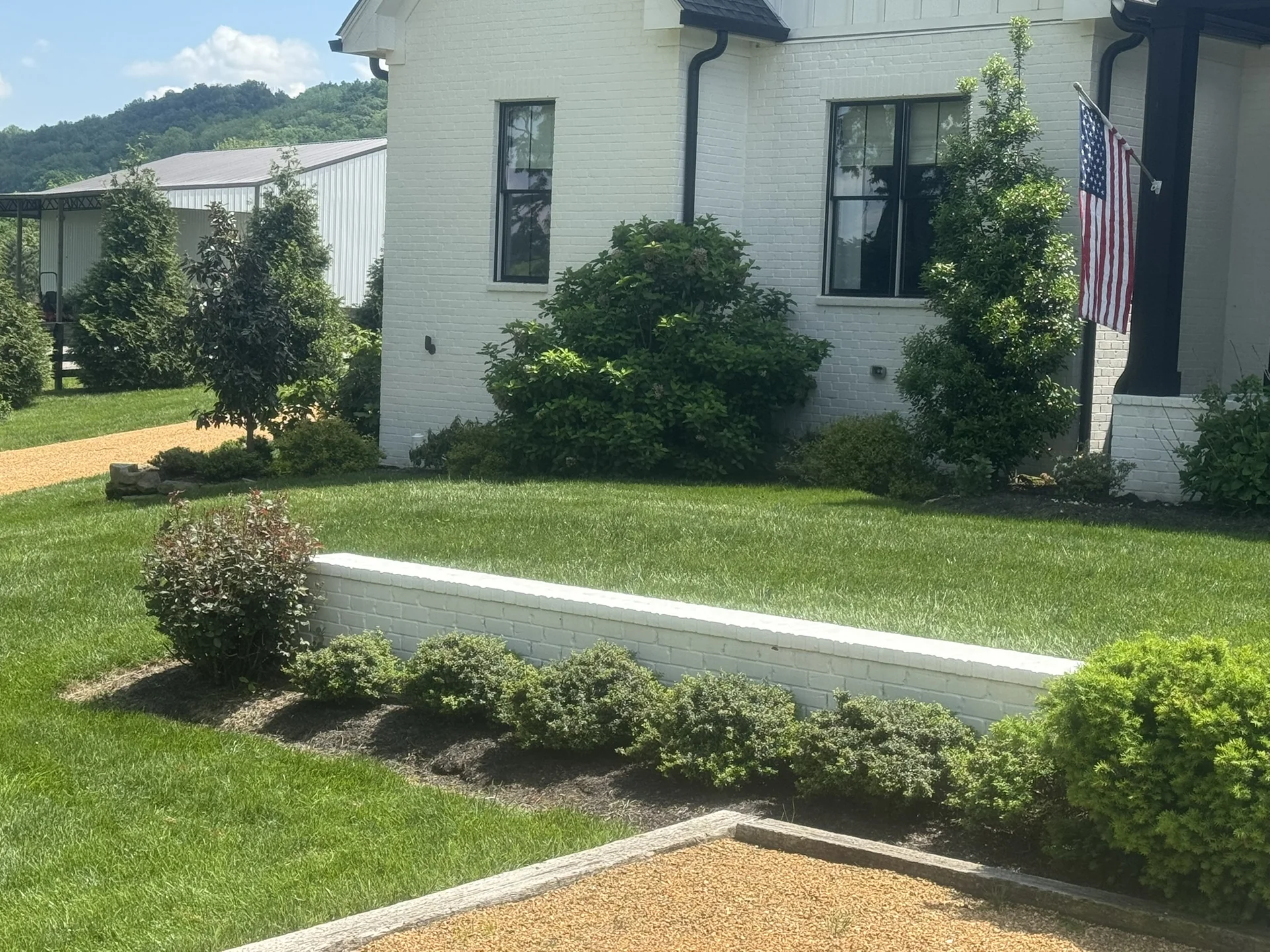
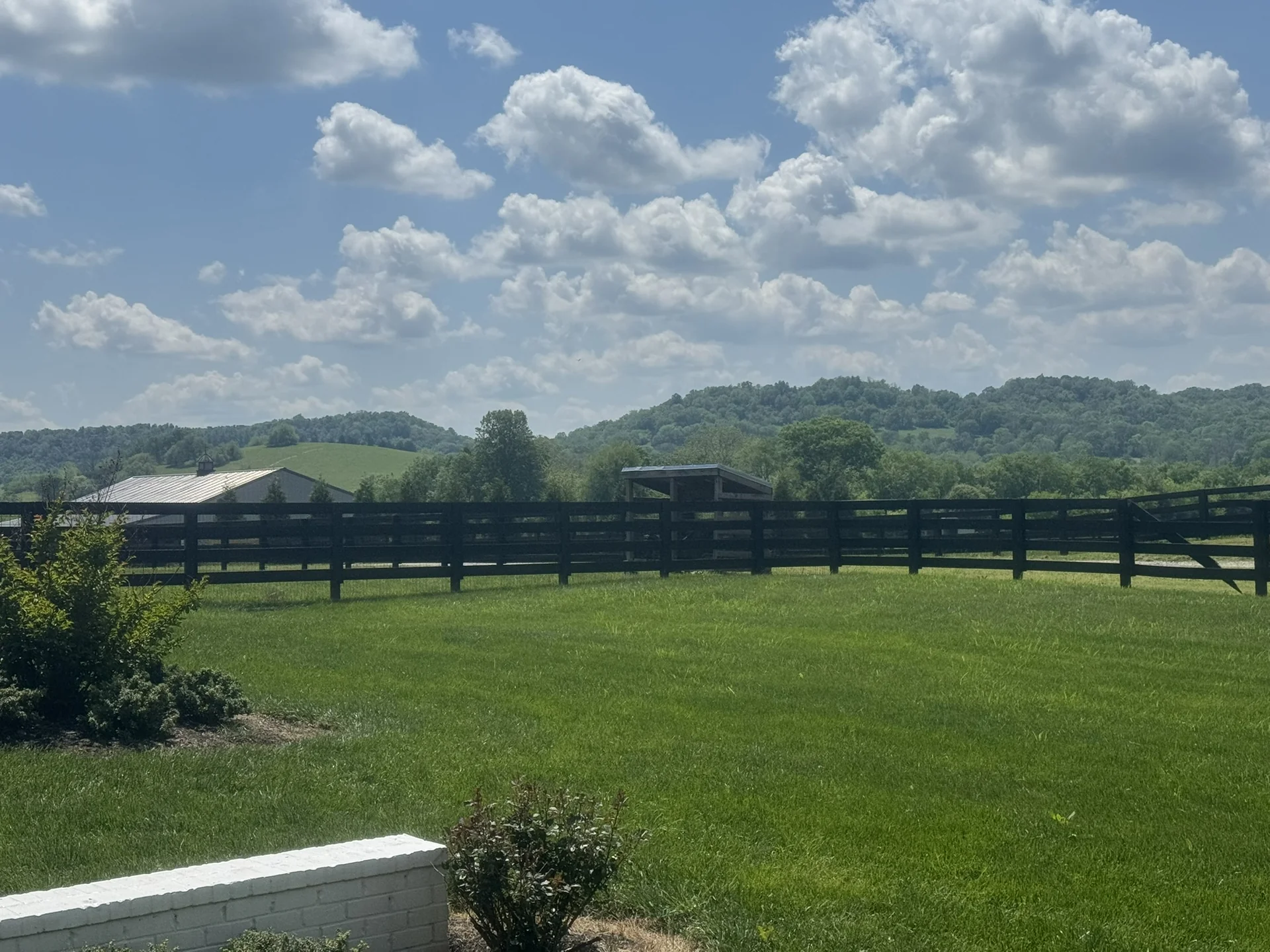
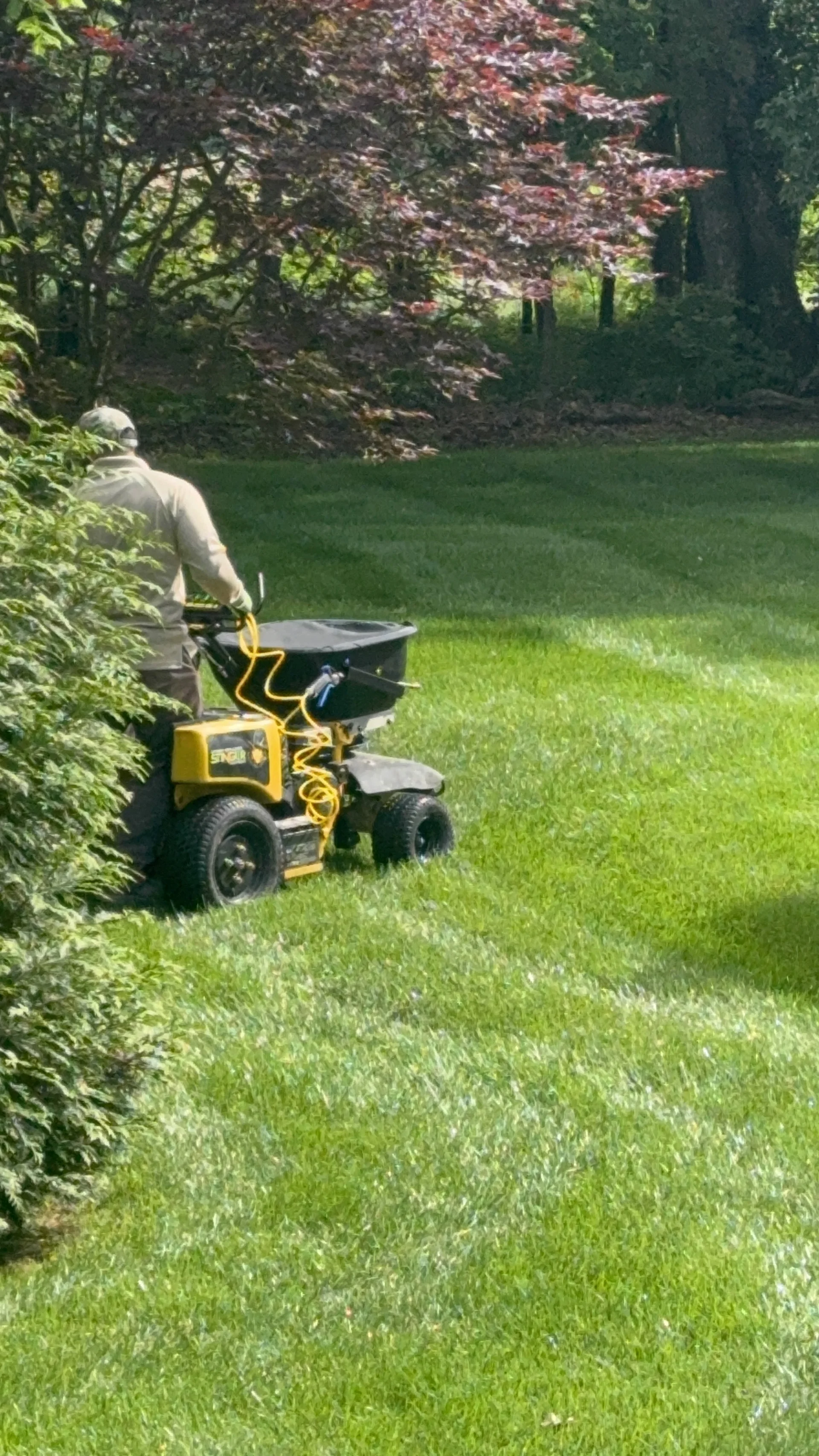
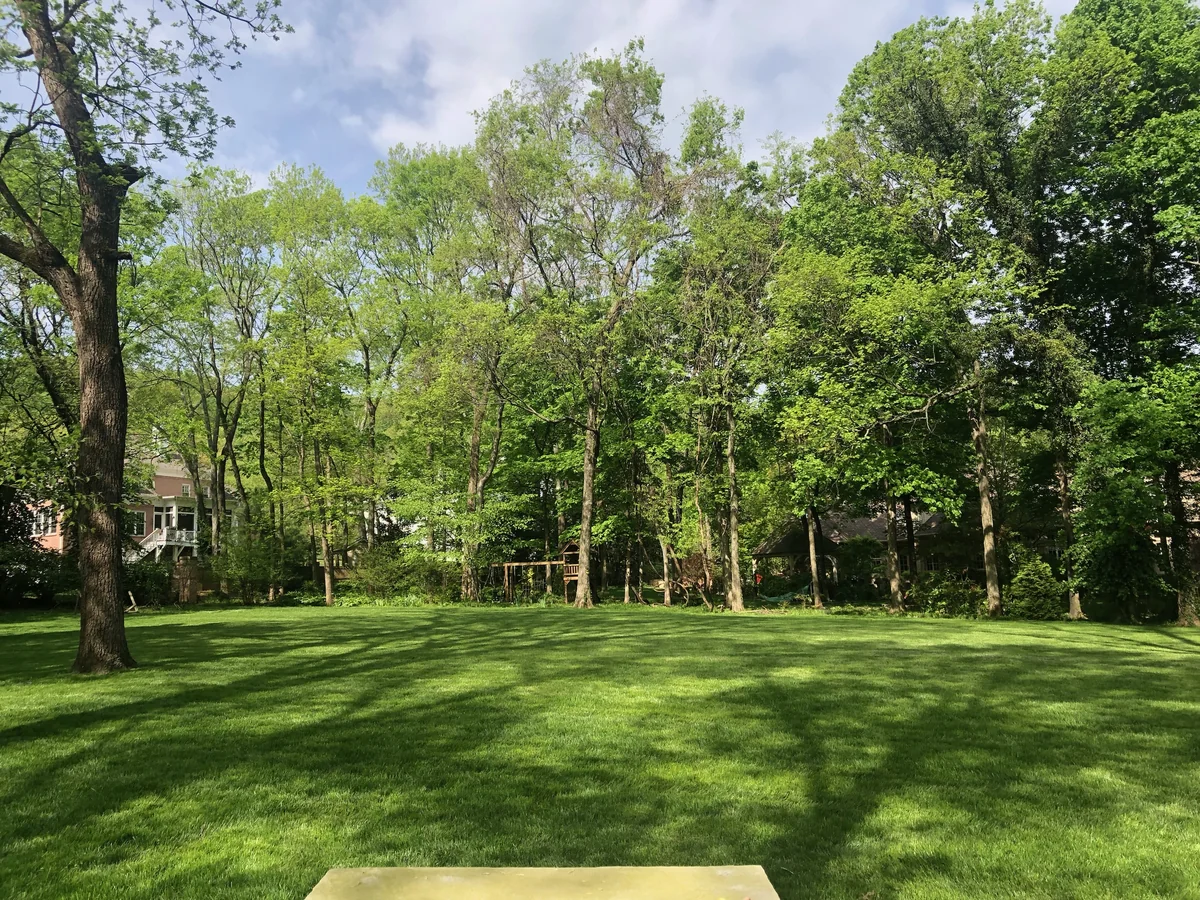
View on GoogleActual photos from lawn aeration & seeding jobs in Eagleville and surrounding Middle Tennessee areas.
Get a free quote for professional lawn aeration & seeding from our UT Certified team. We serve all of Eagleville and surrounding Rutherford/Williamson County areas.