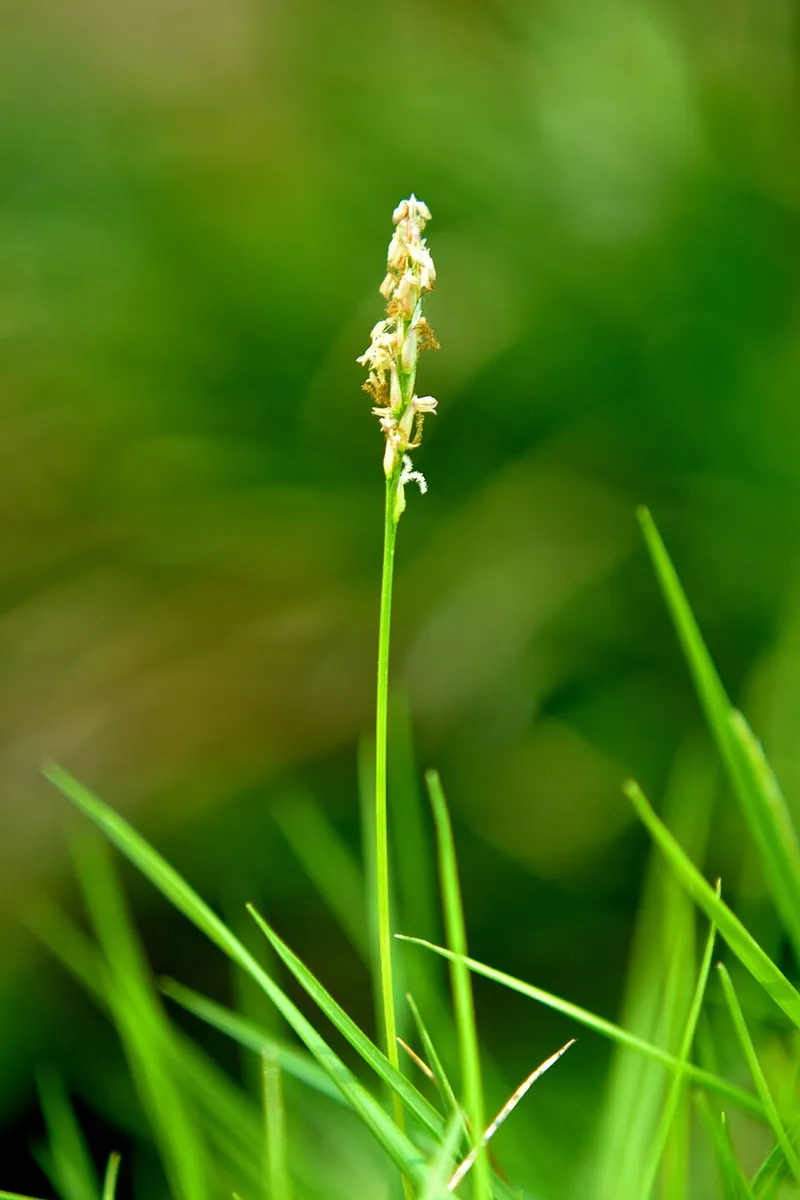
About Zoysia Varieties
Zoysia is misunderstood, some people overrate it, some underrate it, but it frankly does not make sense in Middle Tennessee climate. Zoysia biology wants a full summer followed by an abrupt winter and then back to full summer. Our climate gives it the opposite: very long shoulder seasons where temperatures oscillate between warm and cold for weeks at a time.
The late-frost pattern is the core problem. Between roughly February 15th and March 15th, Middle Tennessee typically gets two to three weeks of warm weather. Zoysia starts waking up and burns its winter carbohydrate reserves to push new growth. Then a late frost hits and snaps the life out of it. The same thing happens in reverse in fall, first frost, then warmth, then second frost. The result is a grass that gets stunted at the beginning and end of every growing season, never fully establishing the way it would fifty miles further south.
Even with a high-frequency maintenance plan, think nine treatments per year, three out of five years will probably be acceptable and two will get hit by something: frost mold, nematodes, chinch bugs, or large patch. The herbicide timing on Zoysia is especially frustrating. You cannot spray weeds from roughly mid-February through May or from mid-September through January, any herbicide application during these shoulder transitions causes phytotoxic damage. That leaves only June through August and January for post-emergent weed control. Meanwhile you still have to visit the property during those off-limit windows to apply fungicides while the customer stares at weeds you cannot treat.
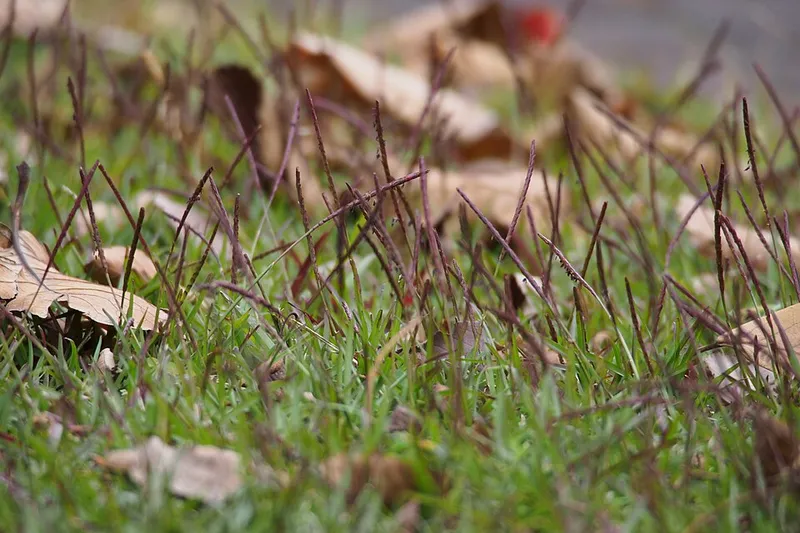
When Zoysia is fully dialed in, no disease, no insect pressure, correct mowing, correct irrigation, nothing looks greener. Zeon in particular turns an incredible deep green. Meyer is the hardier, more commonly planted cultivar. But that peak green window lasts only six to eight weeks before the next stressor arrives.
Zoysia handles cold better than Bermuda and is roughly ten times more shade tolerant, but still less shade tolerant than fescue. Those two properties are the main reasons anyone would consider Zoysia over Bermuda in Middle Tennessee. For most residential lawns, tall fescue remains the better choice.
Quick Facts
- Common Name
- Zoysia Varieties
- Scientific Name
- Zoysia japonica, Zoysia matrella, Zoysia pacifica
- Plant Type
- Turfgrass
- Region
- Middle Tennessee