Now the Part the Headlines Leave Out
Rain is not universally good for turf. It is good for turf on a well-drained site. On the wrong site it is exactly the wrong thing.
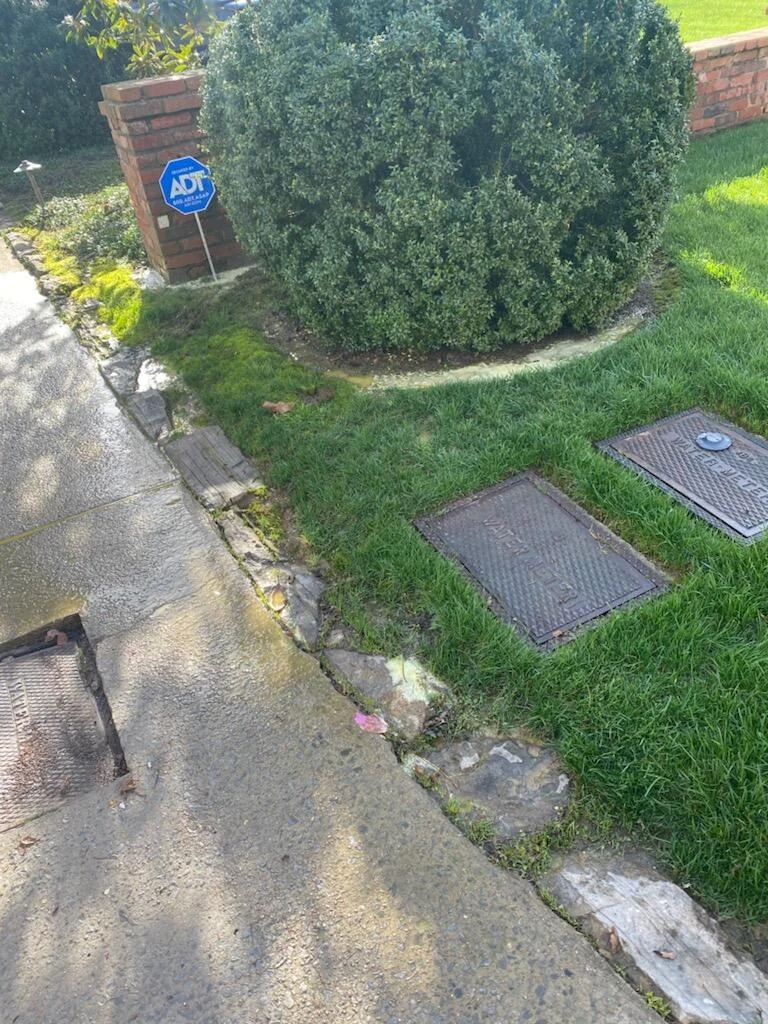
Poorly drained lawns. The reframe I give every customer with a soggy back corner is this: grass in a wet low spot is not drowning. It is dying of disease. Extended soil and leaf wetness is the single biggest driver of fungal pressure we have, and the pathogens do the killing long before root suffocation would. A wet El Niño fall makes an already-poorly-drained yard measurably worse, and it will show up as thinning, nutsedge, and algae in the same three spots it always does.
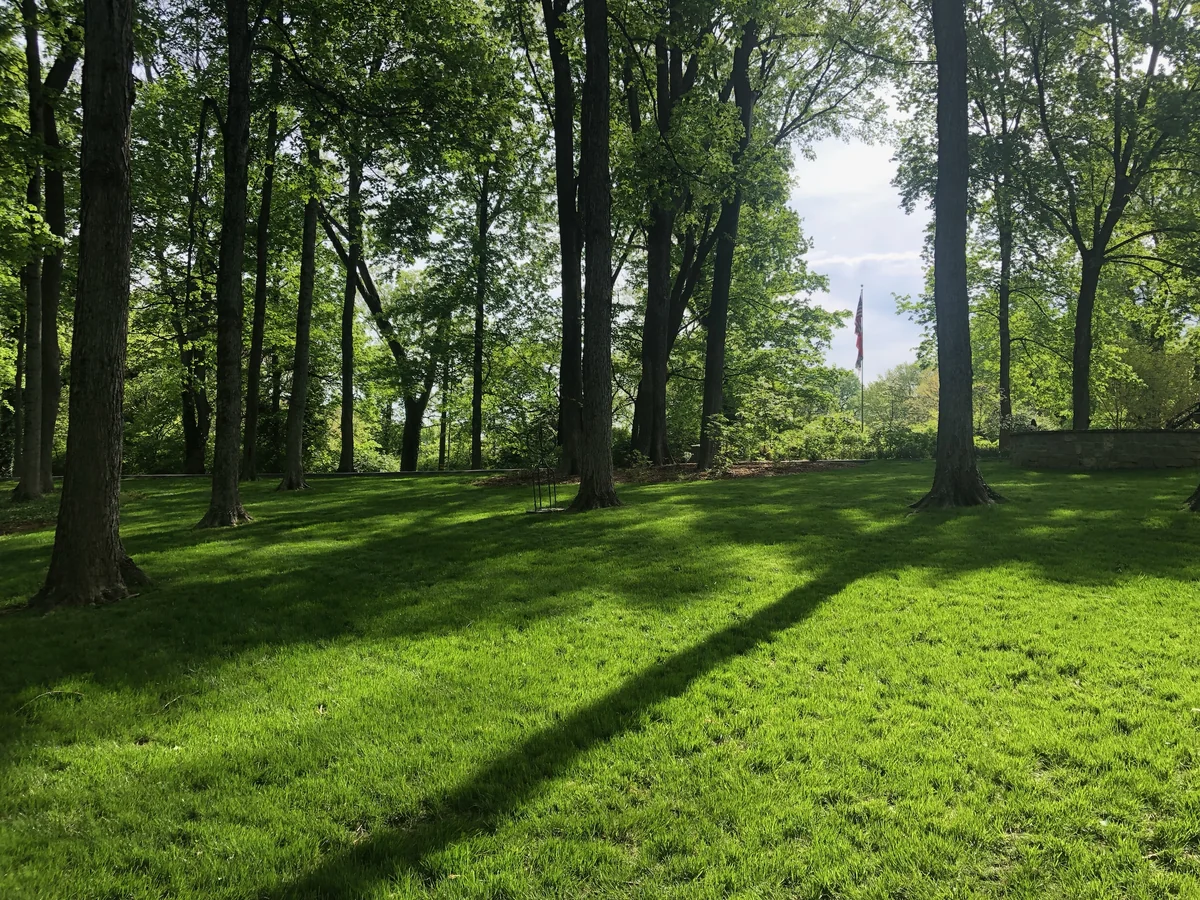
Heavy shade. Shade is not a disease cause by itself, humidity, dew, and warm nights matter far more, but shade plus persistent rain is a genuinely bad combination, because it means blades that never dry. We already get up to twelve hours a day of leaf wetness from dew alone in this climate, without a drop of rain. Extend that with an unusually wet pattern under a tree canopy and you are running the fungal incubator around the clock.
Warm, wet late-season disease. Two pathogens deserve specific mention if this fall runs warm and wet. Gray leaf spot (Pyricularia grisea) hits tall fescue in late August and early September rather than midsummer, it is one of the few turf diseases that actually produces airborne spores, and the chemistries that control it are limited and expensive. And an unusually wet two-week stretch is precisely how preventive coverage gets broken down and pythium blight (Pythium aphanidermatum) gets in, the worst thing that can happen to a fescue lawn in this region, and one where the materials alone run into thousands of dollars per acre to contain.
Irrigation controllers nobody touches. If your system runs the same schedule in a wet October that it ran in a dry August, you are stacking rainfall on top of a full irrigation cycle. That is a self-inflicted disease problem. Turn it down or put a rain sensor on it.
Turf Is Hyperlocal, and That Is the Whole Point
Here is the thesis I care about more than the forecast itself.
A seasonal outlook is drawn at a scale of hundreds of miles. Your lawn does not experience weather at that scale. It experiences the drip line of one maple, the runoff off one roof, the gravel a builder left in the boulevard strip, the way a north-facing slope holds dew until ten in the morning. I have stood in yards where the front and the back needed opposite advice on the same day.
So when a national forecast says "wetter than normal," it is not actionable on its own. Wetter than normal on a well-drained sunny lawn in Columbia that is about to be seeded is a windfall. Wetter than normal on a shaded, compacted, poorly graded yard in the same neighborhood means I need to be more aggressive about drainage and stay tighter on preventive fungicide intervals, not more relaxed.
The forecast is an input. Turning it into a decision requires knowing the site, and that is not something you get from a weather app.
What I Am Actually Doing About It
Practically, here is how a likely-wet fall changes my playbook in the I-65 corridor:
- Seed earlier, not later. A wetter pattern makes a late-August or early-September seeding better, not less urgent. Get the stand established while the moisture is there to use.
- Fix the cheap drainage problems first. Most drainage complaints I see in Middle Tennessee yards trace back to a downspout dumping into a depression. Extending a downspout is the least expensive lawn improvement that exists, and it pays for itself the first wet fall.
- Do not relax the fungicide program because it cooled off. Warm nights plus persistent wetness is the recipe, and October can still deliver both.
- Turn the irrigation down. Fixing drainage and backing off water is cheaper than treating what happens when you do not.
- Keep a canopy through fall. A wet, mild fall is also a great annual bluegrass year, and Poa annua needs bare soil to germinate. Grass covering the ground in September and October is the defense.
If the odds hold and this turns into a very strong event, most fescue lawns around Columbia, Spring Hill, and Franklin will establish better this fall than they have in several years. That is worth taking advantage of, it is the argument for booking aeration and overseeding now rather than hoping next fall cooperates.
And if your yard is one of the ones on the wrong side of a wet pattern, you are better off knowing that in August than finding out in November. Walk the property, find the spots that stay wet, and deal with those before the water shows up.
Sources