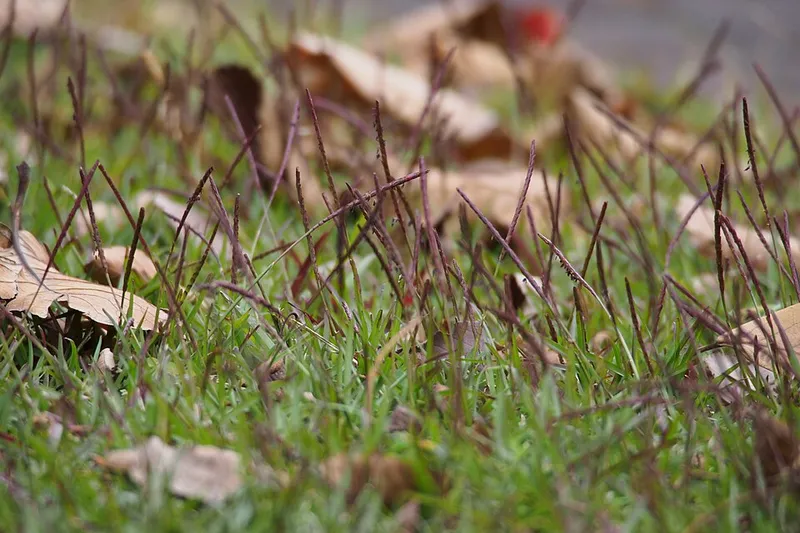
About Kentucky 31 Fescue
Kentucky 31 fescue was the first residential and commercial cultivar of tall fescue, and it is old technology that should no longer be planted in Middle Tennessee lawns. It scores poorly on NTEP (National Turfgrass Evaluation Program) trials across the board: disease resistance, texture, quality, and color are all significantly worse than modern turf-type tall fescue cultivars.
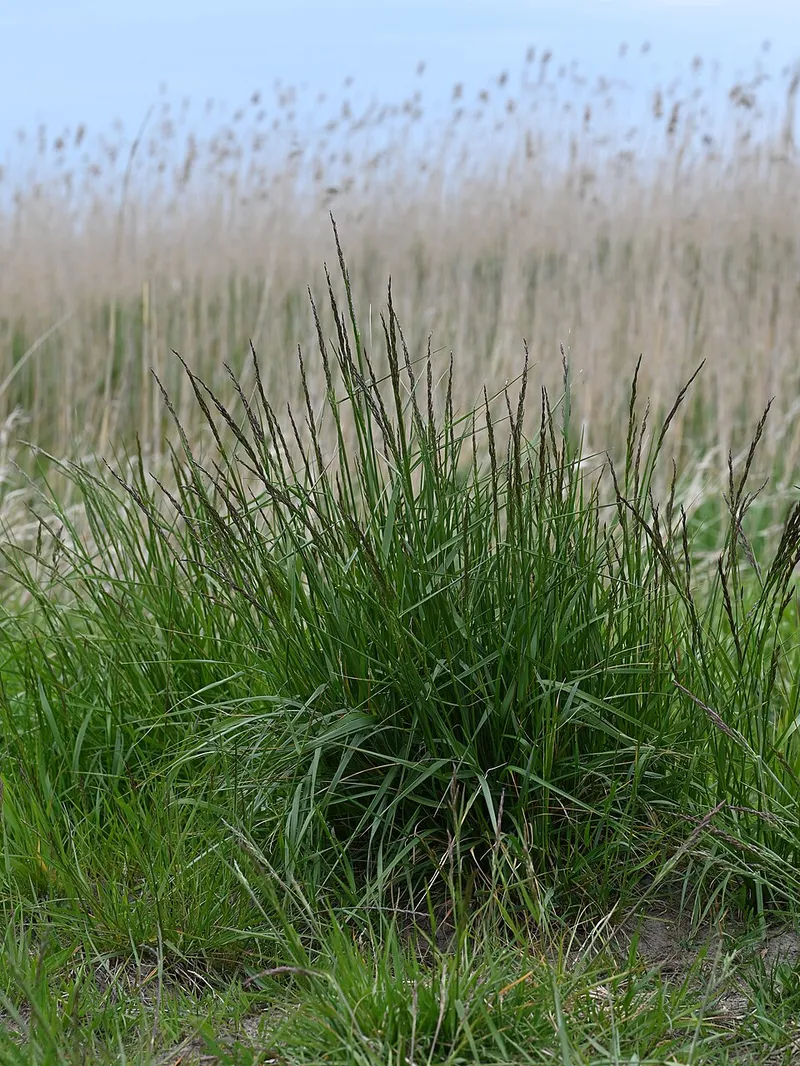
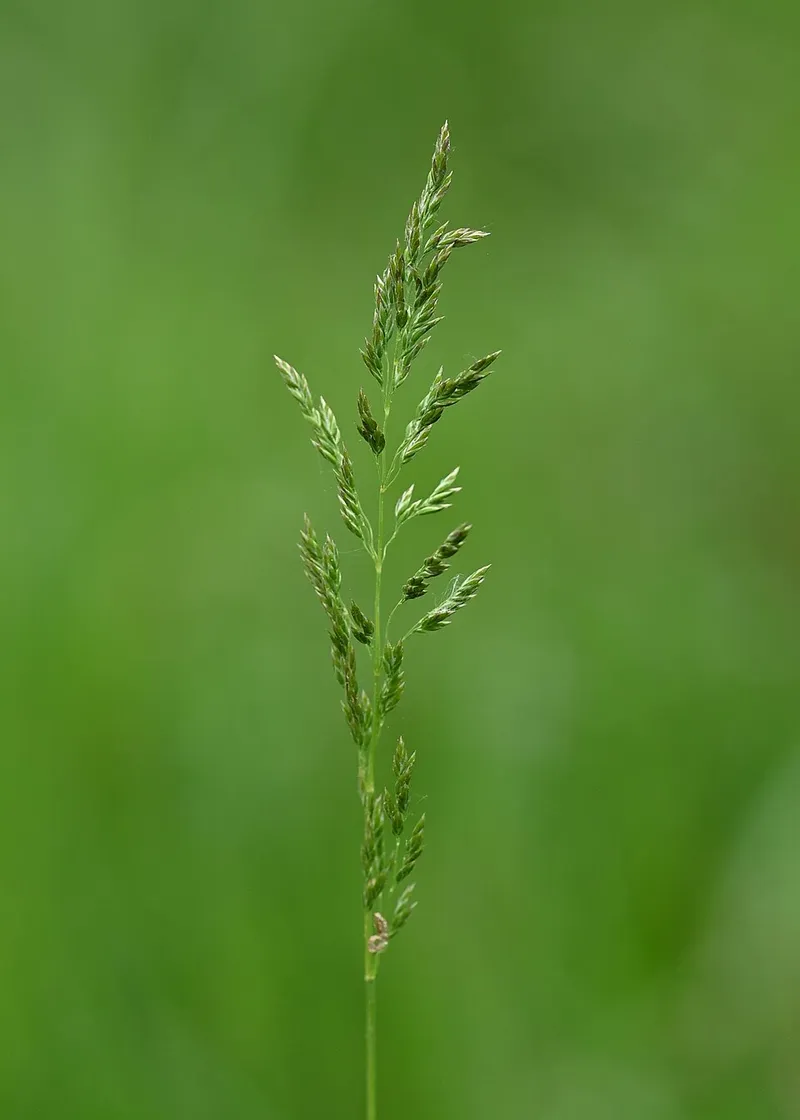
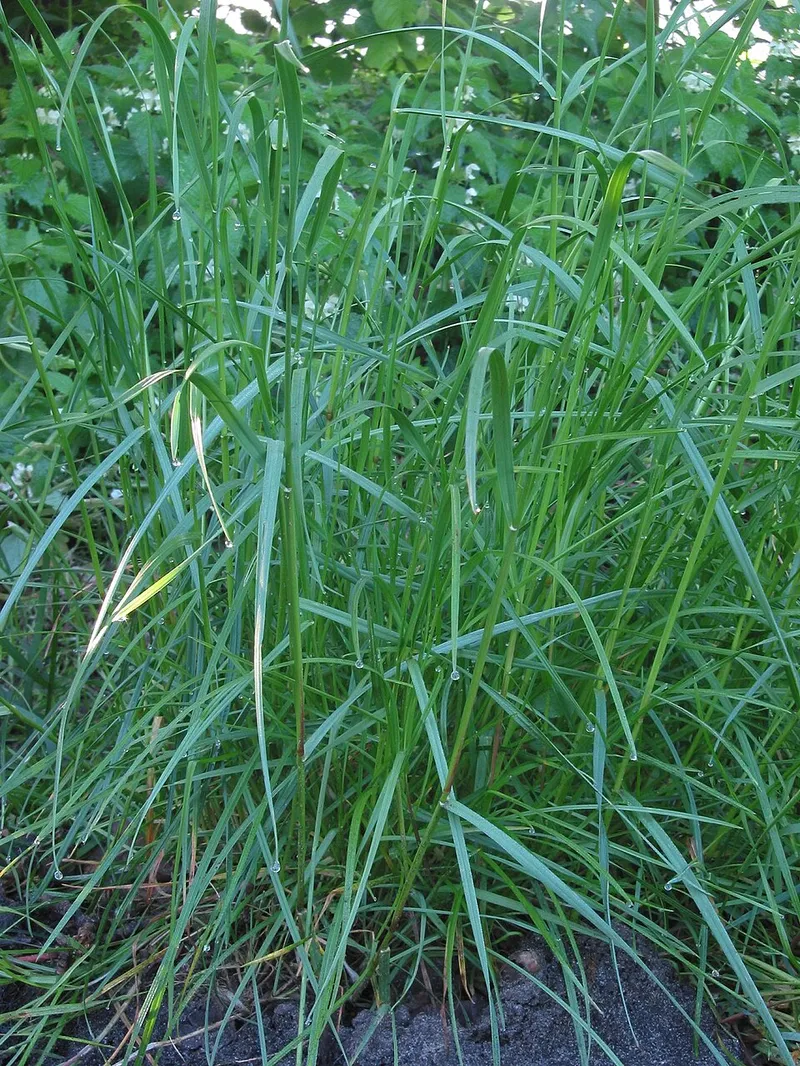
Visually, Kentucky 31 has very wide blades that are glossy and physically sharp to walk on barefoot. It grows in a pronounced clumping pattern, tall fescue is always a bunch-type grass, but K-31 takes the clumping to an extreme that looks shrub-like when a single plant grows in isolation.
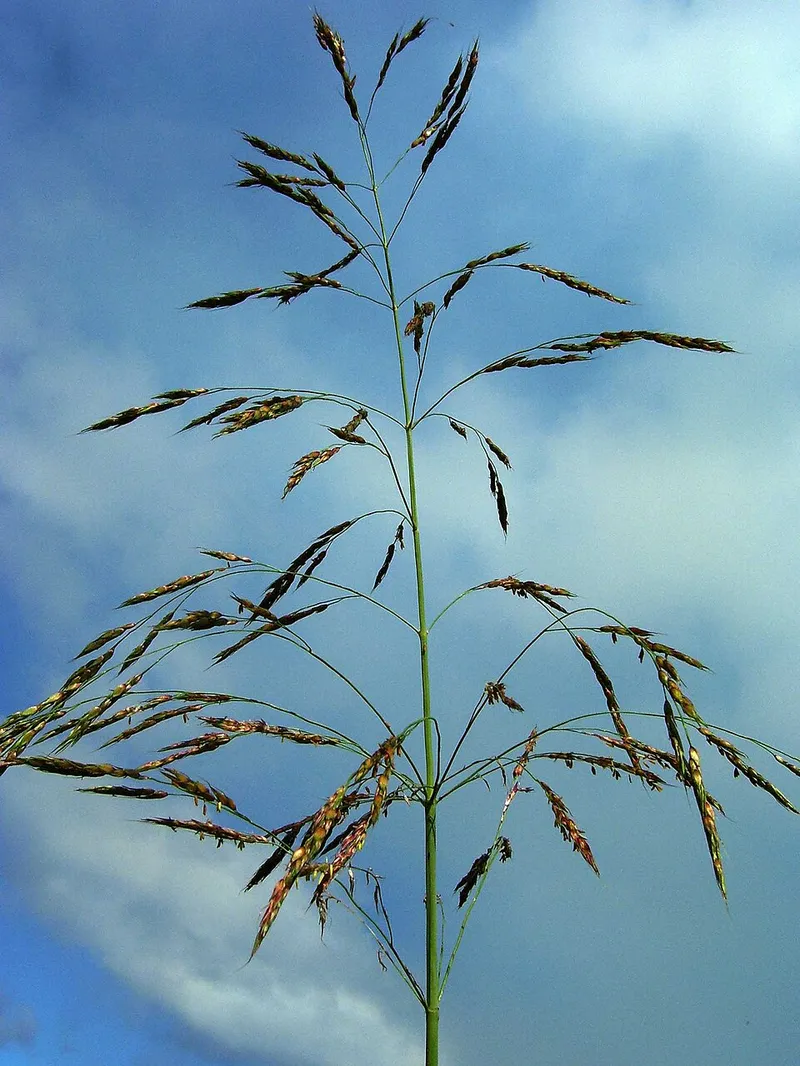
The real danger of Kentucky 31 is not the grass itself, it is what comes with it. K-31 seed is cheap, and cheap seed means low standards of care in the growing fields. If growers cannot control weeds in the production field, those weeds get harvested with the seed. Cheap fescue seed has orders of magnitude more contamination with other crop seed and weed seed than premium cultivars.
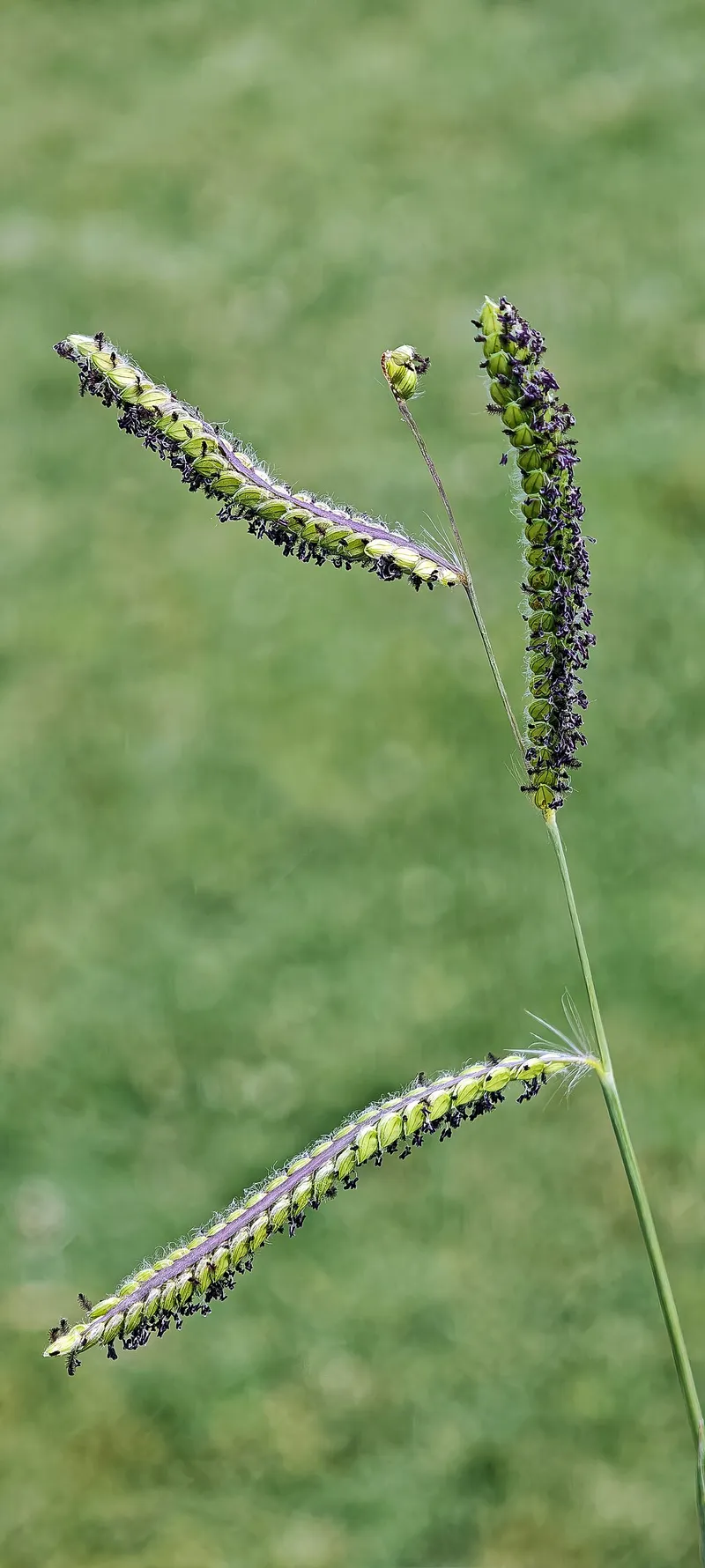
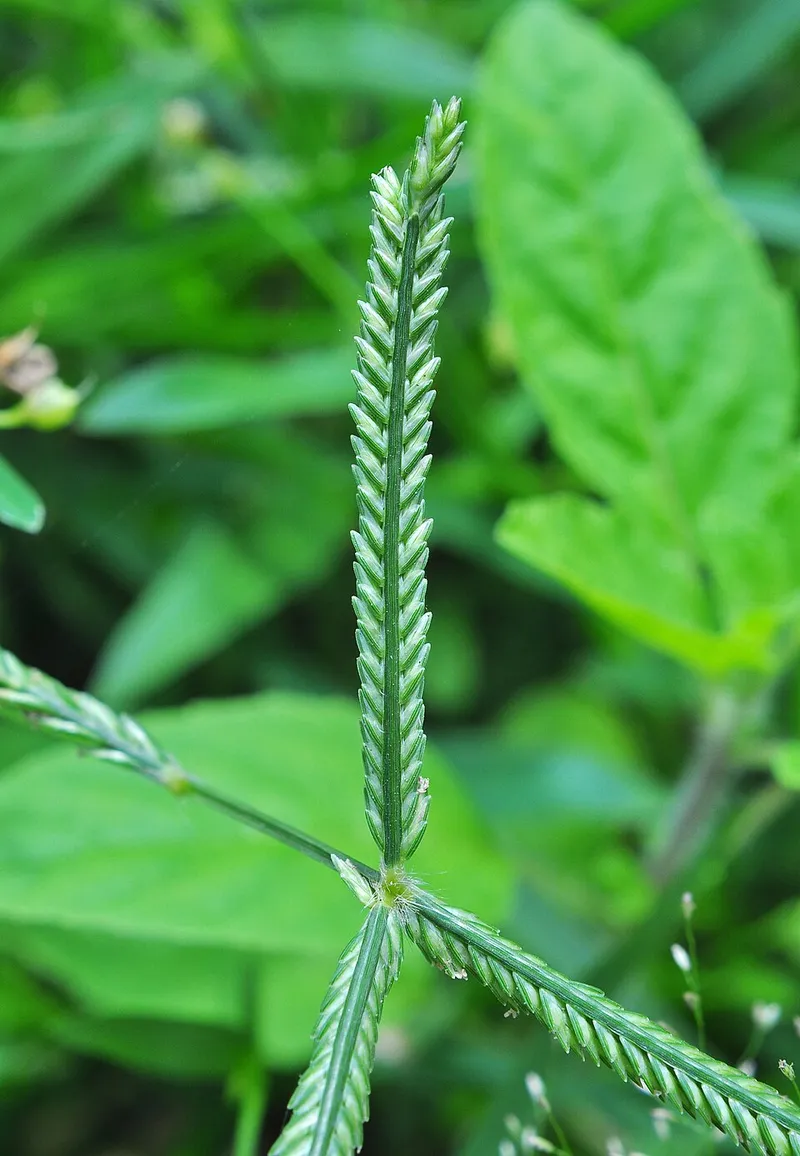
Dallisgrass is classified as "other crop seed" (not weed, not noxious) by Oregon seed testing labs, which means it has higher allowable contamination thresholds. Dallisgrass takes three to five years to kill once established in your lawn. Johnson grass is classified as noxious with stricter thresholds but still appears in cheap seed and construction straw. Quack grass contamination has been observed in Scotts and Pennington Rebels branded blends, a winter perennial with no selective herbicide available.
If your house was newly built, the contractor almost certainly used Kentucky 31 or a contractor seed mix containing K-31 and annual ryegrass. Contractor seed is designed for one purpose: look green at the final construction walkthrough. The contractor does not care what the lawn looks like next summer when it is riddled with dallisgrass, Johnson grass, and quack grass. Plan to overseed with quality turf-type tall fescue within one to two years of moving into a new build.
Always buy sod-quality certified seed (Gold Tag) or at minimum Blue Tag certified seed. The price difference per thousand square feet is negligible compared to the cost of fighting weed contamination for years afterward.
Quick Facts
- Common Name
- Kentucky 31 Fescue
- Scientific Name
- Festuca arundinacea (K-31)
- Plant Type
- Turfgrass
- Region
- Middle Tennessee