About Perennial Ryegrass
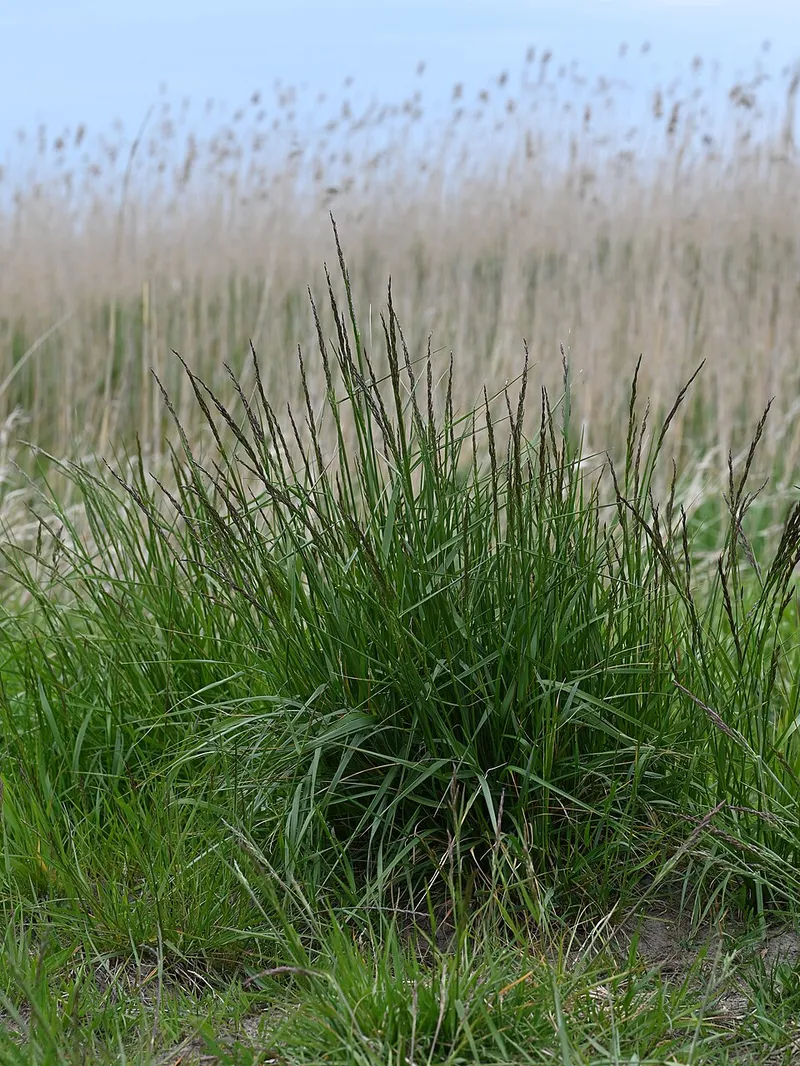
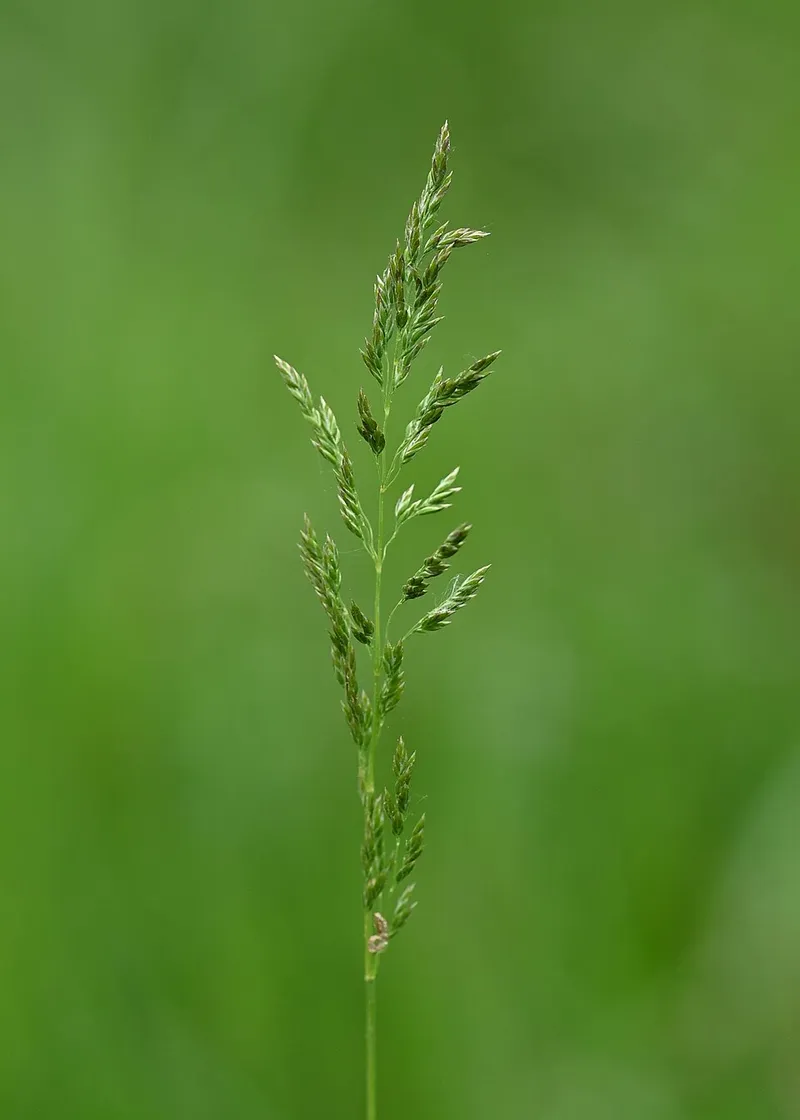
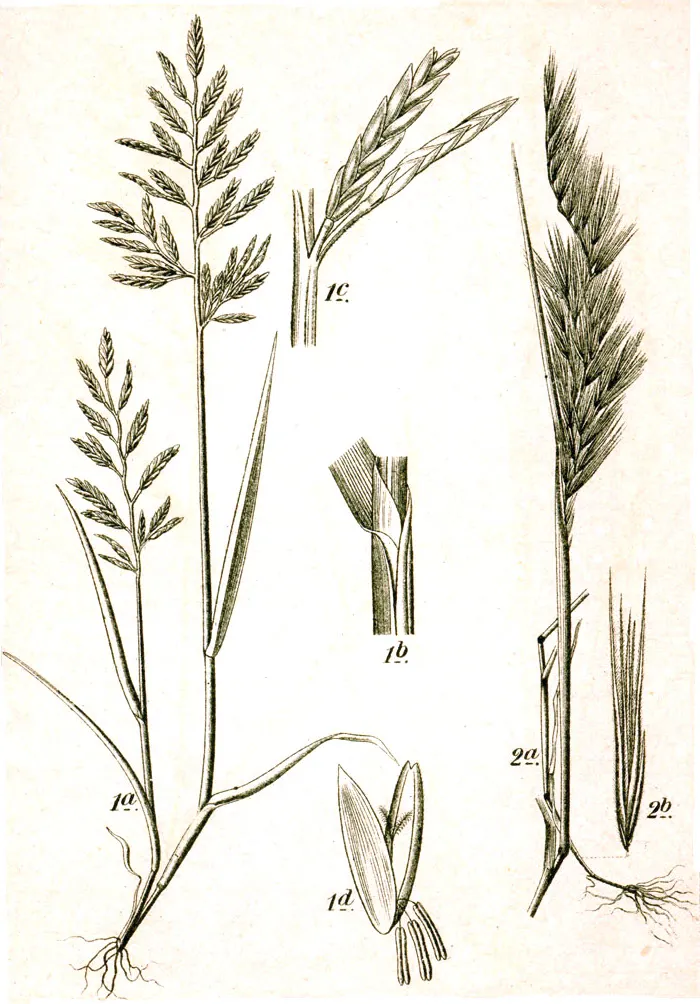
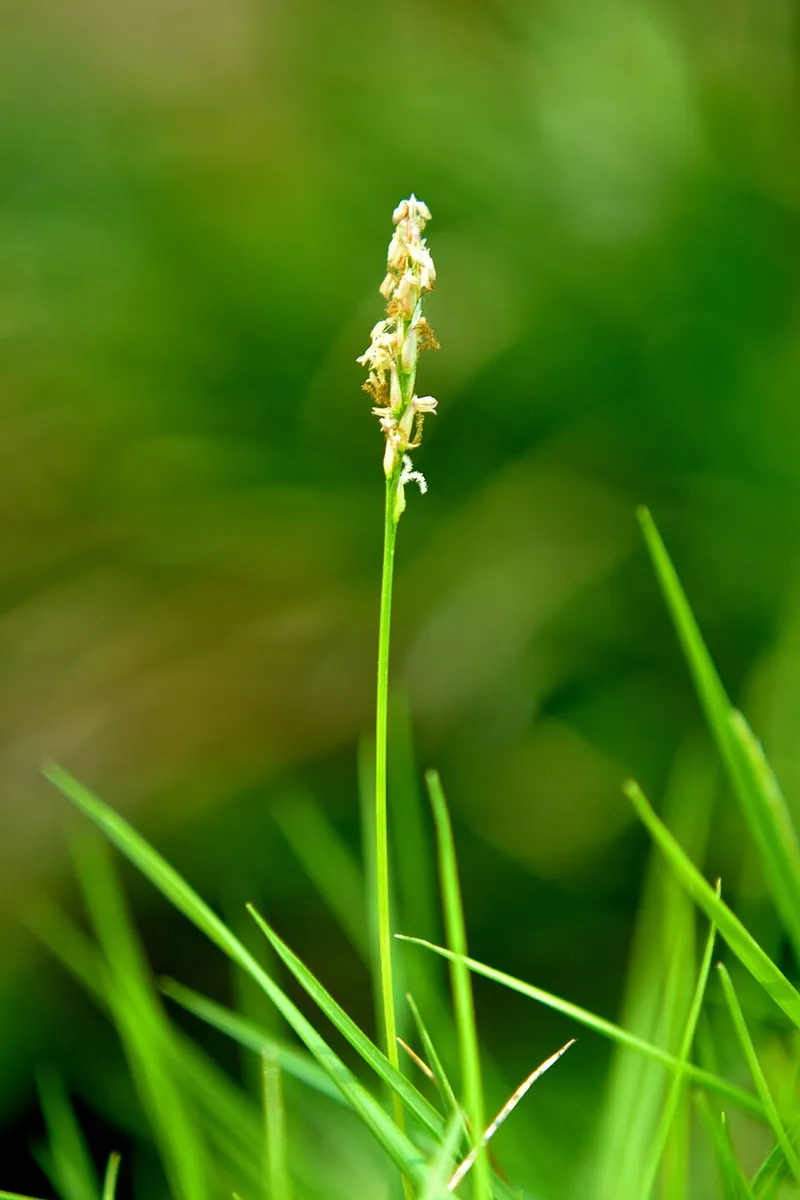
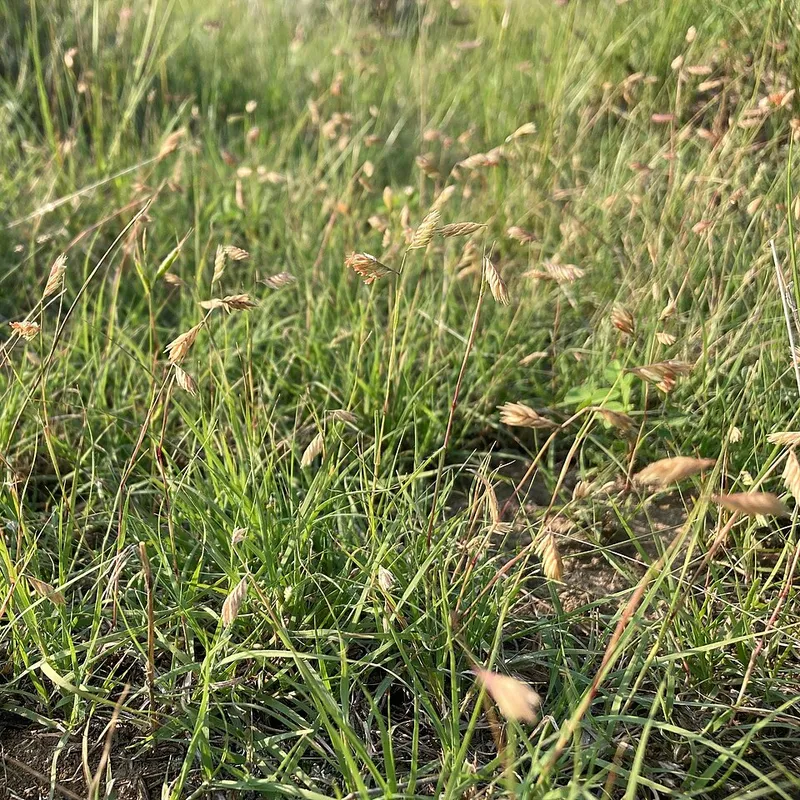
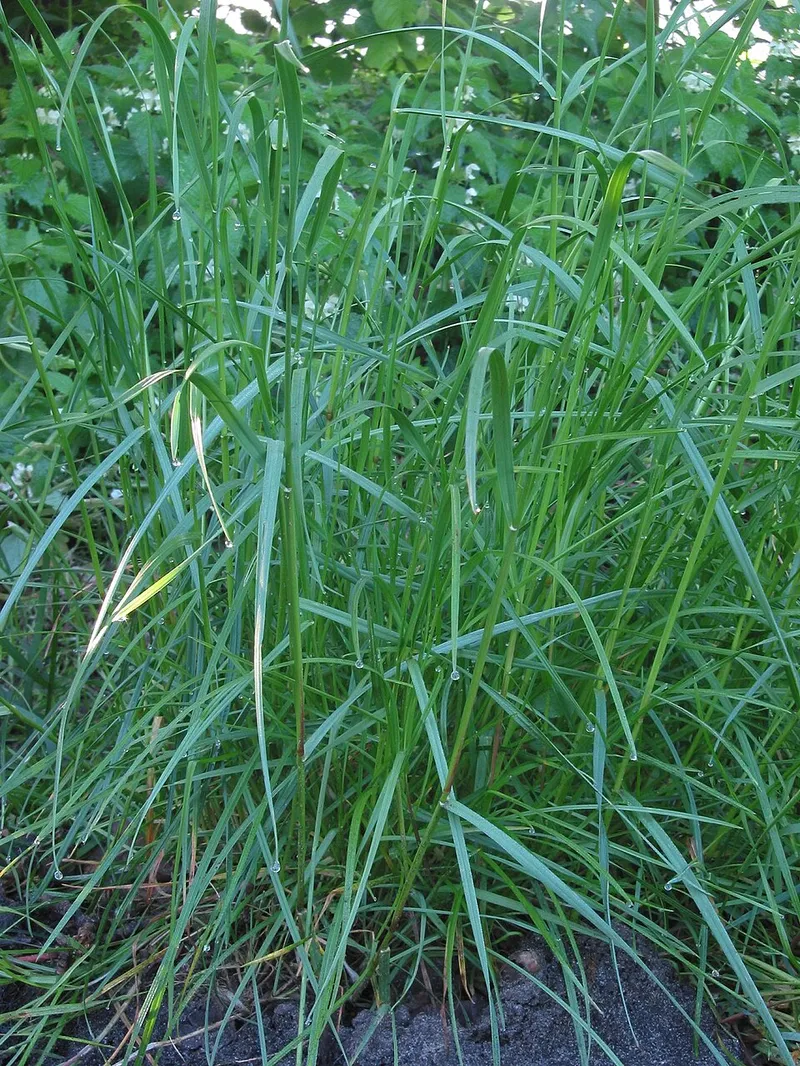
Perennial ryegrass (Lolium perenne) is one of the best-looking grasses in existence, dark green, fine-textured, dense, and beautiful. It is up there with Zoysia for pure visual appeal. It also cannot survive Middle Tennessee summers, which makes it a specialty grass here rather than a residential lawn option.
Perennial ryegrass is used widely on ball fields in our area, baseball primarily, some soccer. The typical use case is winter overseeding on Bermuda fields. In September or October, you scalp the dormant Bermuda extremely low and overseed with perennial ryegrass at roughly fifteen pounds per thousand square feet. The rye germinates quickly and provides stunning dark-green winter color over the brown dormant Bermuda. Come spring, heat arrives, the rye dies out, and the Bermuda transitions back to active growth.
The high seed rate is necessary because unlike fescue, which is a bunch-type grass with width at the base, perennial ryegrass produces mostly vertical shoot growth with very little bunching. At the low mowing heights used on athletic fields, you need far more individual plants per square foot to create a visually dense surface. Ryegrass seed is also smaller than fescue seed, so there are more seeds per pound.
An emerging problem with modern perennial ryegrass cultivars is that they have gotten too good. Improved heat tolerance means they are living into May instead of dying out in March or April as older cultivars did. This creates a spring competition problem: you cannot spray herbicide on Bermuda during its spring transition without causing phytotoxic damage, and the late-surviving rye competes aggressively with the waking Bermuda through root exudates. The result is that the Bermuda comes back thinner than it started.
Because of this, many ball fields in Middle Tennessee are shifting back to annual ryegrass (Lolium multiflorum) at twenty pounds per thousand square feet. Annual rye dies cleanly with the first stretch of ninety-degree days, does not compete with Bermuda spring transition, and is cheaper per pound. The tradeoff is a coarser texture and slightly less visual appeal than the perennial cultivars.
For residential lawns in Middle Tennessee, do not plant perennial ryegrass as a permanent lawn, it will die in summer. If you see it in a seed blend at the hardware store, it is there for fast germination on the bag label photo, not for long-term lawn performance.
Quick Facts
- Common Name
- Perennial Ryegrass
- Scientific Name
- Lolium perenne
- Plant Type
- Turfgrass
- Region
- Middle Tennessee