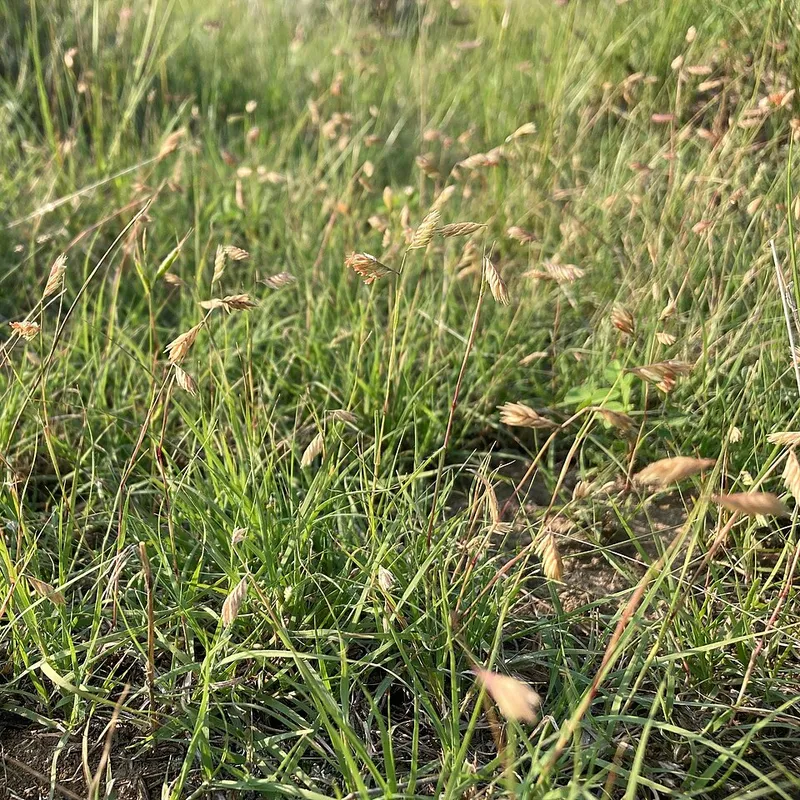
About Hybrid Bermuda Grass
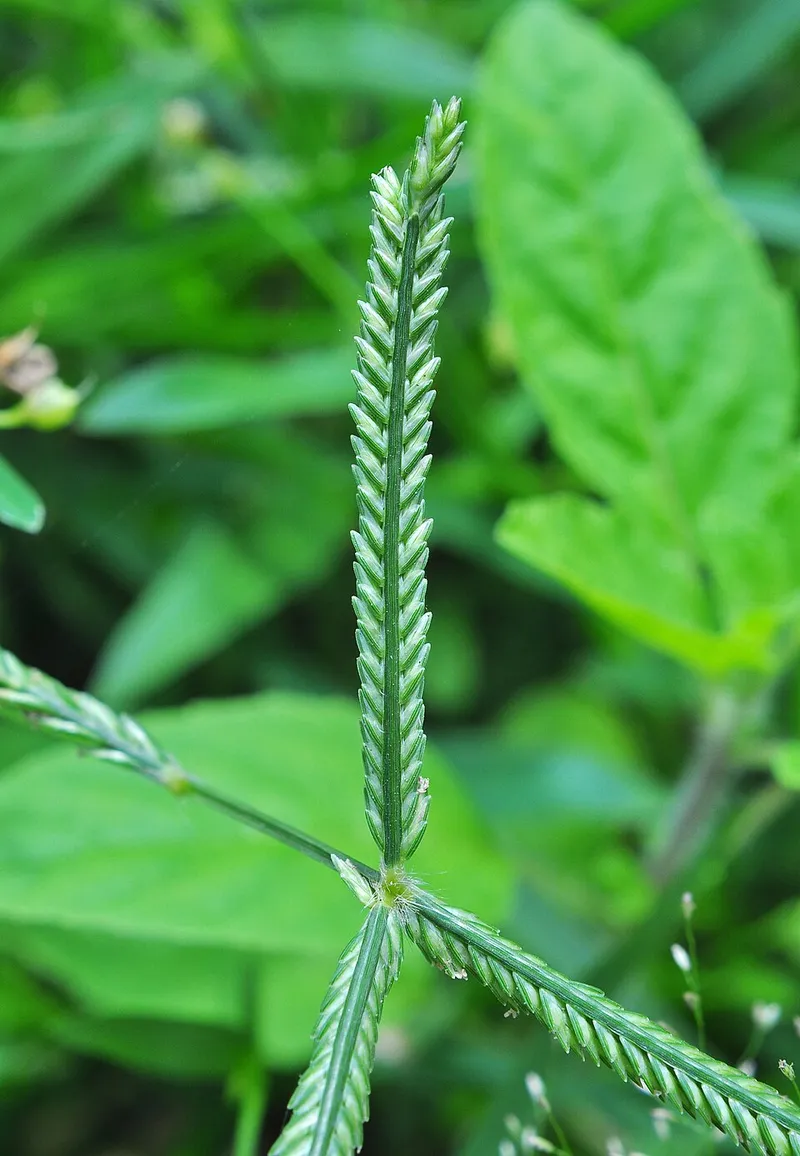
Hybrid Bermuda grass is the desirable form of Bermuda, the kind you actually pay for and plant intentionally, as opposed to common Bermuda which invades fescue lawns as a weed. It is more consistent year to year than Zoysia in Middle Tennessee, though it has its own limitations.
Hybrid Bermuda must be established from sod or plugs, not seed. We tested seeded Bermuda cultivars years ago and again recently, the technology is still not there. Seeded Bermuda requires completely bare dirt (not just scalped, not just Roundup-treated, truly bare and resurfaced), constant irrigation during establishment, and the seed is extremely expensive. Sod is the practical choice.
The first winter after planting is the scary one. You sod in June, the lawn looks perfect through September, it goes uniformly brown for dormancy, and then some spots may not pop back up the following spring. After that first winter, however, Bermuda generally settles in and becomes reliable.
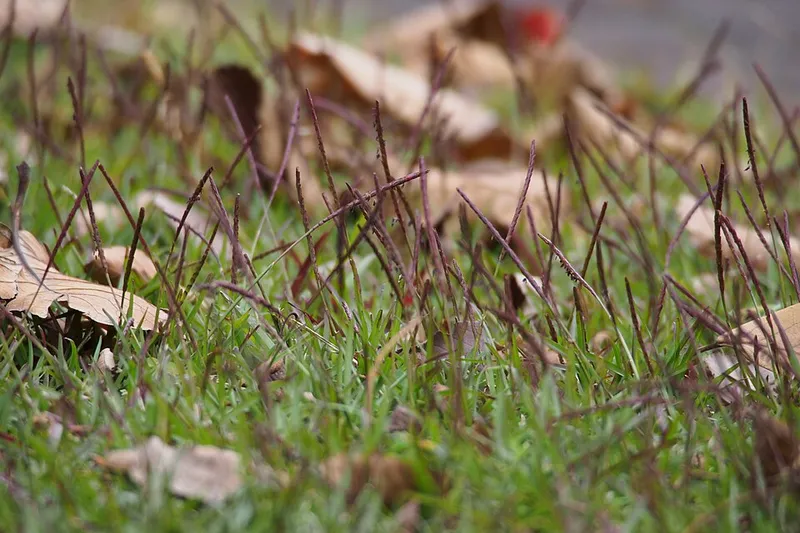
The biggest aesthetic challenge with hybrid Bermuda is the rotary mower problem. Bermuda is stoloniferous, it spreads via above-ground stolons that lie horizontally across the soil surface. Only the top of the plant is green; the stolons underneath are brown. Rotary mowers create suction that pulls these horizontal stolons up and cuts them, leaving brown spots scattered throughout the lawn. This is why every rotary-mowed Bermuda lawn looks patchy regardless of how well it is treated.
To get a truly beautiful Bermuda lawn, you need a reel mower, which cuts without suction and leaves the horizontal stolons undisturbed. Reel mowers require a very flat surface, typically achieved through rolling and sand topdressing over multiple seasons, or the more drastic approach of running a sod cutter over the entire yard, resurfacing with a Harley rake, and re-laying the sod. Getting someone to bid the prep work without the sod sale is difficult because the profit is in the sod, not the prep.
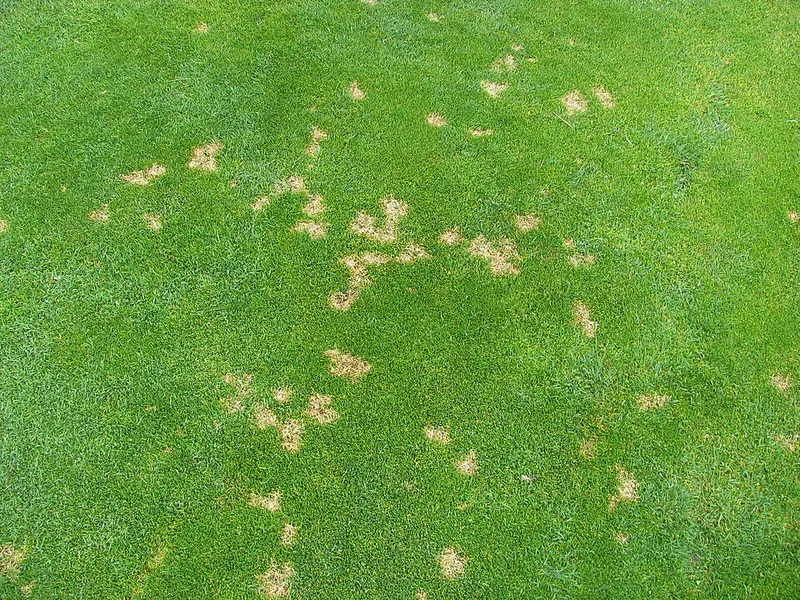
Bermuda is super susceptible to dollar spot, far more than any other desirable turfgrass. It also cannot tolerate shade at all, unlike Zoysia which has moderate shade tolerance. In Middle Tennessee, Bermuda gets stunted every spring by the late frost cycle: a warm stretch wakes it up, then a late frost around March 15th snaps it back down. Fifty miles south where the last frost is earlier, Bermuda does significantly better.
One interesting property: you can dramatically increase Bermuda lateral spread by increasing mowing frequency. Mow four times per week all summer with consistent irrigation and you can push Bermuda six feet laterally from a single plug over one season.
Quick Facts
- Common Name
- Hybrid Bermuda Grass
- Scientific Name
- Cynodon dactylon × transvaalensis
- Plant Type
- Turfgrass
- Region
- Middle Tennessee