Your Options for Fighting Back
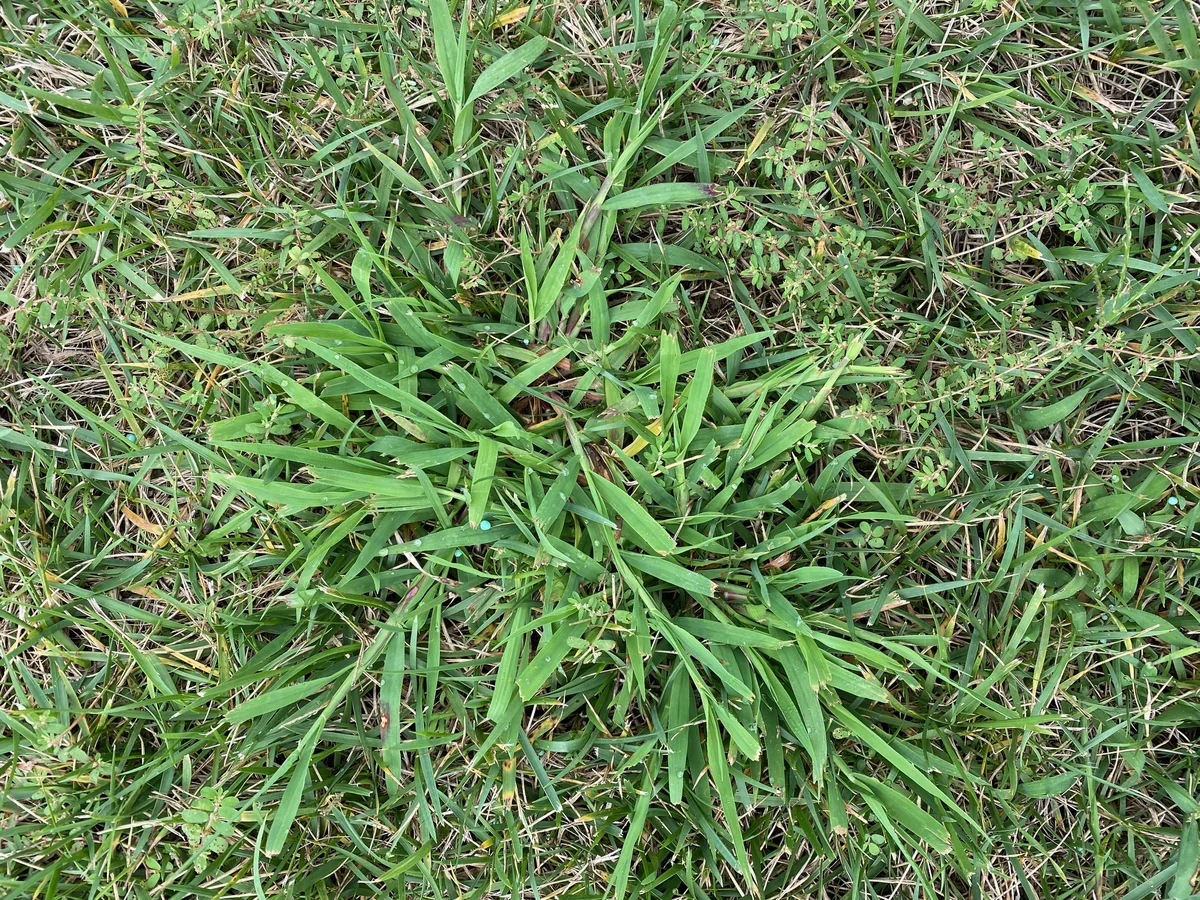
Let me be straight with you: if you have a significant infestation of quack grass or Johnson grass, there's no magic spray that will make it disappear overnight. But you do have options, ranging from tedious to nuclear.
Option 1: Hand Removal (For the Patient and Determined)
This works if you have just a few problem areas and plenty of time. You'll need a good weeding tool, patience to get the entire root system, and commitment to check weekly for regrowth. Reality check: If you have more than a few dozen problem spots, this approach will consume your entire summer.
Option 2: Selective Spot Treatment (The Precision Approach)
Since there are no selective herbicides that kill these grasses without harming your good grass, some folks get creative:
- Glyphosate painting: Using a small brush to apply non-selective herbicide only to the problem grass
- Foam applicators: Tools that let you apply herbicide precisely to individual blades
- Sponge-on-a-stick methods: DIY tools for precise application
Reality check: This is time-intensive but can work for moderate infestations.
Option 3: Section Renovation (The Compromise Solution)
Kill off the worst-affected areas completely and reseed:
- Apply glyphosate to heavily infested sections
- Wait 2 weeks, then reseed with quality seed
- Much faster than spot-treating individual plants
- Allows you to start fresh with better seed
Option 4: Complete Lawn Renovation (The Nuclear Option)
Sometimes it's just easier to start over: kill the entire lawn and reseed everything. Expensive but guarantees you're starting with clean, quality seed. Best option if contamination is widespread.
The Middle Tennessee Twist
Timing matters more here. Our hot, humid summers make lawn renovation challenging. Fall is really your best window for major seeding projects.
Fescue considerations. Since most of us have tall fescue lawns, you need to be careful about herbicide damage to your good grass. Fescue is tougher than some grasses, but it's not invincible.
Soil compaction issues. Many of our suburban soils are compacted, which can stress your good grass and make it easier for aggressive weeds to take over.
Prevention: Choosing Better Seed Next Time
After dealing with contamination problems this year, here's what to look for when buying seed:
- Buy certified seed. Look for blue tag or gold tag certification, which indicates higher quality standards.
- Shop at specialty stores. Farm supply stores and specialty seed dealers often carry higher-quality products than big box stores.
- Read the label carefully. The seed analysis tag tells you exactly what's in the bag, including any weed seed content.
- Ask questions. A reputable dealer should be able to tell you about the seed's origin and quality testing.
When to Call in the Professionals
There are times when professional intervention makes sense: if you have widespread contamination across more than 30% of your lawn, if you've tried DIY methods and the problem keeps coming back, if timing is critical and you need results before selling your home, or if you want to prevent future problems with a comprehensive lawn care program.
Frequently Asked Questions
Can I prevent this from spreading to my neighbor's yard? Unfortunately, both quack grass and Johnson grass spread through underground rhizomes, so they don't respect property lines. The best prevention is early, aggressive treatment.
Will these grasses die out on their own? No. Both are perennial grasses that will actually get stronger and more established over time. The problem will only get worse if left untreated.
Is there any safe way to kill these grasses without chemicals? Hand removal is really the only non-chemical option, and it's only practical for small infestations. Smothering with tarps can work but takes months and kills everything underneath.
Should I try to overseed over the problem areas? Generally, no. The aggressive growth of these weeds will outcompete new grass seedlings. You need to eliminate the weeds first, then reseed.
Ready to Take Back Your Lawn?
If you're dealing with a contaminated seed situation and want professional help developing a solution, that's exactly the kind of challenge we handle regularly at Mr. Lawn Care. We've helped dozens of Middle Tennessee homeowners solve similar problems this year, from selective removal to complete lawn renovation.
We serve homeowners throughout Columbia, Franklin, Spring Hill, Brentwood, and the surrounding areas. Give us a call at (615) 490-4082 or email [email protected] for a consultation.
Been solving lawn problems in Middle Tennessee for over a decade. Every year brings new challenges, but contaminated seed issues are definitely trending upward. Got questions about problem grasses in your lawn? Feel free to reach out.