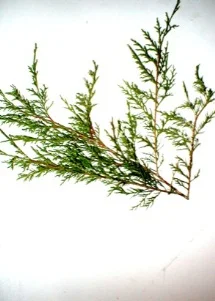
About Eastern Red Cedar
Eastern Red Cedar (Juniperus virginiana)
Full sun, dry to medium moisture, tolerates clay, loam, sand, and shallow rocky soils, pH 4.5-8.0; highly drought-tolerant once established.
40-50 feet tall by 8-20 feet wide; dioecious, male trees release yellow pollen in late winter, females produce waxy blue-gray berry-like cones 4-6 mm across maturing in fall. Growth rate medium. Spreads by bird-dispersed seed.
Native region: Statewide in Tennessee, especially abundant on abandoned fields, cedar glades, and rocky limestone outcrops of the Central Basin and Highland Rim.
Juniperus virginiana is arguably the most adaptable native tree in Middle Tennessee, it colonizes disturbed ground from Maury County roadsides to limestone glades around Columbia with no assistance. The species is an alternate host for cedar-apple rust (Gymnosporangium juniperi-virginianae), which produces orange gelatinous galls on branches in wet springs; this creates significant disease pressure on nearby apple and crabapple plantings. Bagworms (Thyridopteryx ephemeraeformis) are the most damaging insect pest, capable of defoliating entire specimens if egg masses are not hand-removed in winter. The dense, prickly foliage provides important nesting cover for songbirds; female trees produce fruit consumed by cedar waxwings, robins, and mockingbirds. Wood is aromatic, rot-resistant, and used historically for fence posts across Middle Tennessee farm country.
Quick Facts
- Common Name
- Eastern Red Cedar
- Scientific Name
- Juniperus virginiana
- Plant Type
- Tree
- Region
- Middle Tennessee