About Bagworm
Bagworm (Thyridopteryx ephemeraeformis)
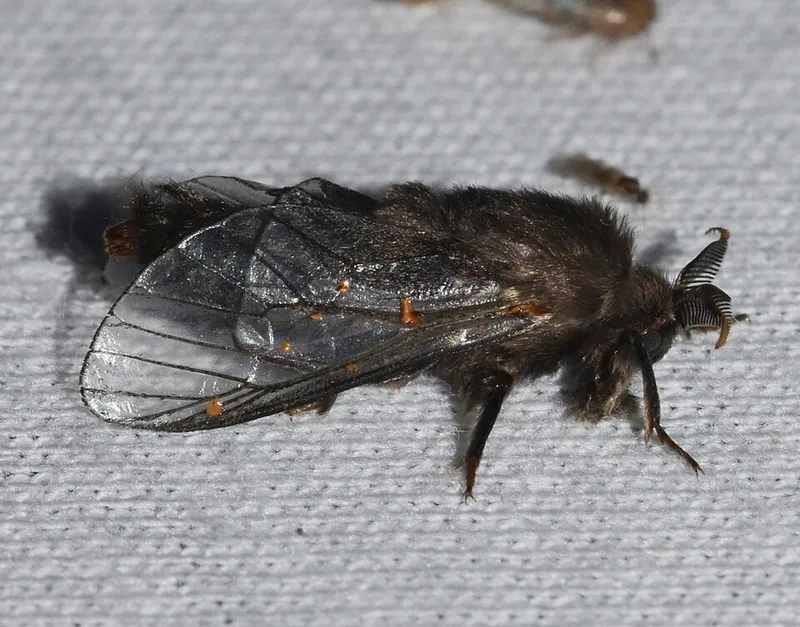
Identification: Larvae construct spindle-shaped portable cases (bags) from silk and fragments of host foliage, 30-50 mm at maturity, that hang from branches and closely resemble seed cones or dead foliage, the bags make this one of the most visually diagnostic landscape pests in Tennessee. Males are black, furry moths, 25 mm wingspan, with clear wings, emerging in late summer. Females are wingless and never leave the bag. Primary hosts are arborvitae, junipers, and Leyland cypress, but bagworms will feed on 128+ plant species including deciduous trees and shrubs.
Life cycle: One generation per year in Tennessee. Eggs overwinter inside the female's bag (each bag may contain 500-1,000 eggs). Larvae hatch in late May to early June in Middle Tennessee as temperatures warm and begin constructing their bags immediately. Larvae feed through summer, enlarging bags as they grow. Males pupate and emerge in late August-September to mate; females remain in bags, lay eggs, and die. Early-season detection is critical, a single egg bag from the prior year represents 500-1,000 potential larvae the following June.
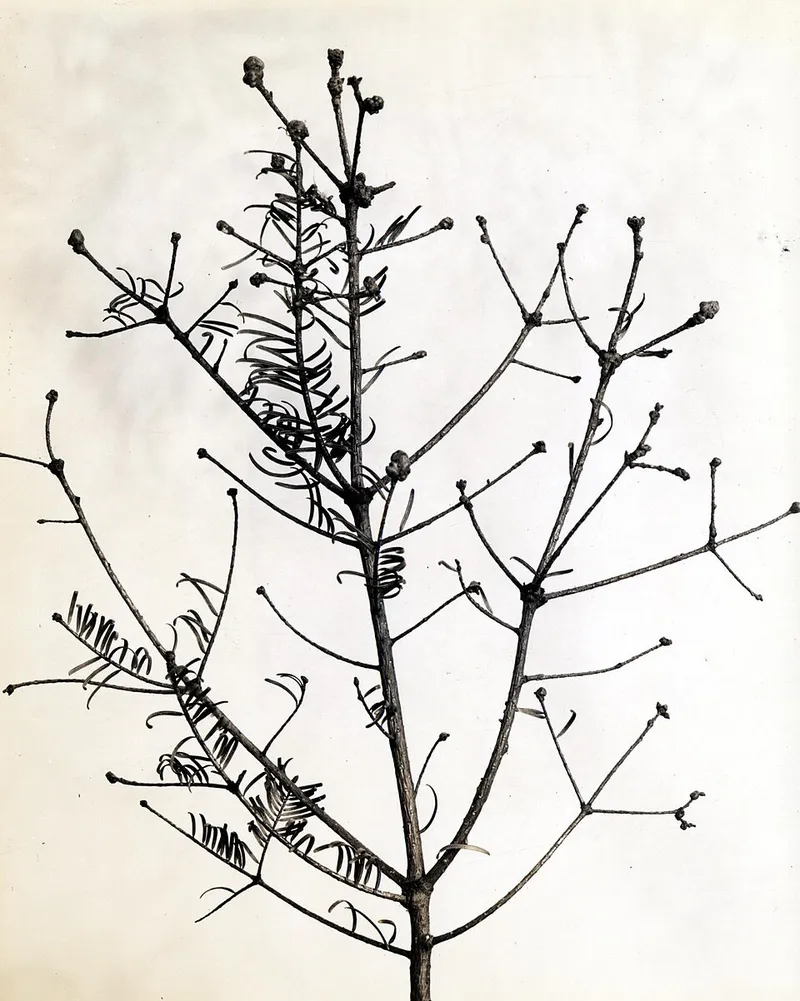
Damage signs: Progressively defoliated arborvitae, juniper, or Leyland cypress with spindle-shaped bags visible on branches by July. Arborvitae and Leyland cypress are particularly vulnerable because they do not regenerate from bare wood, complete defoliation is permanent and lethal. Junipers tolerate moderate defoliation if caught early. In Middle Tennessee, bagworm pressure on arborvitae screens and juniper foundation plantings is consistent from June through August. Dense infestations kill established arborvitae within a single season.
Treatment window: Within 2-4 weeks of egg hatch, targeting young larvae (less than 12 mm) before bags become too large for effective penetration. In Middle Tennessee this window is typically late May to mid-June. Hand-picking overwintered bags in fall and winter eliminates eggs before hatch.
UT-recommended approach: Bacillus thuringiensis var. kurstaki (Btk) applied at first larval emergence is effective on young instars and preserves natural enemies. Spinosad or chlorantraniliprole provide longer residual activity for larger plantings. Hand-removal of all bags in late fall and winter is the most reliable prevention measure for small specimens and ornamental hedges.
Quick Facts
- Common Name
- Bagworm
- Scientific Name
- Thyridopteryx ephemeraeformis
- Category
- Landscape Pest
- Region
- Middle Tennessee