About Crabapple
Crabapple (Malus spp.)
Flowering Crabapple
Full sun, moist to well-drained, tolerates clay loam and loam, pH 5.5-7.0; requires good air circulation; moderate drought tolerance once established.
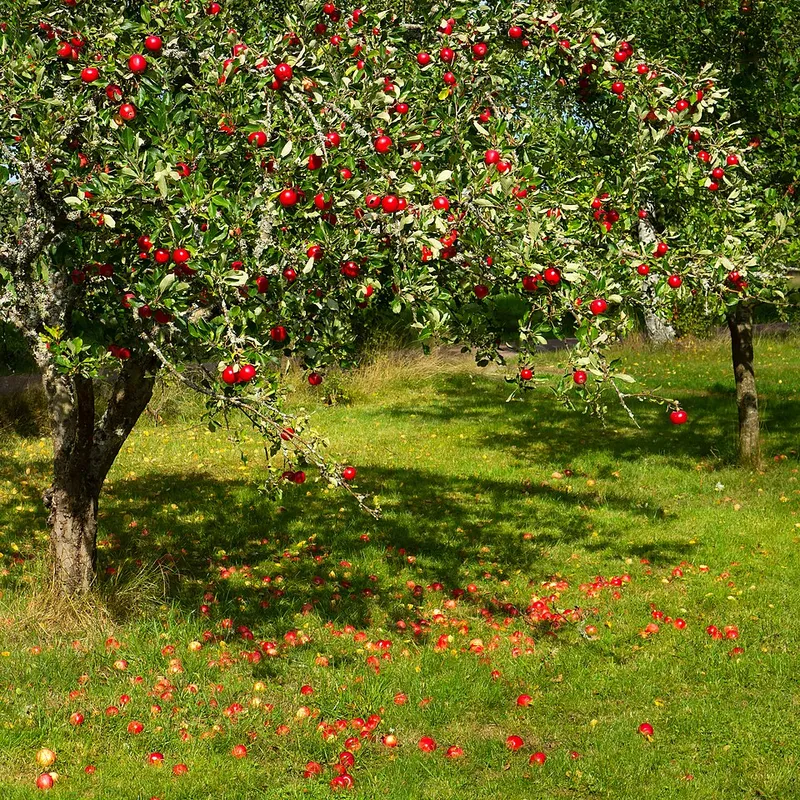
Typically 15-25 feet tall and wide depending on cultivar; blooms April-May with pink, white, or red flowers; fruit varies from 6 mm to 5 cm depending on selection; fruit color ranges from yellow to red to purple in fall. Growth rate medium.
Native region: Not native to Tennessee as Malus domestica (which is a complex cultivated hybrid). The native southern crabapple is Malus angustifolia, which occurs in Tennessee; ornamental crabapples in the landscape are typically hybrid cultivars of multiple Malus species.
The most planted small flowering trees in Middle Tennessee residential landscapes, crabapples are heavily disease-challenged in the region's humid climate. Fire blight (Erwinia amylovora) is the most destructive disease, new shoot growth blackens and curls as if burned, progressing down branches rapidly in wet springs; copper bactericide sprays at bloom provide some suppression but cultivar selection is the most effective management. Apple scab (Venturia inaequalis) defoliates susceptible cultivars by midsummer in typical Middle Tennessee humid springs. Disease-resistant cultivars, 'Prairifire', 'Donald Wyman', 'Sugar Tyme', 'Camelot', should be specified over susceptible older cultivars like 'Hopa' or 'Almey'. Cedar-apple rust (Gymnosporangium juniperi-virginianae) is a third concern given eastern red cedar's abundance throughout the I-65 corridor.
Quick Facts
- Common Name
- Crabapple
- Scientific Name
- Malus domestica
- Plant Type
- Tree
- Region
- Middle Tennessee