About Miscanthus
Miscanthus (Miscanthus sinensis)
Chinese Silver Grass, Eulalia Grass, Japanese Silver Grass
Full sun to part shade, medium moisture, tolerates clay soils, pH 5.5-7.5.
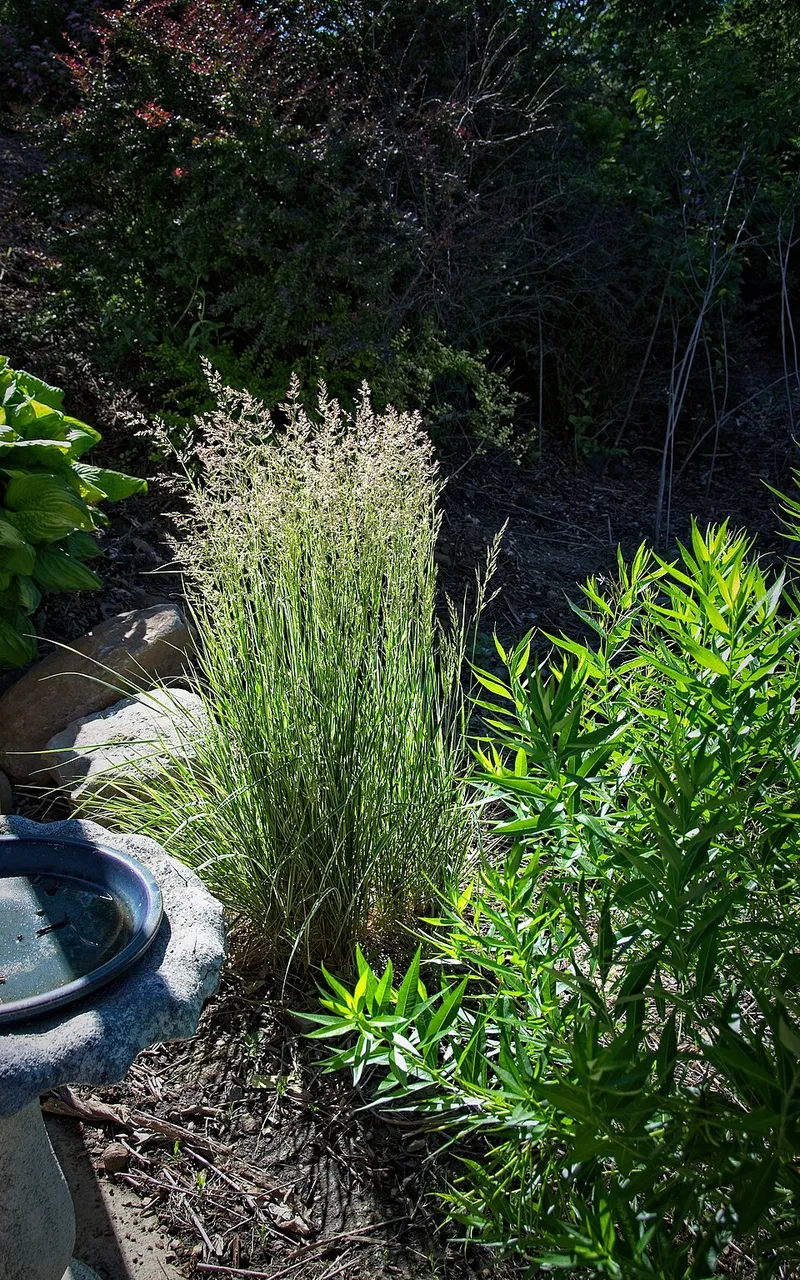
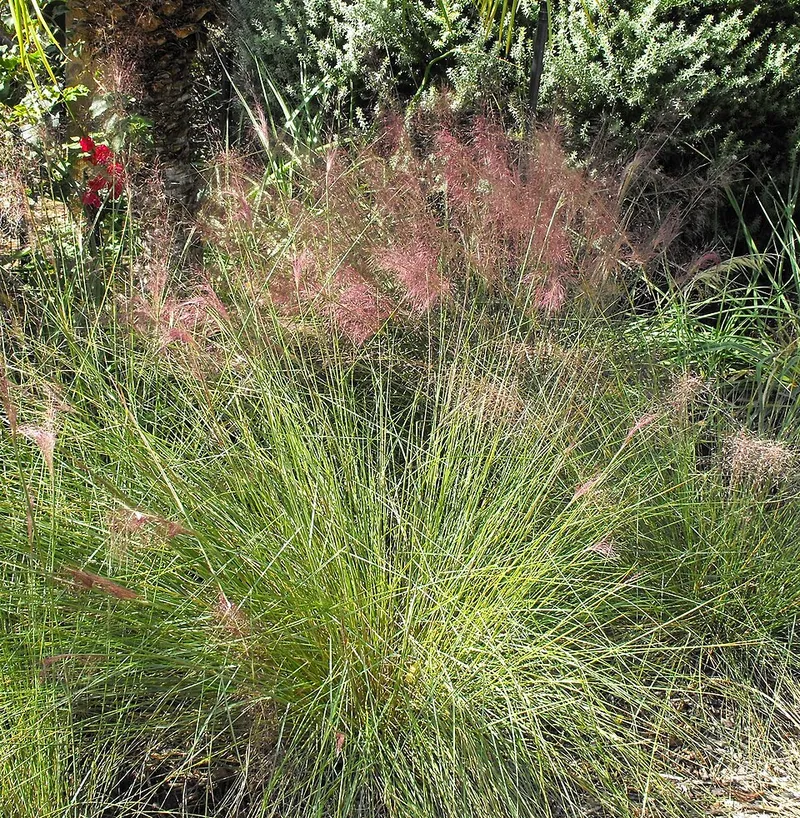
4-8 feet tall depending on cultivar; blooms August-October with silky silver-to-pink plumes that persist through winter; warm-season clump-former; older cultivars self-seed heavily, newer sterile or low-fertility cultivars ('Gracillimus', 'Morning Light') produce far less viable seed.
Propagation by division in spring; divide every 3-5 years when centers die out.
Native region: Not native to Tennessee; introduced from East Asia (China, Japan, Korea). Classified as invasive in several mid-Atlantic and southeastern states including Virginia, North Carolina, and Maryland; Tennessee does not currently list it on the TDA noxious weed list, but naturalized populations are documented in the state.
Miscanthus sinensis is widely planted across Middle Tennessee landscapes but its invasive potential is a real concern: prolific self-seeding allows escape into forest edges, roadsides, and disturbed areas where it outcompetes native vegetation. If planting, choose only sterile or low-seed cultivars and monitor for seedlings outside the planted area. Native alternatives with comparable late-season interest and no invasive risk include Panicum virgatum (switchgrass), Andropogon gerardii (big bluestem), and Sorghastrum nutans (indiangrass). Cut back to 6 inches in late winter before new growth; old crowns are woody and may require loppers or a chainsaw on large clumps.
Quick Facts
- Common Name
- Miscanthus
- Scientific Name
- Miscanthus sinensis
- Plant Type
- Ornamental Grass
- Region
- Middle Tennessee