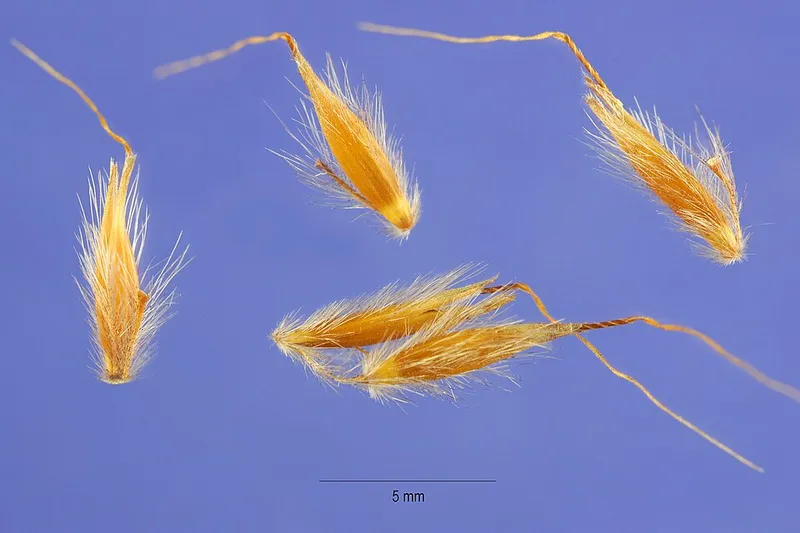
About Indiangrass
Indiangrass (Sorghastrum nutans)
Yellow Indiangrass, Wood Grass
Full sun, medium to dry moisture, tolerates clay and poor soils, pH 5.5-7.5.
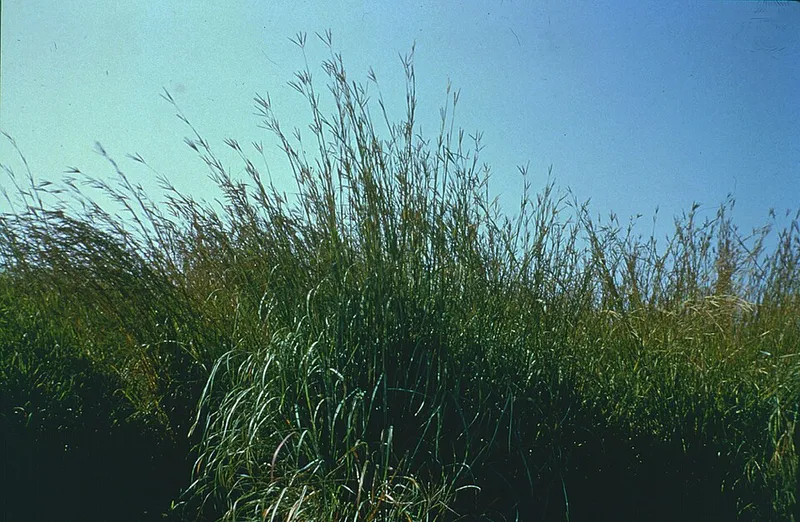
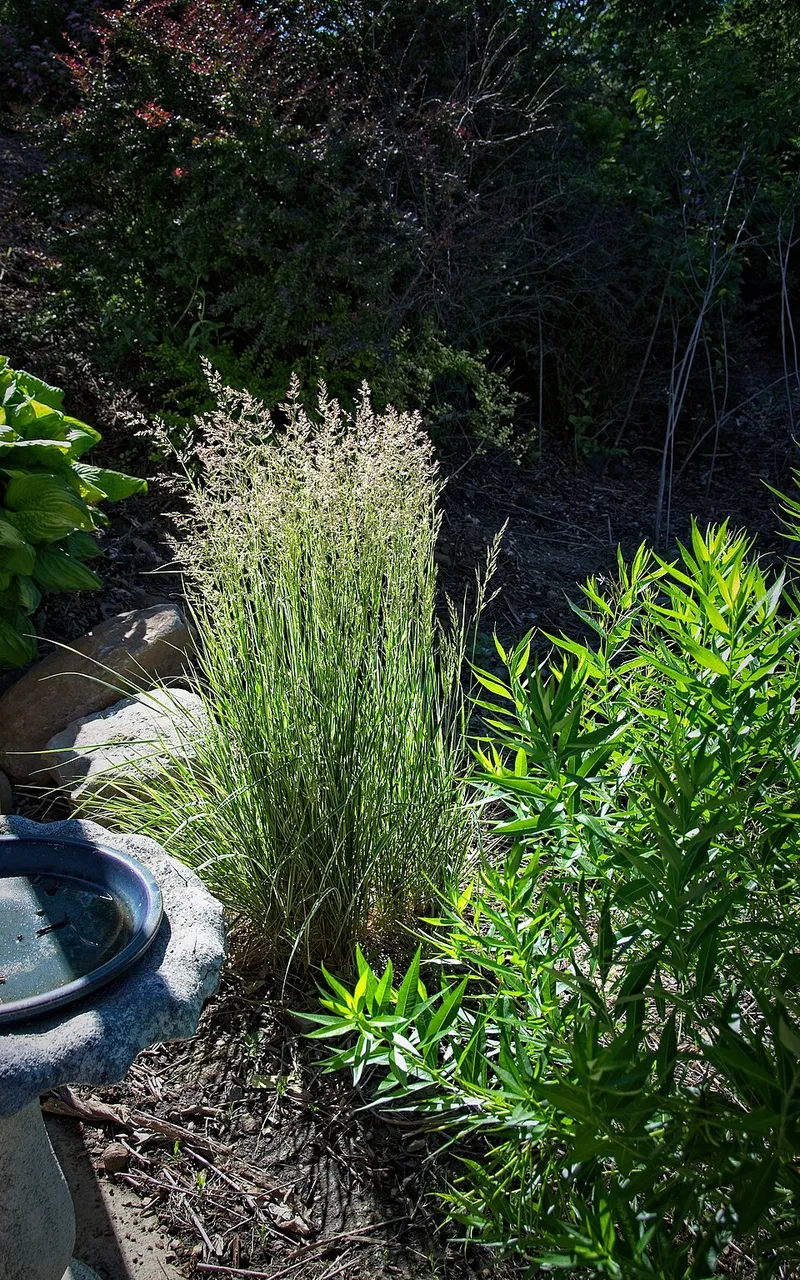
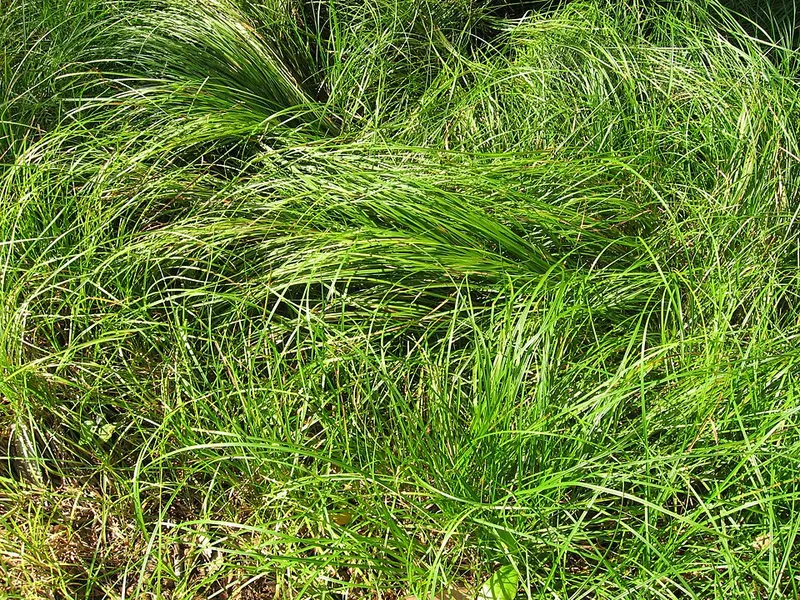
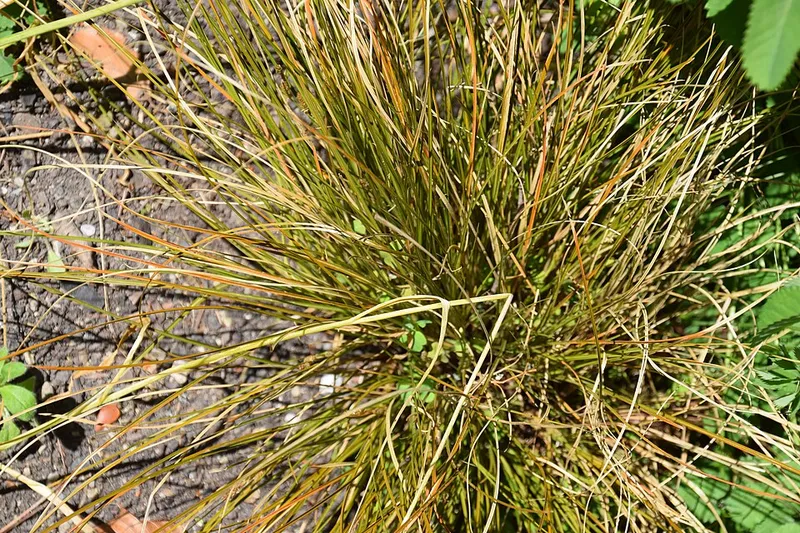
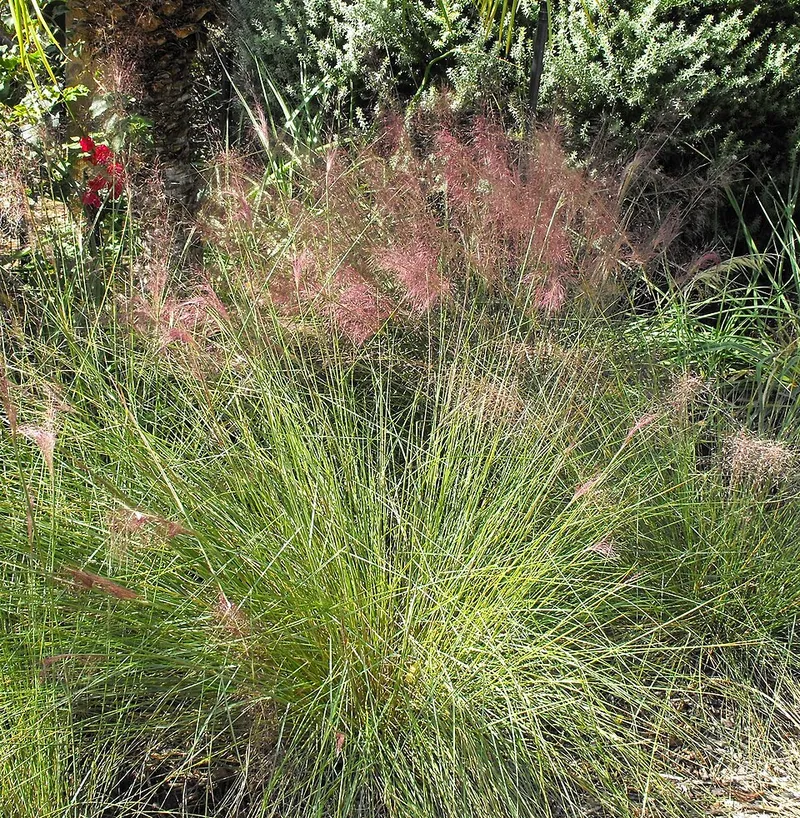
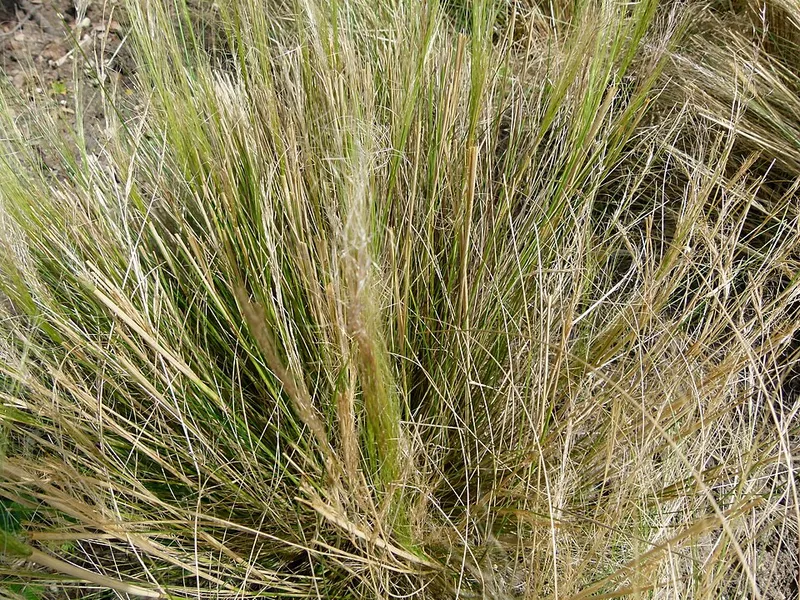
4-6 feet tall; blooms August-September with showy golden-yellow, feathery plumes; warm-season clump-former with upright habit; spreads by rhizome and moderate self-seeding; fall foliage turns orange-yellow to copper.
Germination Code: A. Direct sow in fall; plants slow to establish in year one but vigorous thereafter.
Native region: Statewide in Tennessee, historically co-dominant with Andropogon gerardii in native tallgrass prairies and in open oak woodlands across the state.
Sorghastrum nutans shares ecological space with Andropogon gerardii in Middle Tennessee's remnant prairie communities but is distinguished by showier golden plumes and slightly more compact stature. On the calcareous soils of Maury and Williamson counties it establishes dependably without amendment; in compacted clay fills common to newer residential developments around Spring Hill, adding coarse organic matter at planting speeds root penetration. Like other tall native warm-season grasses, it requires patience, first-year plants may reach only 12-18 inches while root mass develops. By year three, established clumps need no irrigation, fertilization, or pest management. Attracts sparrows, juncos, and finches for seed; larval host for several skippers.
Quick Facts
- Common Name
- Indiangrass
- Scientific Name
- Sorghastrum nutans
- Plant Type
- Ornamental Grass
- Region
- Middle Tennessee