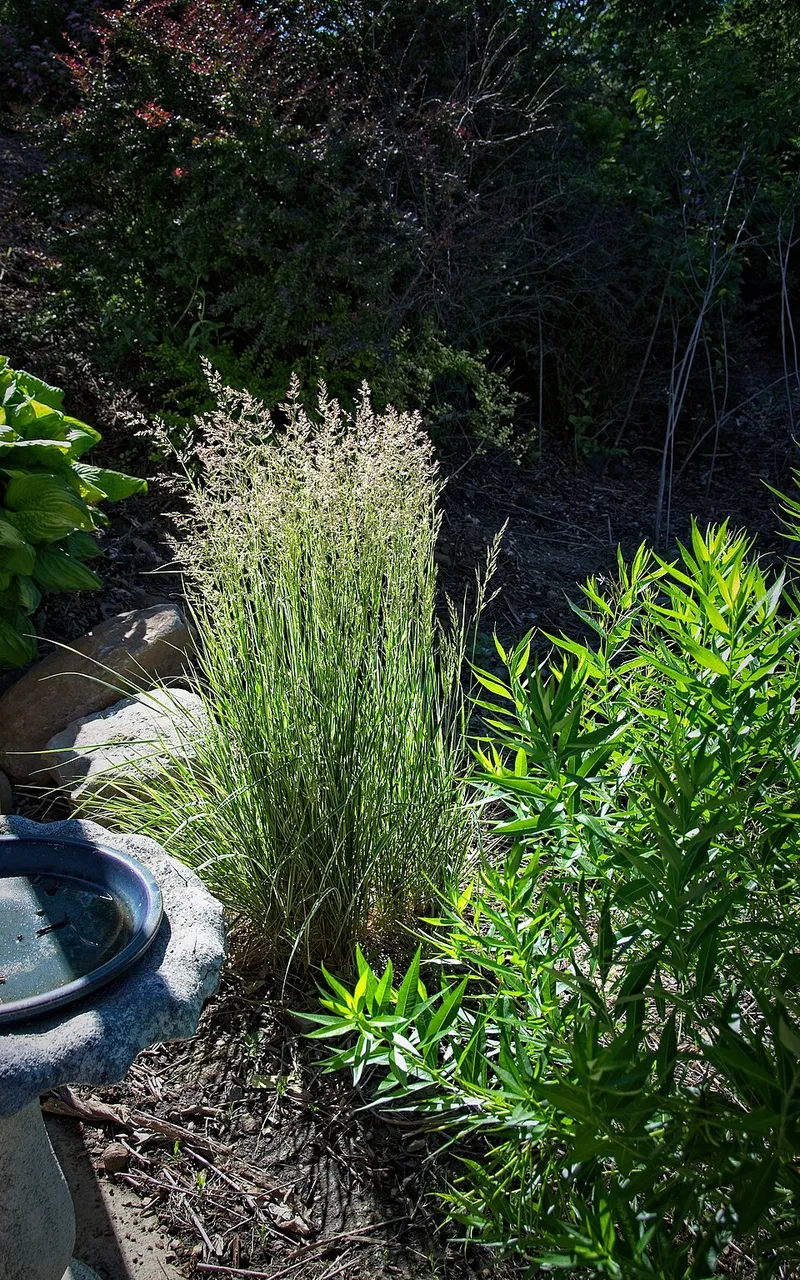
About Feather Reed Grass
Feather Reed Grass (Calamagrostis × acutiflora)
Karl Foerster Grass, Upright Feather Grass
Full sun to part shade, medium to moderately moist, tolerates clay soils, pH 5.5-7.0.
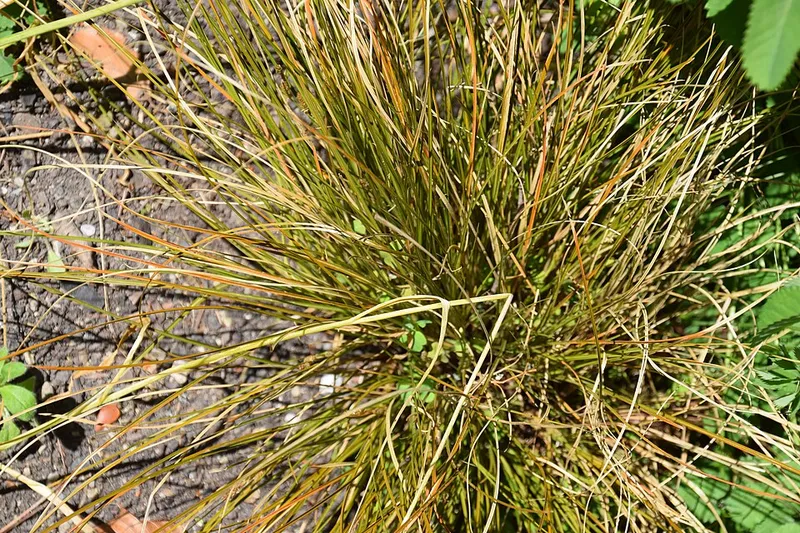
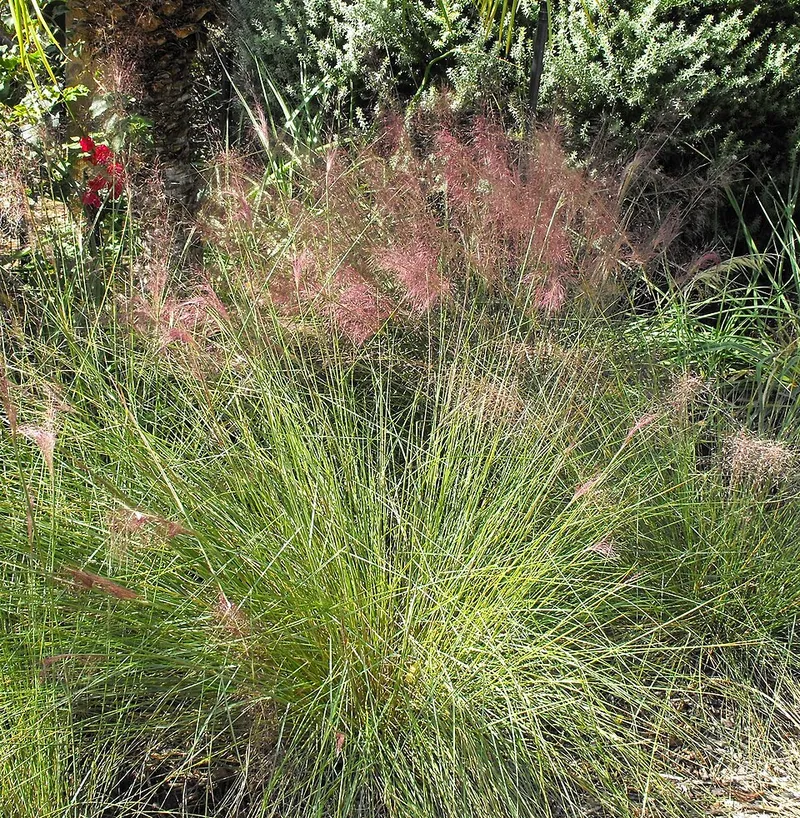
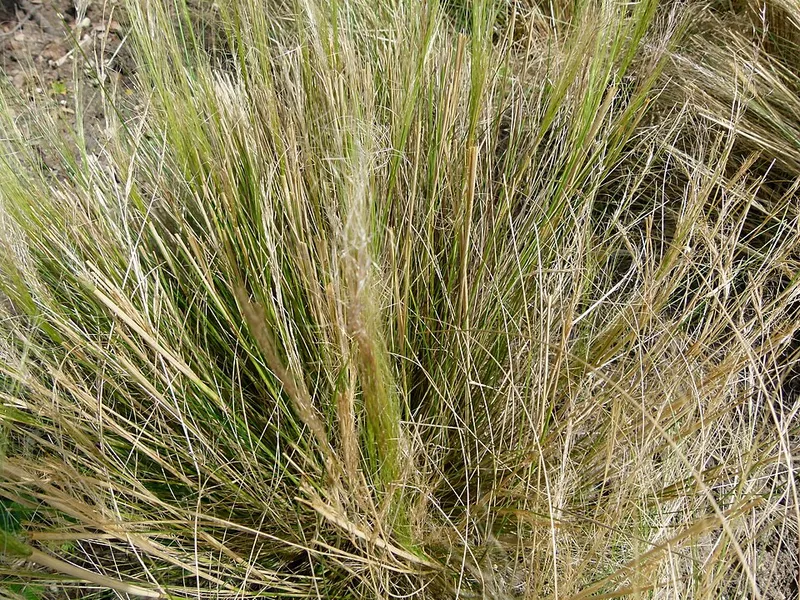
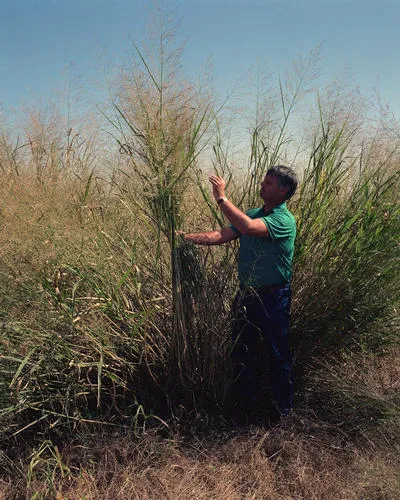
3-5 feet tall (flower stems to 6 feet), blooms June-July with feathery pink-bronze plumes that dry to wheat-gold and persist through winter; cool-season clump-former, sterile hybrid, does not self-seed; spreads only by clump expansion.
Propagation by division in spring; clumps rarely need dividing in Middle Tennessee.
Native region: Not native to Tennessee; sterile cultivated hybrid of European origin (C. arundinacea × C. epigejos).
Calamagrostis × acutiflora 'Karl Foerster' is among the most structurally reliable ornamental grasses for Middle Tennessee landscapes, its strongly upright, narrow form (12-18 inches wide at the base) fits tight borders without sprawling. Because it is sterile, there is no invasive seed concern, which distinguishes it sharply from Miscanthus sinensis or Pennisetum species. The cool-season growth pattern means it emerges early in spring and blooms before summer heat peaks, then holds its dried plumes as a vertical winter accent. In humid Columbia summers, the base can develop minor crown rot if planted in heavy clay with poor drainage; amend at planting or site on a slight grade. Cut back hard to 4-6 inches in late winter before new growth begins.
Quick Facts
- Common Name
- Feather Reed Grass
- Scientific Name
- Calamagrostis x acutiflora
- Plant Type
- Ornamental Grass
- Region
- Middle Tennessee