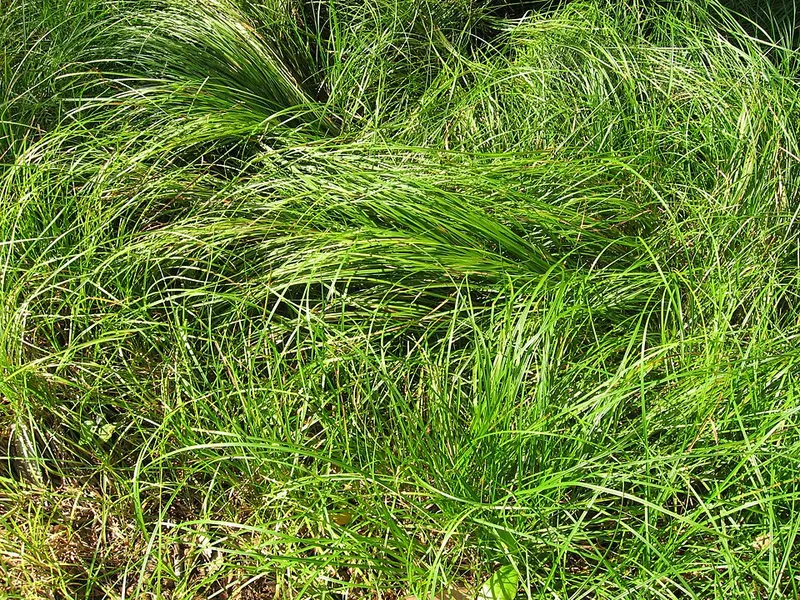
About Pennsylvania Sedge
Pennsylvania Sedge (Carex pensylvanica)
Penn Sedge, Oak Sedge
Part to full shade, dry to medium moisture, tolerates clay and dry woodland soils, pH 4.5-6.5.
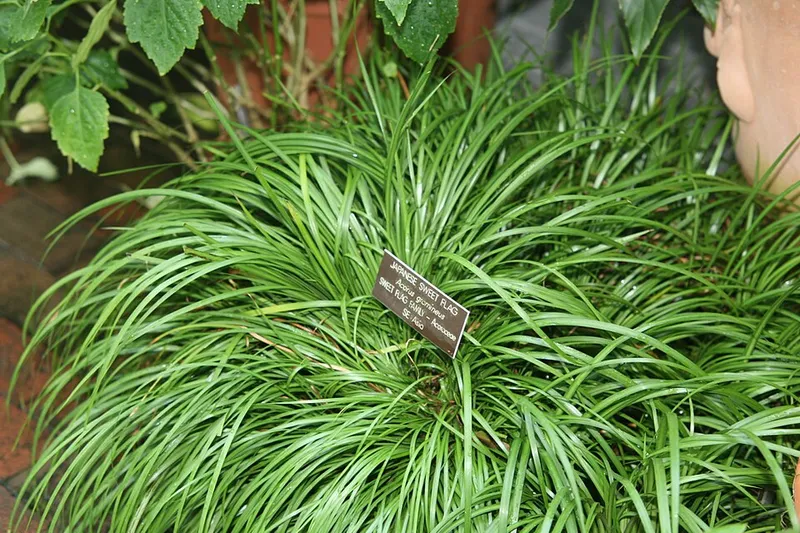
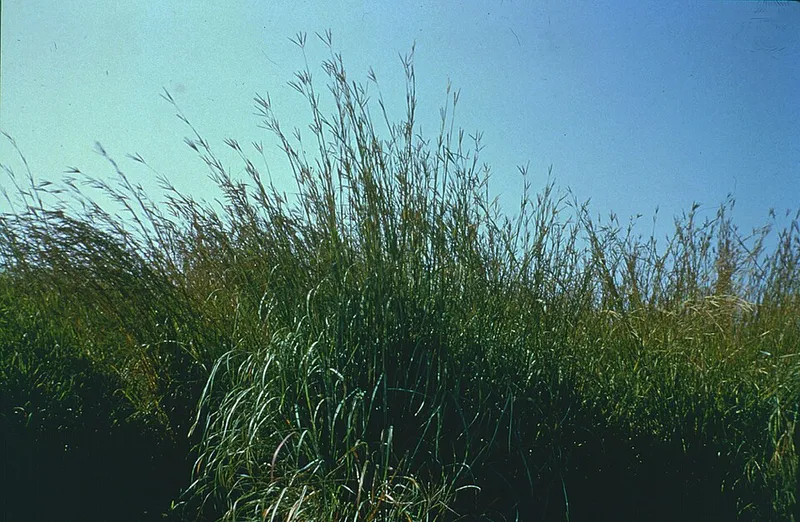
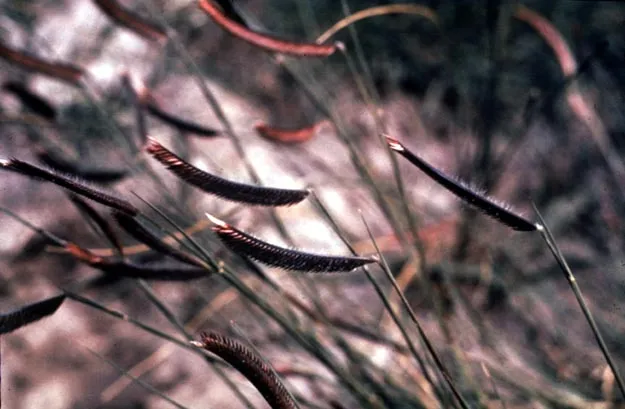
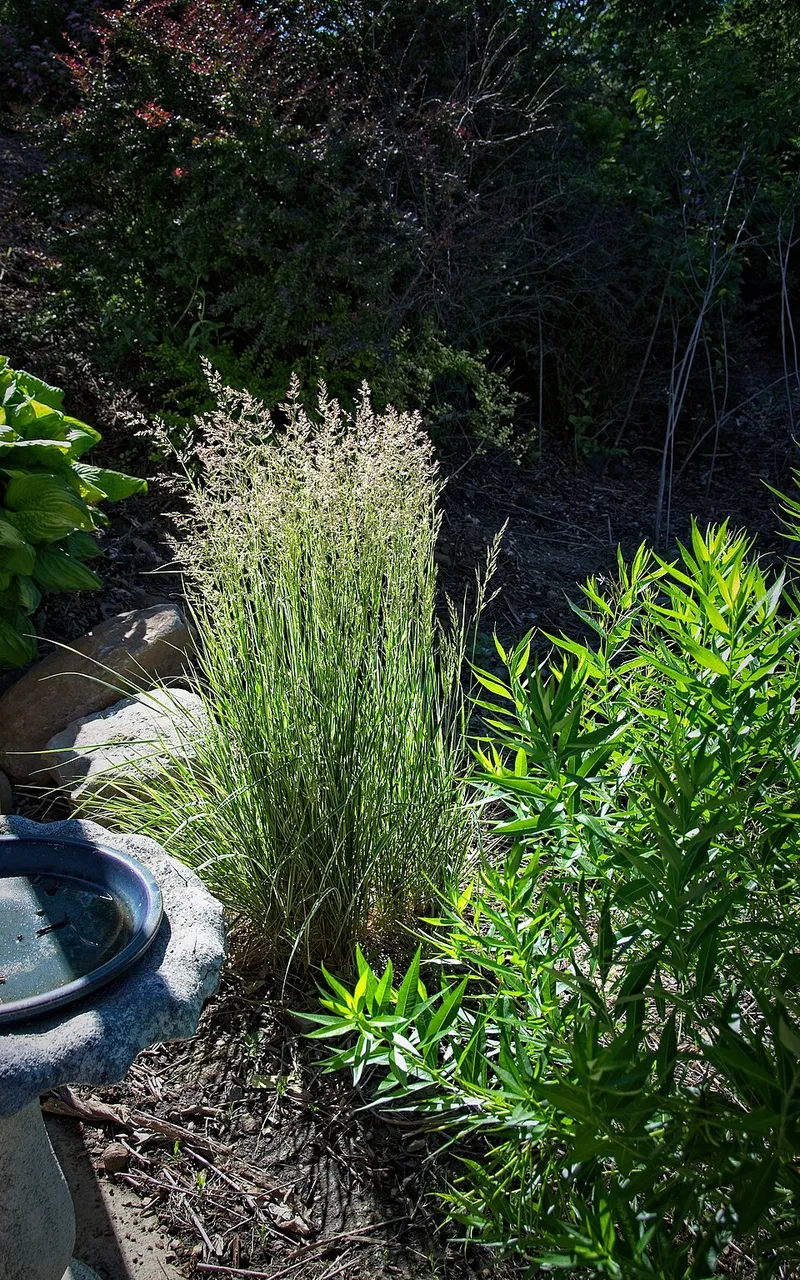
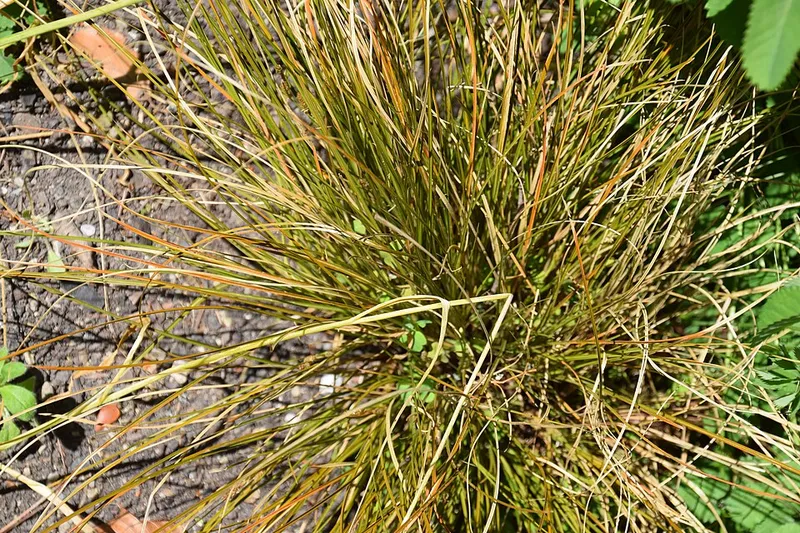
6-12 inches tall; inconspicuous spring flowers; slowly spreads by rhizome to form a fine-textured ground-cover mat; semi-evergreen in Zone 6b/7a.
Propagation by division in spring or fall; plugs spaced 12 inches apart fill in within 2-3 seasons.
Native region: Statewide in Tennessee, most common in dry to mesic oak-hickory woodlands and forest edges.
Carex pensylvanica is one of the best-documented native alternatives to turfgrass for dry, shaded sites in Middle Tennessee, specifically the dappled-to-dense shade cast by mature oaks and hickories that dominate residential lots across the I-65 corridor. Unlike turfgrass, it does not require irrigation, fertilization, or mowing to remain presentable; an optional single cut in early spring removes winter-burned tips. On the heavy clay profiles common in Columbia and Spring Hill, it establishes more reliably than most woodland sedges given its tolerance of both compaction and dry periods between rains. Not a lawn replacement for full-sun areas, it yellows and thins rapidly without adequate shade.
Quick Facts
- Common Name
- Pennsylvania Sedge
- Scientific Name
- Carex pensylvanica
- Plant Type
- Ornamental Grass
- Region
- Middle Tennessee