About Blue Grama Grass
Blue Grama Grass (Bouteloua gracilis)
Mosquito Grass, Eyelash Grass
Full sun, dry to moderately dry, well-drained soils preferred, tolerates clay if drainage is adequate, pH 6.0-8.0.
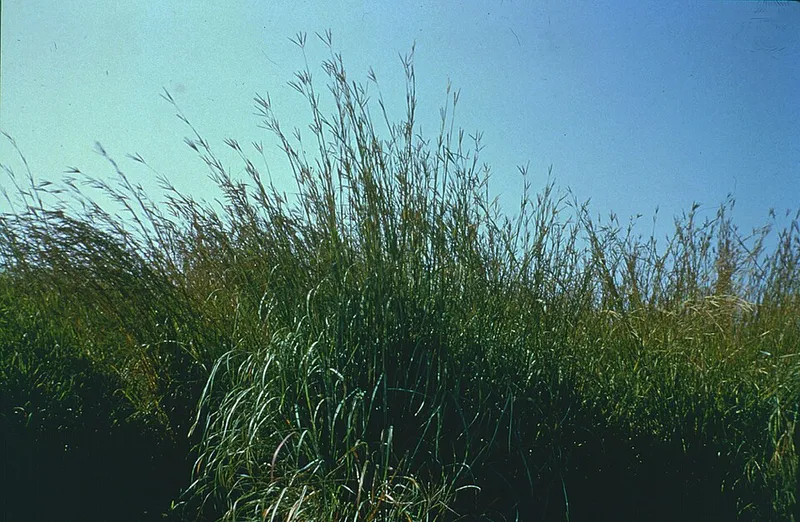
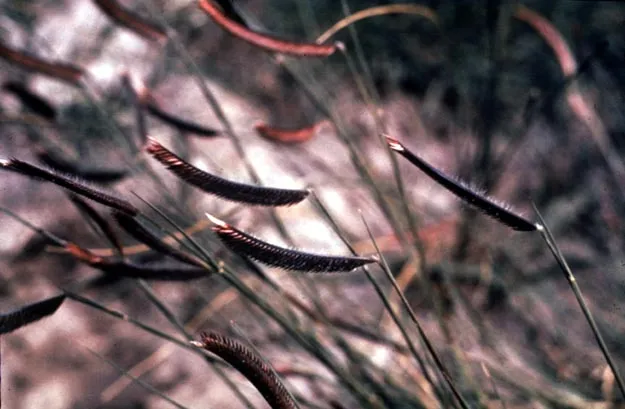
1-2 feet tall, blooms July-September; seed heads are distinctive horizontal combs held perpendicular to the stem; warm-season clump-former, spreads modestly by self-seeding.
Germination Code: A. Direct sow in spring after last frost; germinates readily without pretreatment.
Native region: Not native to Tennessee in meaningful numbers; native to the Great Plains short-grass prairie, occasionally naturalized in dry limestone outcrops in Middle Tennessee.
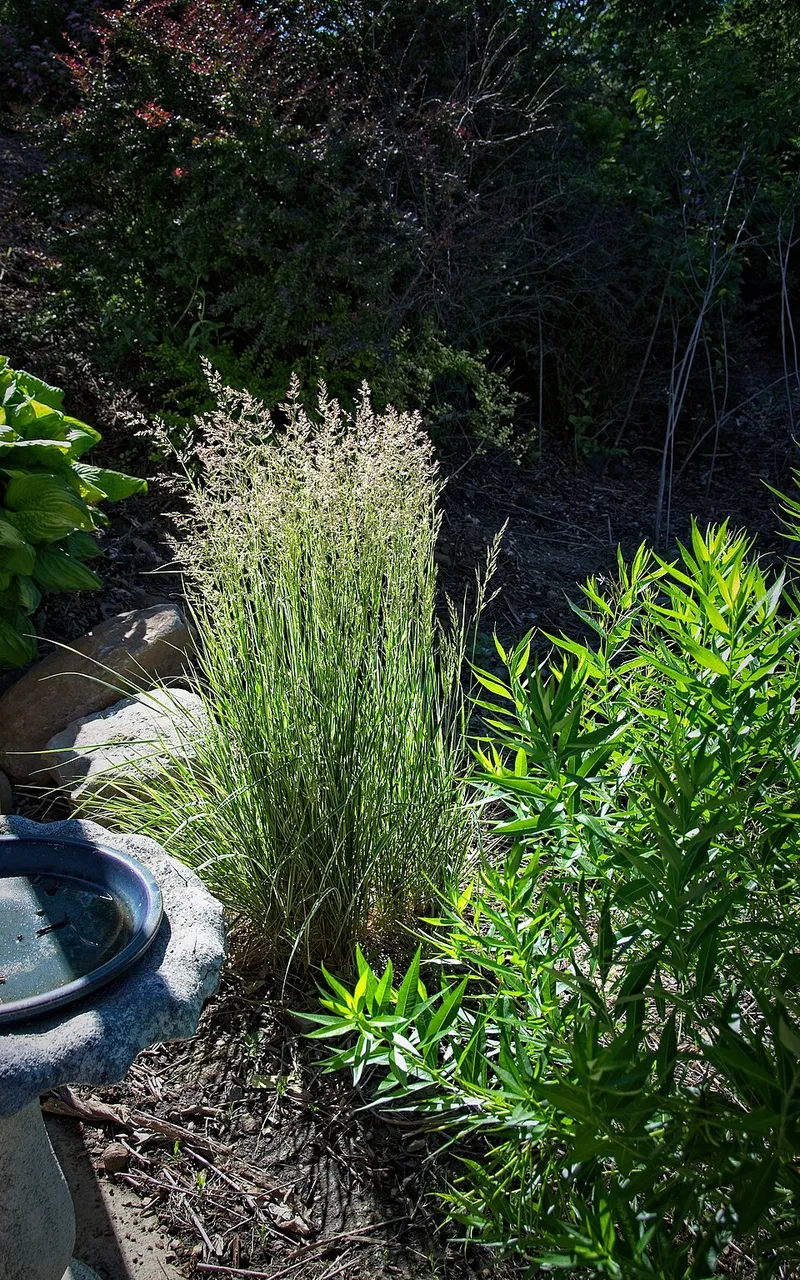
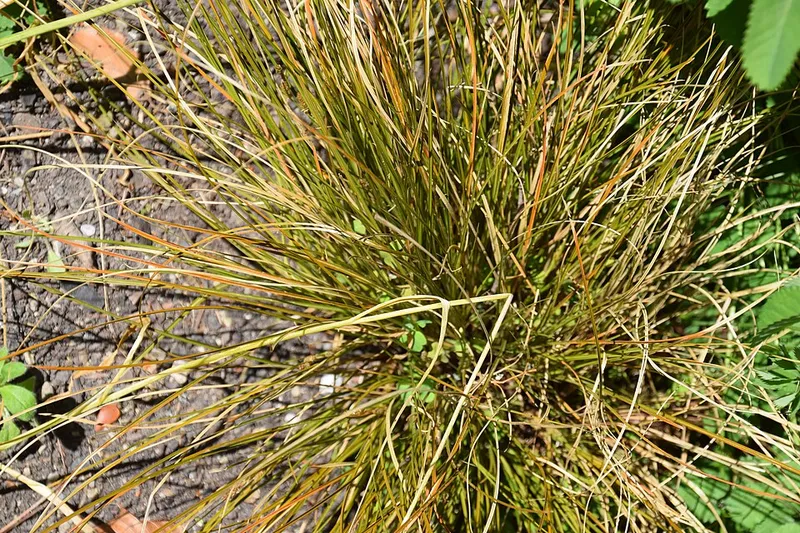
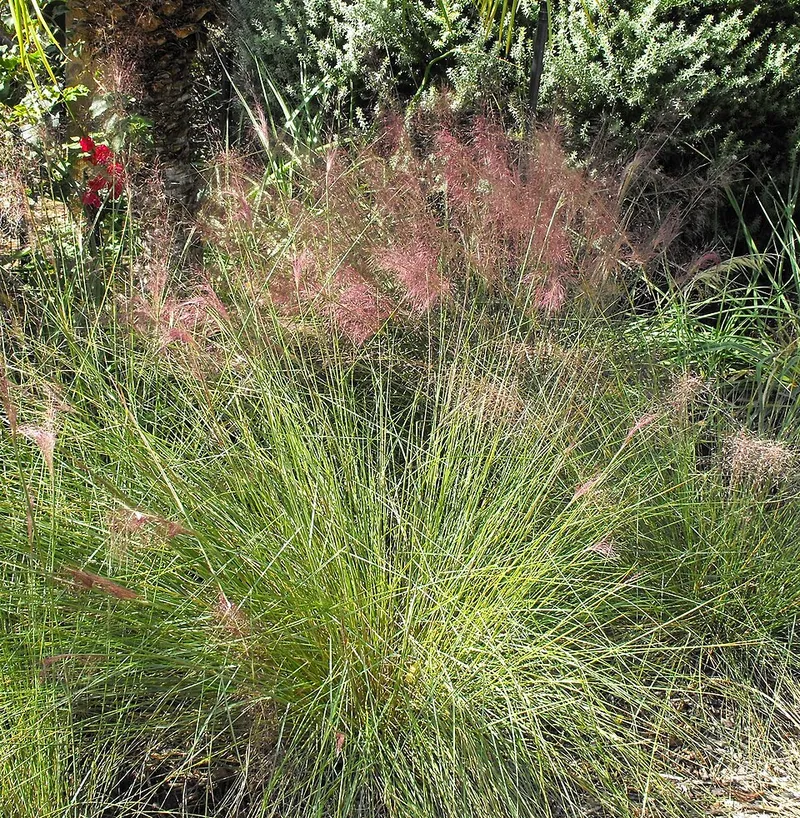
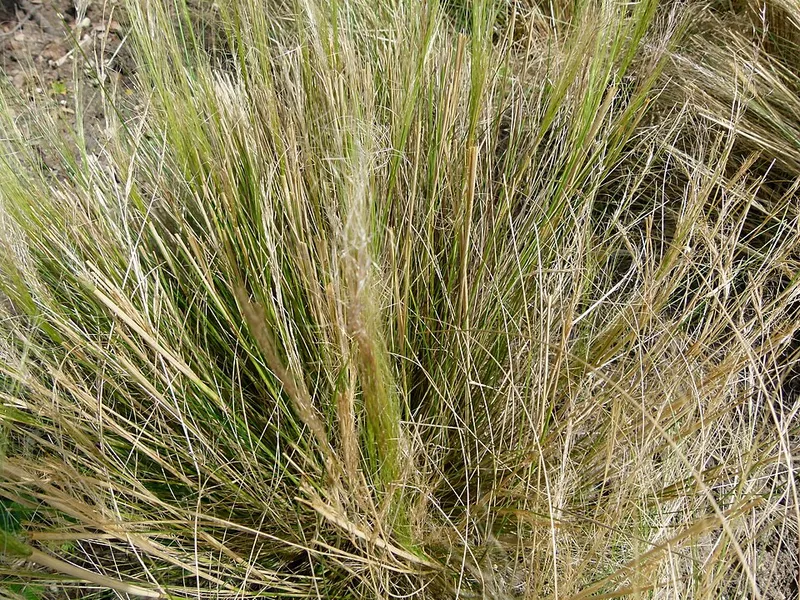
At 12-18 inches, Bouteloua gracilis is one of the shortest ornamental grasses in this category, its comb-like seed heads at eye level in a border planting are more striking per inch than nearly any other grass. In Middle Tennessee it performs best on the well-drained, calcareous soils around the I-65 limestone corridor; it will rot in the consistently wet clay profiles common in low-lying Columbia yards. Plant in raised beds or south-facing slopes. Once established it is highly drought-tolerant and requires essentially no supplemental irrigation or fertilization; excess fertility produces floppy stems. A functional short-grass prairie substitute where space is limited.
Quick Facts
- Common Name
- Blue Grama Grass
- Scientific Name
- Bouteloua gracilis
- Plant Type
- Ornamental Grass
- Region
- Middle Tennessee