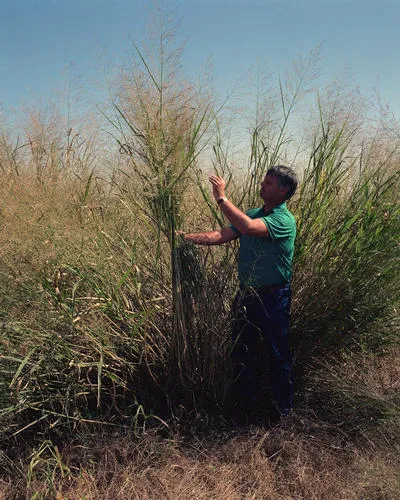
About Switchgrass
Switchgrass (Panicum virgatum)
Tall Panic Grass, Wobsqua Grass
Full sun to part shade, wet to dry moisture, exceptional soil adaptability including clay, sand, and standing water, pH 5.0-7.5.
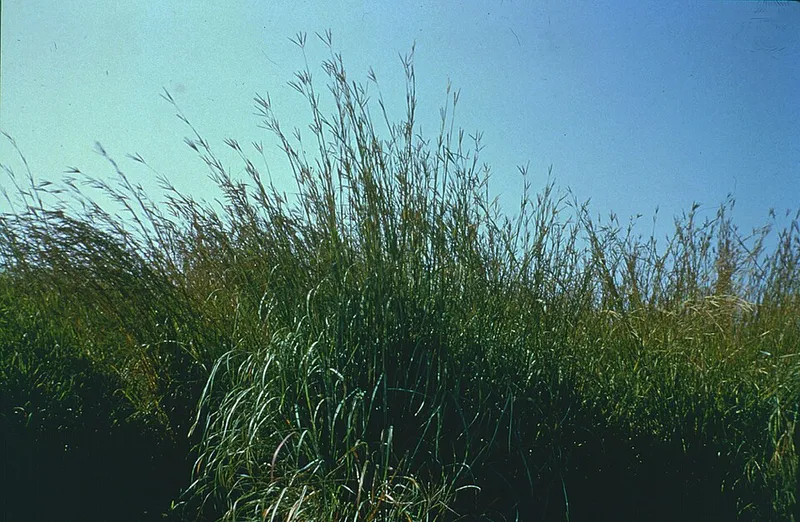
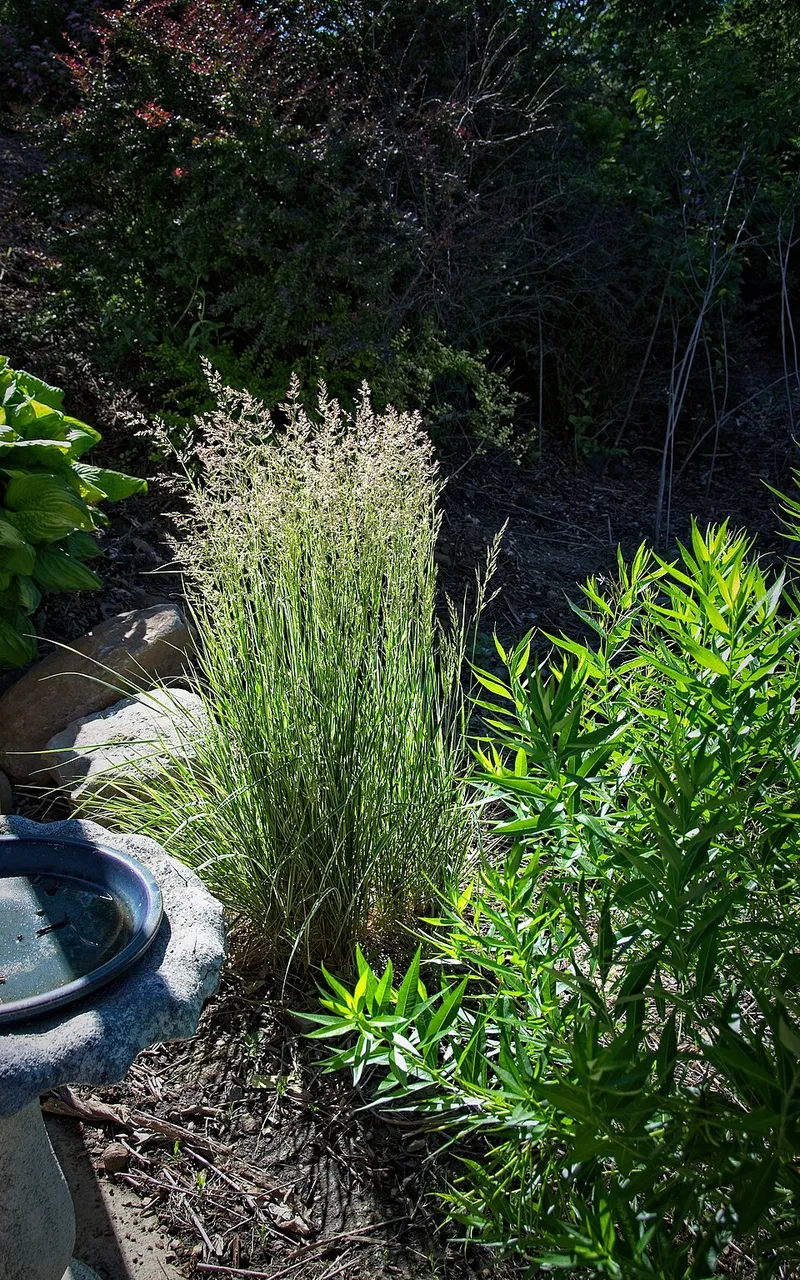
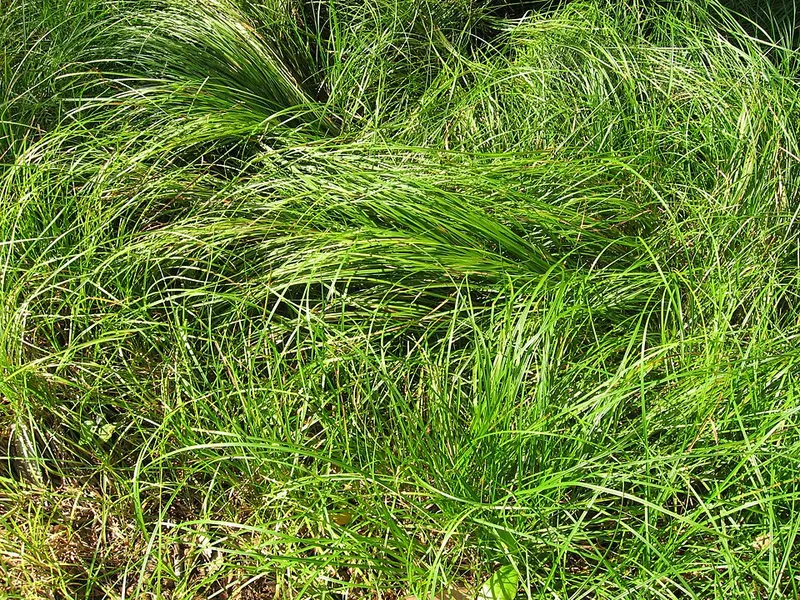
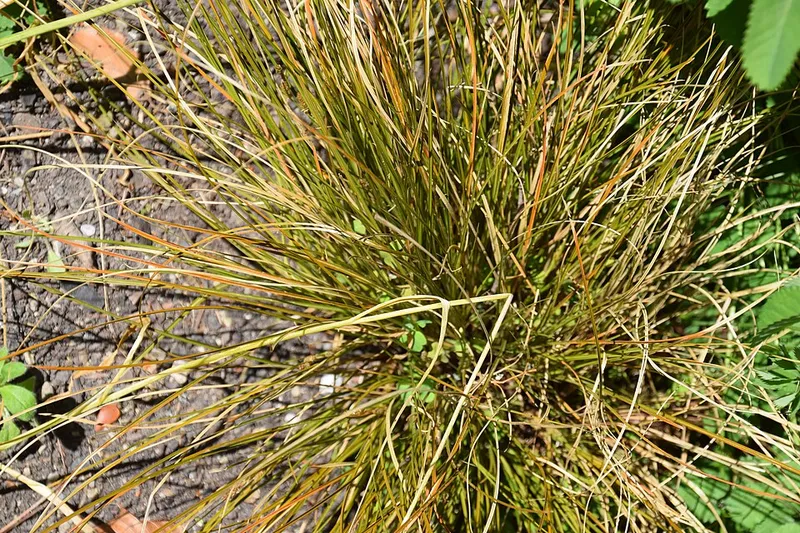
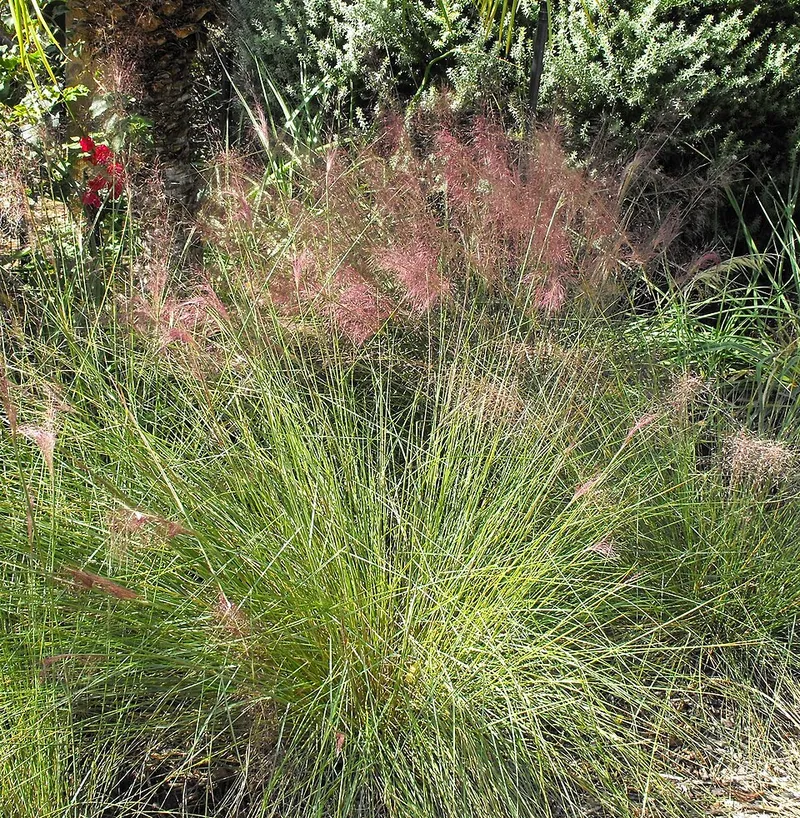
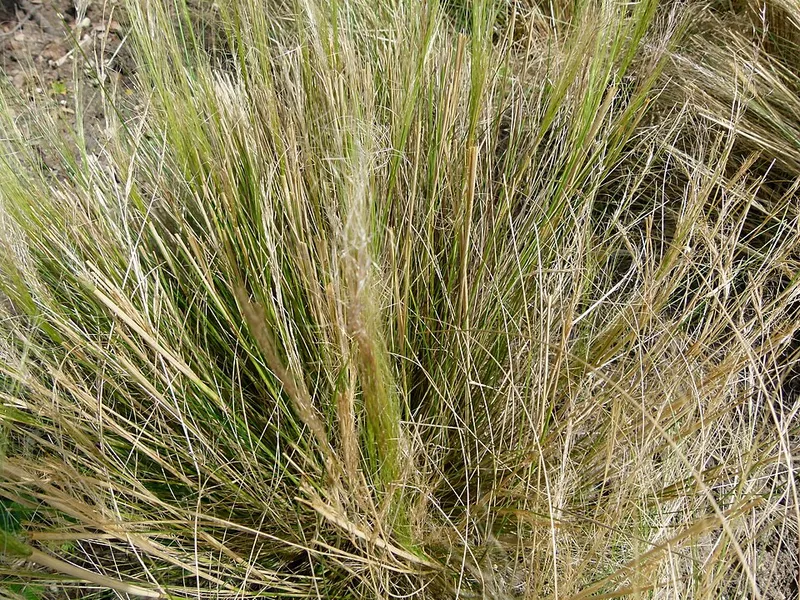
3-6 feet tall depending on cultivar; blooms July-September with airy, open panicles that dry to a reddish-tan; warm-season clump-former, spreads by rhizome and self-seeding; fall color varies by cultivar from yellow to deep burgundy-red.
Wild-type grown from seed with no pretreatment (Germination Code A); named cultivars such as 'Shenandoah' and 'Rotstrahlbusch' propagated by division in spring to maintain true foliage color.
Native region: Statewide in Tennessee, from bottomland prairies and wet meadows to dry upland sites, one of the most ecologically flexible native grasses in the state.
Panicum virgatum's adaptability to the full range of Middle Tennessee soil conditions, from the dense Maury silt loams near Columbia to seasonally flooded clay flats, makes it the most versatile native prairie grass for practical landscape use. Red-foliaged cultivars ('Shenandoah', 'Rotstrahlbusch') hold their color through fall on the I-65 corridor's Zone 6b/7a climate. In heavy shade or with excess nitrogen it tends to flop; full sun and lean soil maintain the tight, upright form. Cut back to 6 inches in late winter. Supports over 35 species of skipper and satyr butterfly larvae; seeds heavily used by sparrows and finches through winter.
Quick Facts
- Common Name
- Switchgrass
- Scientific Name
- Panicum virgatum
- Plant Type
- Ornamental Grass
- Region
- Middle Tennessee