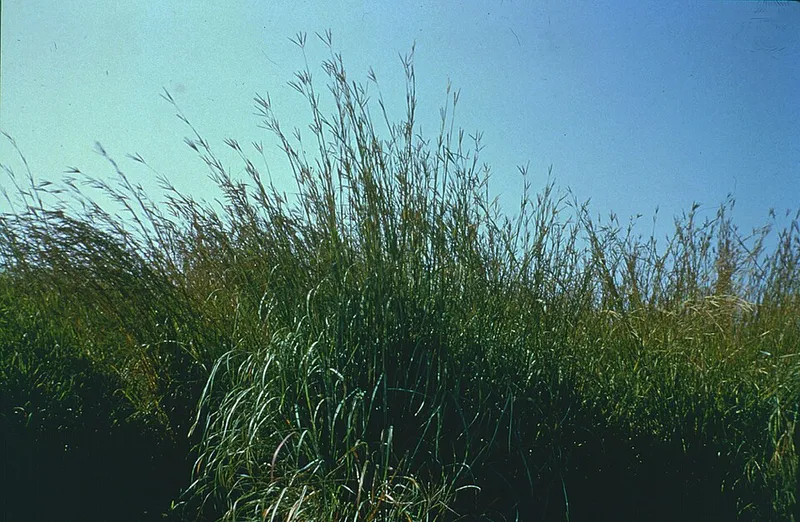
About Big Blue Stem
Big Blue Stem (Andropogon gerardii)
Turkey Foot, Tall Bluestem
Full sun, medium to dry moisture, tolerates clay and poor soils, pH 5.5-7.5.
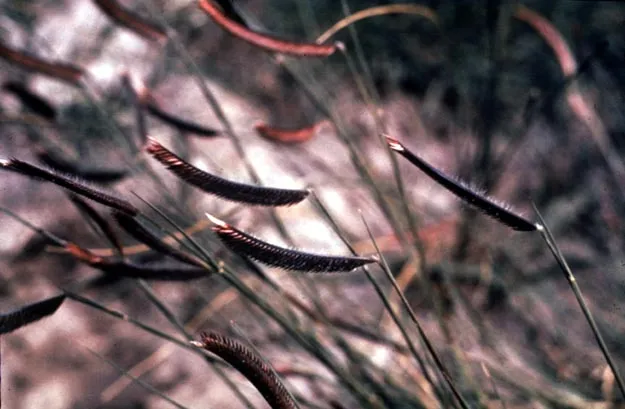
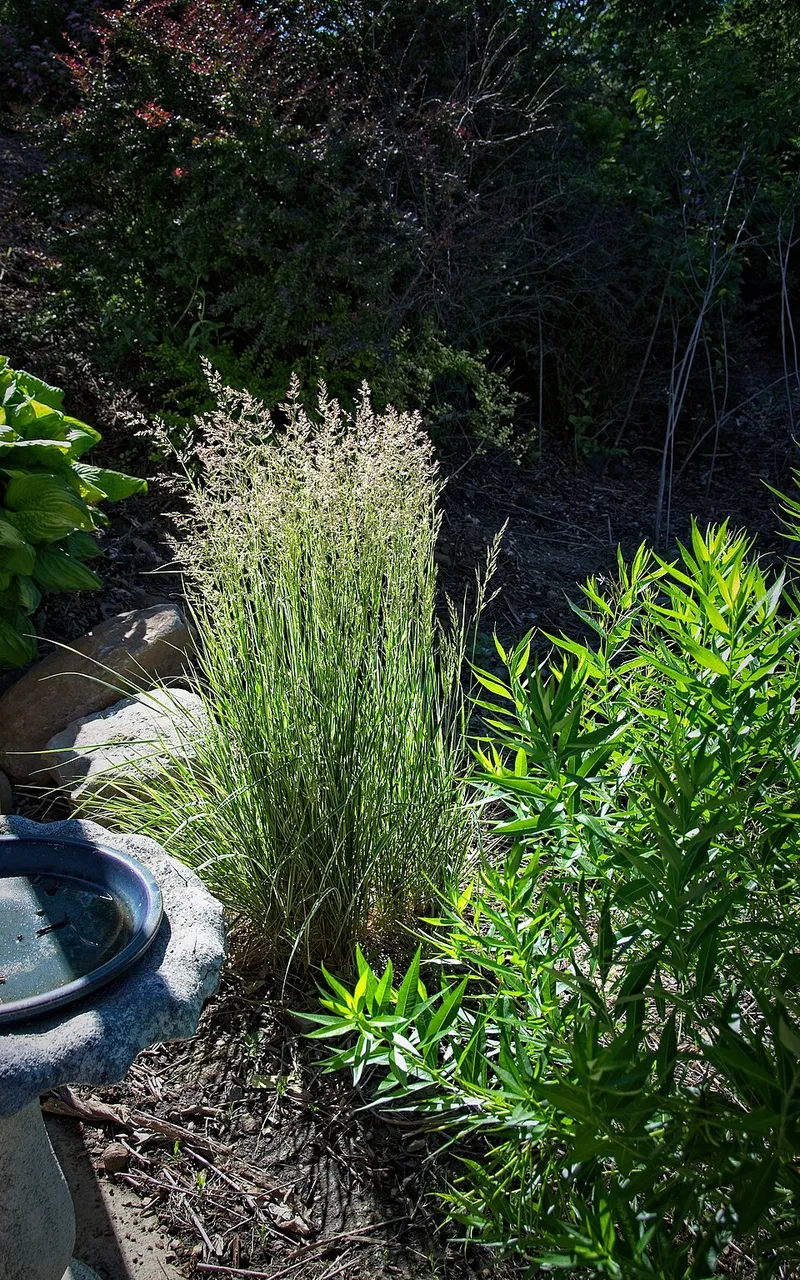
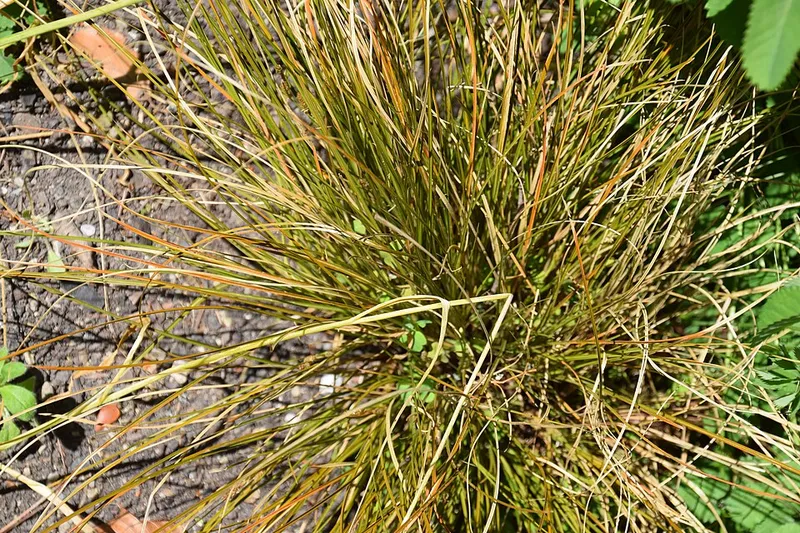
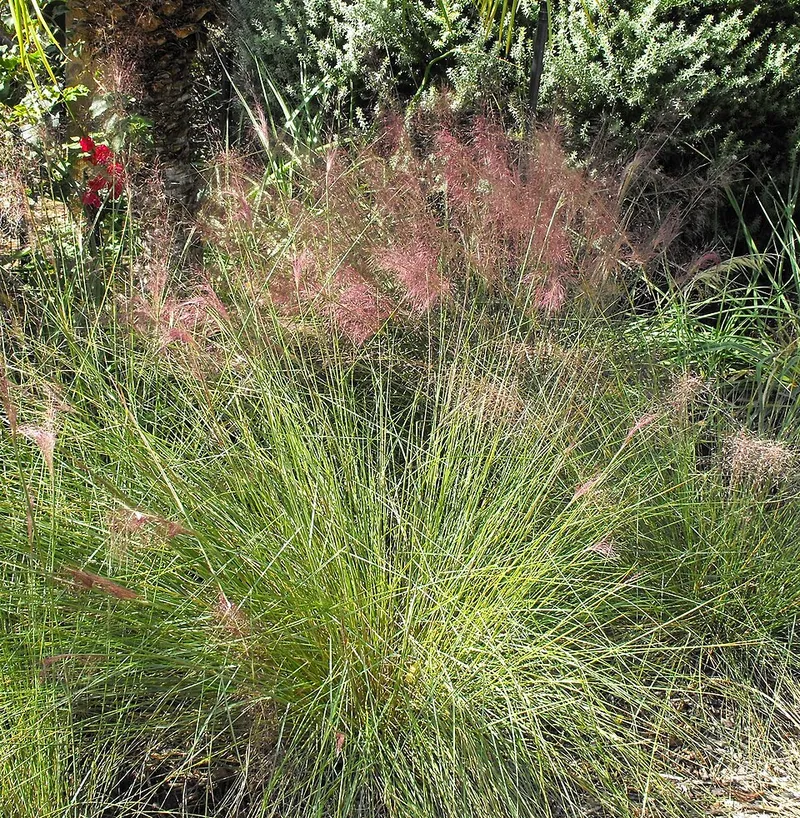
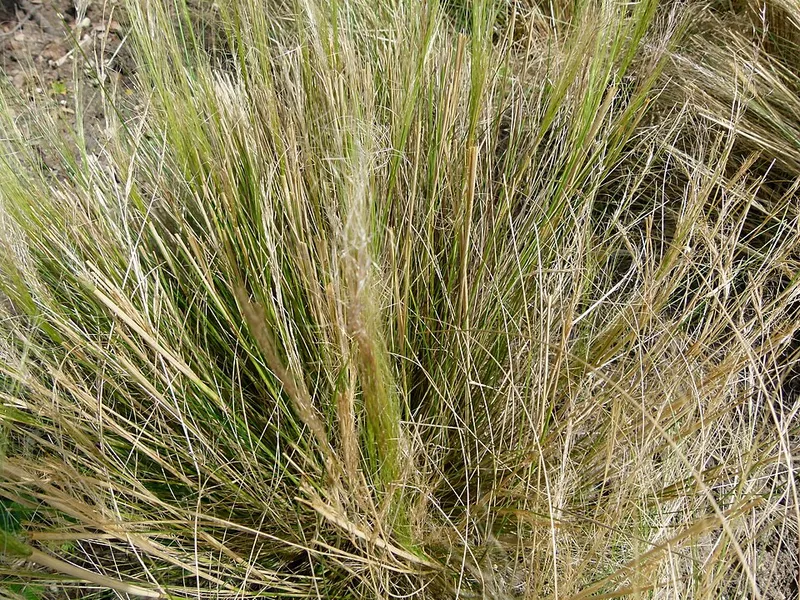
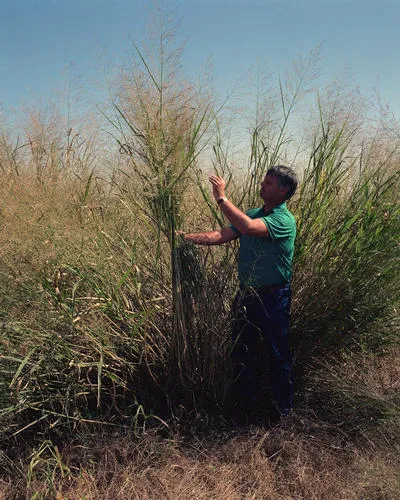
4-7 feet tall, blooms August-September with distinctive three-parted ('turkey foot') seed heads; warm-season clump-former, spreads slowly by rhizome and self-seeding; fall color bronze to reddish-orange.
Seeds require no pretreatment (Germination Code A); direct-sow in fall or spring. Division in spring is the preferred propagation method for named cultivars.
Native region: Statewide in Tennessee, historically dominant in Middle Tennessee's prairie remnants and open savannas.
Andropogon gerardii is the tallest of Tennessee's native prairie grasses, historically forming the backbone of Midwestern tallgrass systems that once extended into Middle Tennessee's cedar glades and limestone barrens. Its deep fibrous root system, reaching 6 feet or more, makes it exceptional at anchoring clay banks and resisting drought once established; the first season is slow while roots develop. In Columbia-area clay soils, established clumps require no irrigation and minimal fertilization. The distinctive turkey-foot seed head and blue-green summer foliage make it a strong visual anchor in naturalistic plantings. Attracts grassland birds for seed; larval host for several skipper butterfly species.
Quick Facts
- Common Name
- Big Blue Stem
- Scientific Name
- Andropogon gerardii
- Plant Type
- Ornamental Grass
- Region
- Middle Tennessee