About June bug larvae
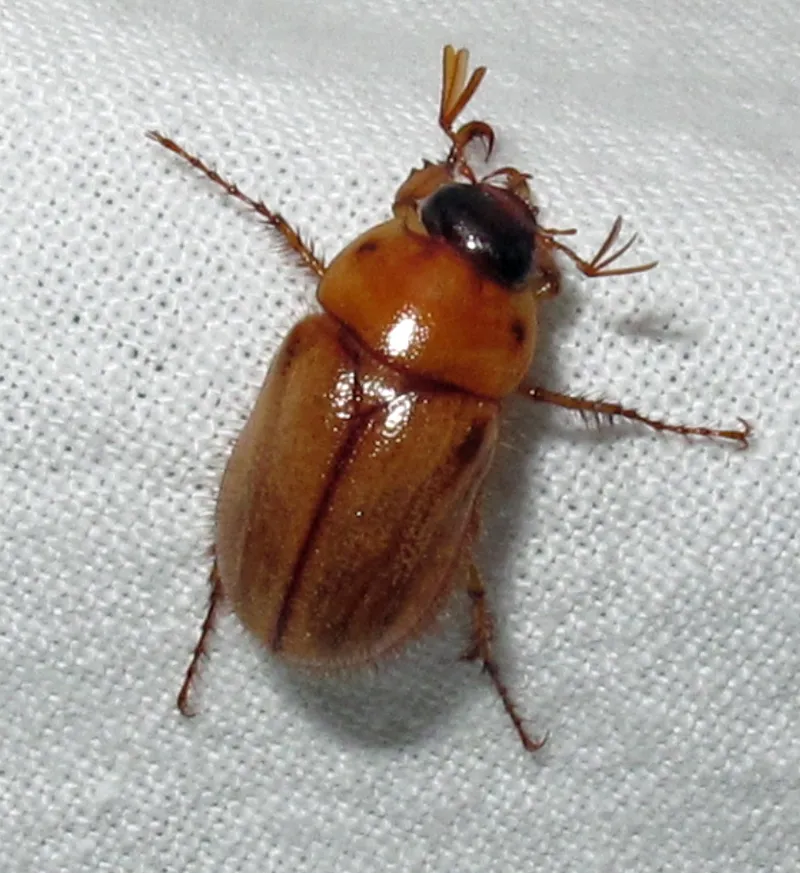
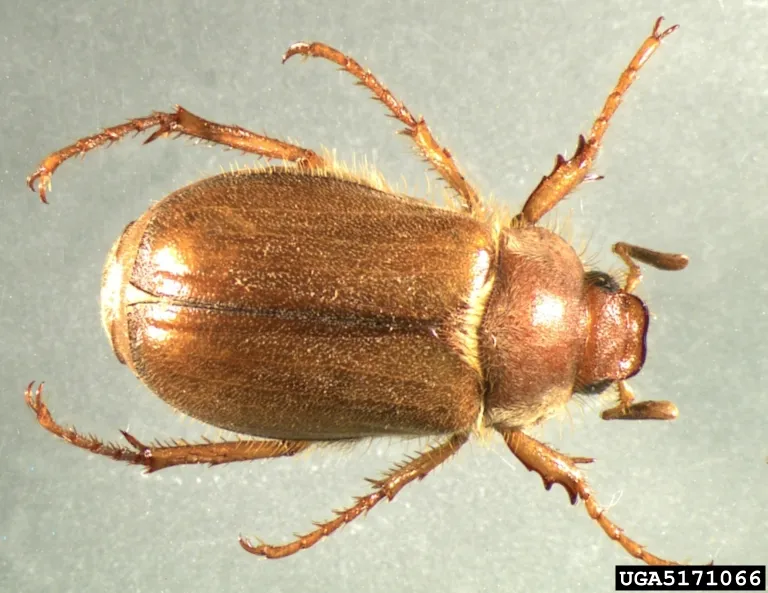
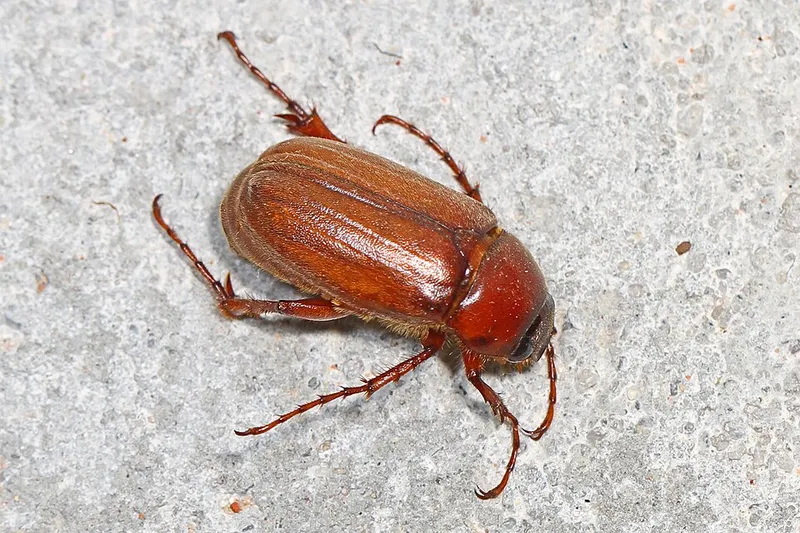
June bugs, the genus Phyllophaga, with dozens of species in Tennessee, are the large, clumsy brown beetles that smack into porch lights and windows on warm spring and early summer nights. Every homeowner knows them. What most don't realize is that the fat, C-shaped white grub they pull out of their garden bed is the larval stage of that same beetle, and those grubs are feeding on the roots of their fescue lawn from late summer through the following spring.
Phyllophaga has a two- to three-year lifecycle, which sets it apart from most other white grub species in Middle Tennessee. Adults emerge in spring, feed on tree foliage at night, mate, and lay eggs in the soil through May and June. First-year larvae are small and spend summer feeding lightly on organic matter and fine roots. Second-year larvae are the damaging ones, fat, white, over an inch long, with a distinct tan head capsule and a characteristic raster pattern on the underside. These second-year grubs are present in the soil during August and September and can severely damage fescue root systems. In some species, a third year of larval development occurs before pupation. This extended belowground phase means there is always a Phyllophaga population at some stage in a given lawn, with peak root damage from second-year larvae in midsummer.
In the Columbia-to-Franklin corridor, June bug larvae are among the most common white grub species I see when I dig into a lawn showing August brown patch that turns out to be root loss rather than fungal disease. The two symptoms look similar from the street, irregular tan or straw-colored patches, but grub damage peels, and disease doesn't. Pull a handful of affected turf. If the roots are gone and it rolls back like sod, that's grubs.
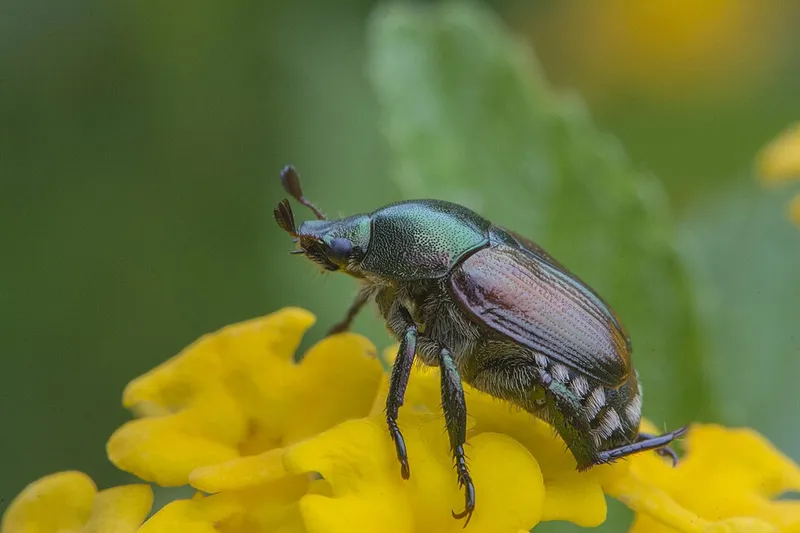
The same preventive chlorantraniliprole application that covers masked chafer and Japanese beetle larvae handles Phyllophaga as well. May timing is key, the chemistry needs to be in the plant tissue before second-year grubs resume feeding as temperatures warm. Because Phyllophaga's multi-year lifecycle means grubs of multiple ages are always present, consistent annual applications are especially valuable here. The residual carryover from year to year adds up. Rescue treatments applied after damage appears in August are far less reliable on mature Phyllophaga larvae than a clean preventive application made in spring.
Quick Facts
- Common Name
- June bug larvae
- Scientific Name
- Phyllophaga spp.
- Category
- Turf Pest
- Region
- Middle Tennessee