About Japanese beetle larvae
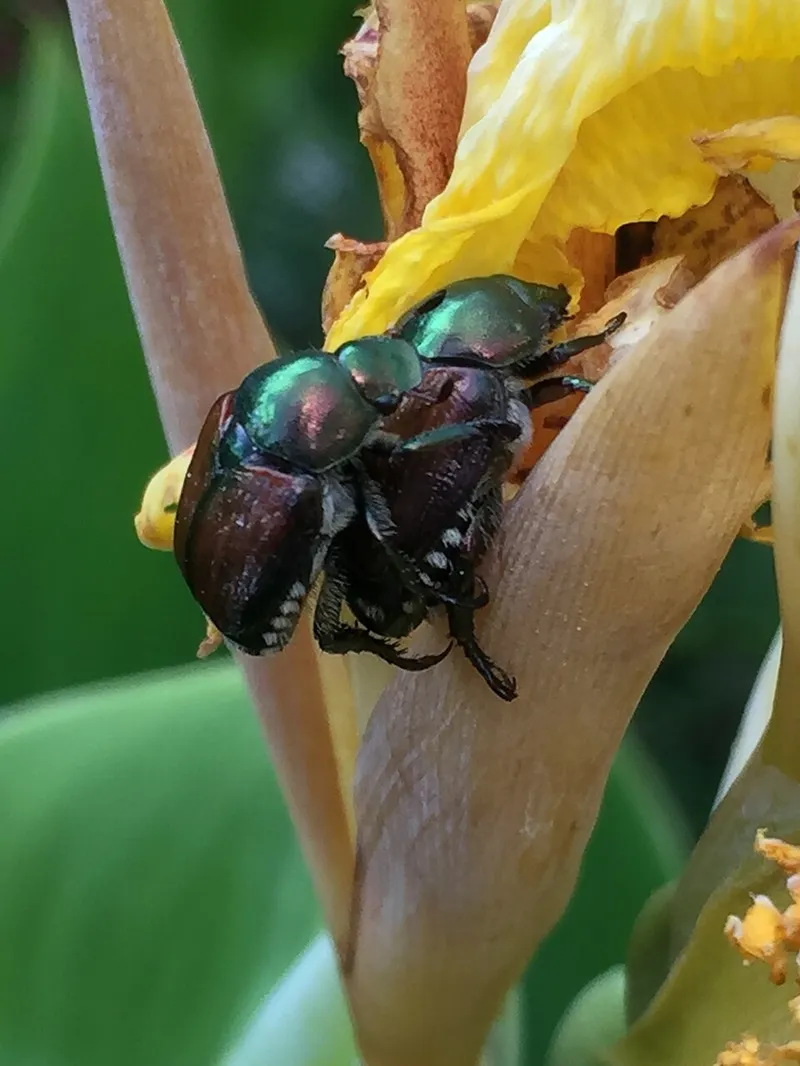
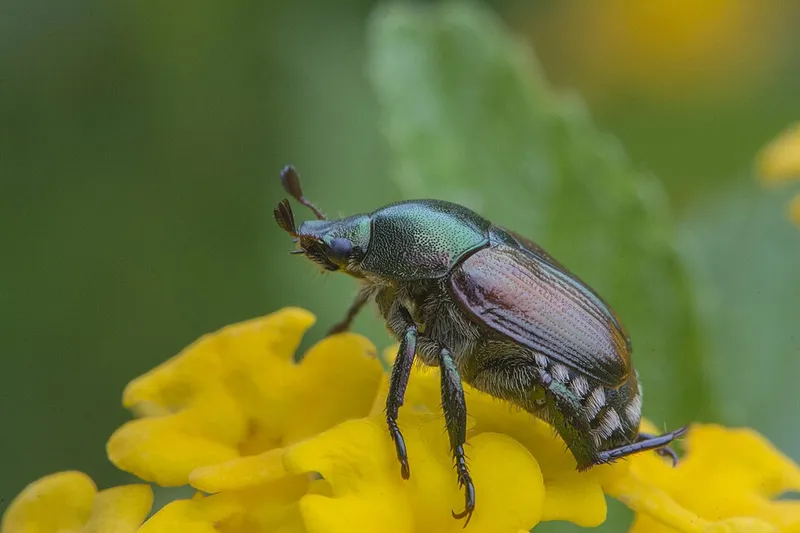
In the Middle Tennessee landscape, Japanese Beetle Larvae, the common 'white grub', are an inevitable reality. If you live in Columbia, Spring Hill, or Franklin, you’ve seen the adult beetles tearing up your roses and crepe myrtles in June and July. But for your lawn, the real threat is what happens next. Those adults dive into the soil to lay eggs, and by late summer, the larvae are hatched and hungry. These grubs are C-shaped, cream-colored pests with distinct brown heads, and they spend their entire lives underground chewing through the root system of your turf.
The damage pattern is particularly nasty for our local 'Crossfire 4' or '4th Millennium' tall fescue. Because these larvae eat the roots, the grass loses its ability to pull water and nutrients from the soil. In the heat of a Middle Tennessee August, where the humidity is high and the dew stays on the ground for 12 hours a day, a rootless plant has zero chance. You’ll see the lawn start to wilt and brown in patches, and if you grab a handful of grass and pull, it will lift up like a loose piece of carpet because there’s nothing anchoring it to the dirt. By the time you see this, the grubs are usually too large for the safer, preventive treatments to work.
I don't treat grub control as an optional add-on; I include it as a standard in my lawn care plan. My approach is purely preventive, using a novel bee-safe chemistry called chlorantraniliprole. I apply this in the spring before the larvae are even a thought. This chemistry is systemic, moving through the plant tissue where it sits and waits. It only affects the insects that actually feed or forage on the grass itself, like these white grubs, armyworms, and billbugs. It won't harm the beneficial earthworms that help aerate our heavy clay soils, and it’s completely safe for pollinators.
One of the biggest advantages of sticking with a long-term plan in the I-65 corridor is what I call compounding quality. This specific chemistry is incredibly persistent. When we apply it year after year, you're actually getting residual coverage from the previous season's service. A lawn that has been under my care for three years in a neighborhood like Arrington or College Grove has a level of protection that a brand-new customer simply hasn't built up yet. We do it this way so we never have to use 'rescue' treatments like Dylox, which is a harsh chemical that I prefer not to be around. We stop the problem before it starts, ensuring your lawn's resources go toward surviving the summer stress instead of fighting a losing battle against root-eating pests.
Quick Facts
- Common Name
- Japanese beetle larvae
- Scientific Name
- Popillia japonica
- Category
- Turf Pest
- Region
- Middle Tennessee