About Magnolia Scale
Magnolia Scale (Neolecanium cornuparvum)
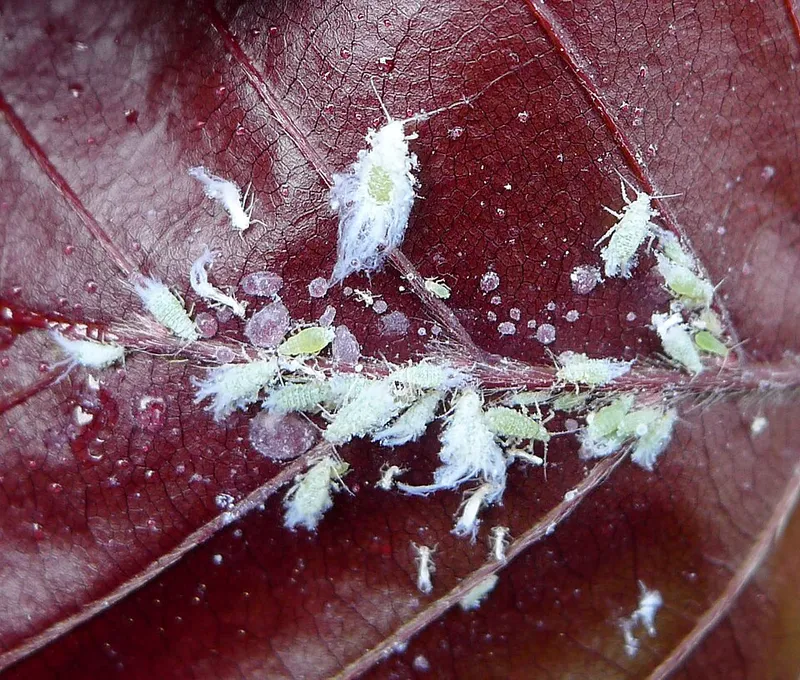
Identification: The largest soft scale insect in North America. Mature females reach 12-16 mm, smooth, pinkish-buff to dark brown, hemispherical, covering twigs of magnolia (Magnolia spp.) in dense clusters. Young females are covered in a white waxy powder that weathers off by summer. Host-specific to magnolia, saucer magnolia (M. × soulangeana), star magnolia (M. stellata), sweetbay magnolia (M. virginiana), and native bigleaf magnolia (M. macrophylla) are all susceptible.
Life cycle: One generation per year. Overwinters as nymphs on two-year-old twigs. Nymphs resume feeding in early spring and grow rapidly; females mature by late July-August. Crawlers emerge in late August through September, an unusual late-season emergence compared to most soft scales. Crawlers overwinter as young nymphs after settling in fall.
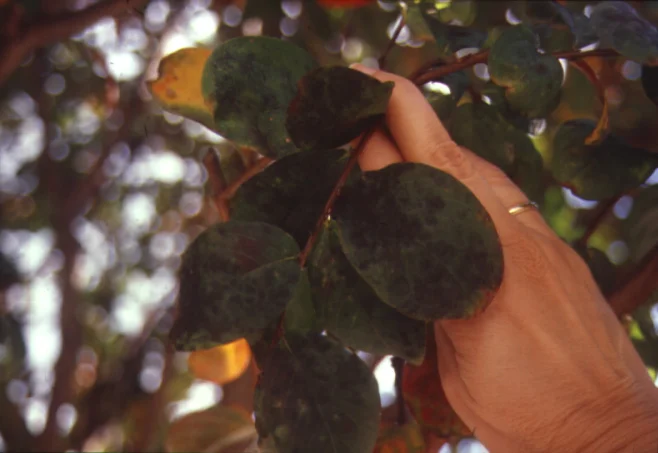
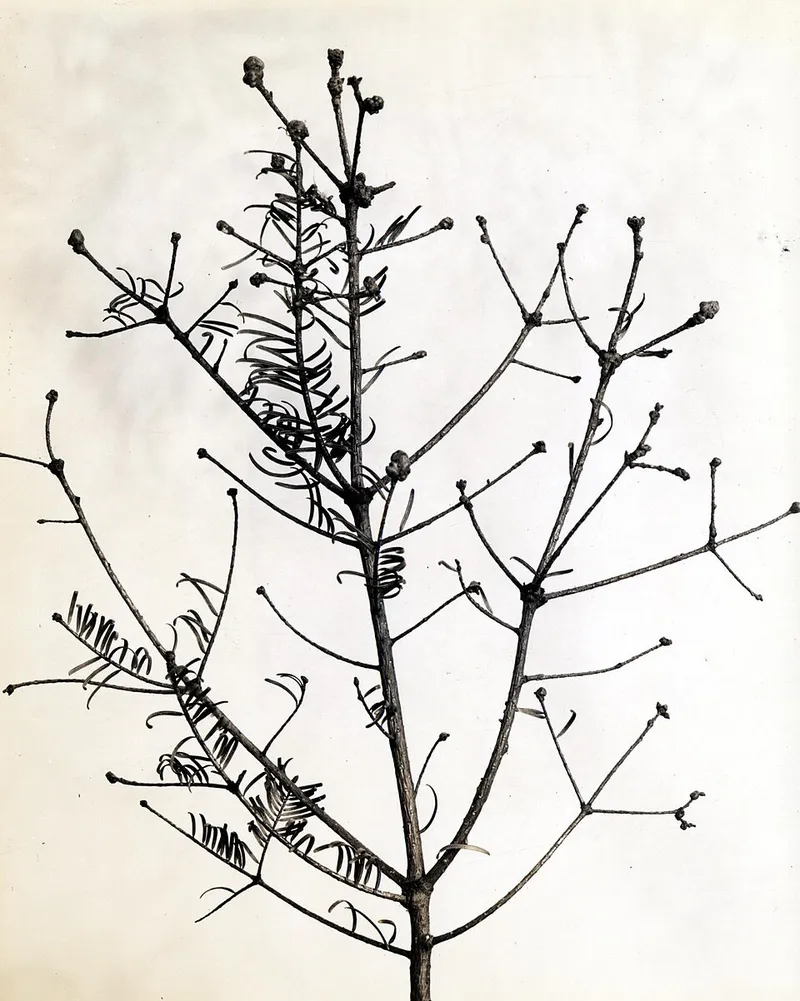
Damage signs: Copious honeydew production from July through September, coating leaves, pavement, and vehicles beneath infested magnolias with sticky residue. Sooty mold blackens entire branch sections. Severe infestations cause branch dieback and significantly reduce landscape specimen quality. Magnolia is a culturally important ornamental tree throughout Middle Tennessee and Columbia-area residential landscapes.
Treatment window: Late August through September targeting crawlers, the primary and narrow annual window for contact treatment. Dormant oil in late February-March reduces overwintering nymphs. Systemic imidacloprid applied in spring provides uptake through the summer feeding period.
UT-recommended approach: Systemic imidacloprid soil drench or trunk injection in spring is the most practical approach for large specimen magnolias where late-summer crawler spraying is logistically difficult. For smaller trees, insecticidal soap or summer oil at August-September crawler emergence is effective. Monitor for honeydew drip in July as an indicator that adult females are maturing, this signals that crawlers will emerge within 4-6 weeks.
Quick Facts
- Common Name
- Magnolia Scale
- Scientific Name
- Neolecanium cornuparvum
- Category
- Landscape Pest
- Region
- Middle Tennessee