About Fletcher Scale
Fletcher Scale (Parthenolecanium fletcheri)
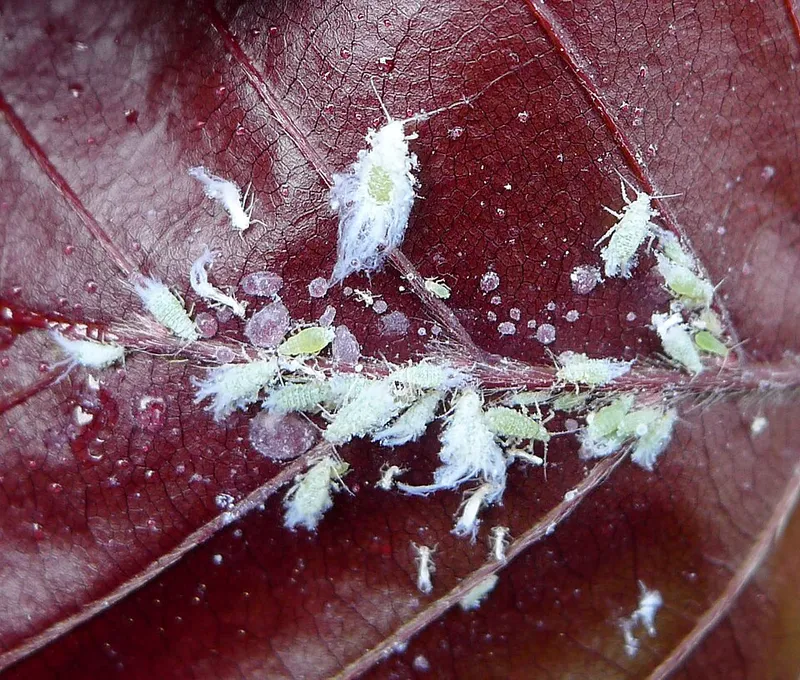
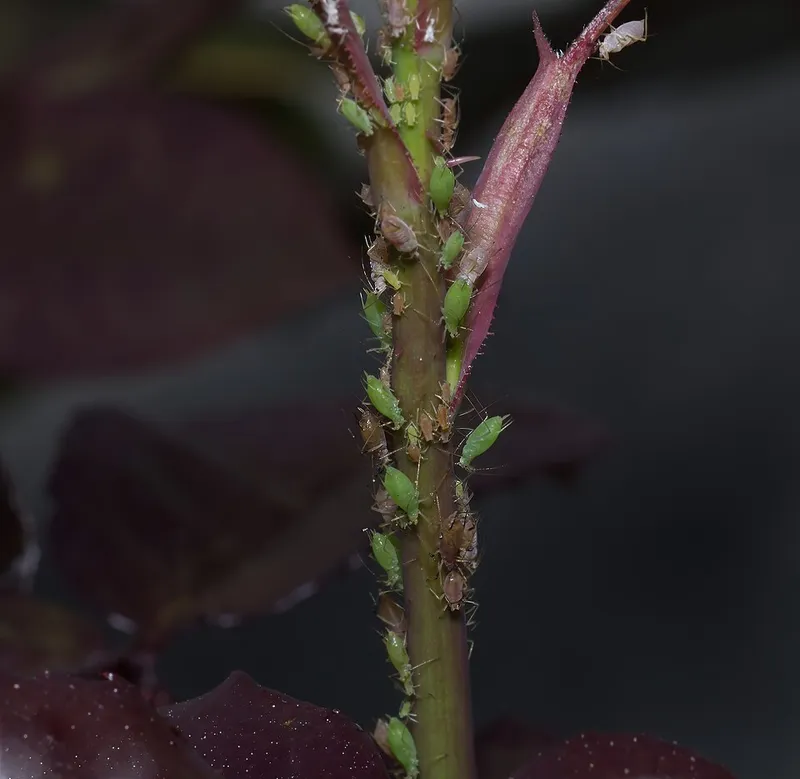
Identification: A soft scale (family Coccidae), 3-4 mm, hemispherical, smooth, and amber-brown to chestnut brown when mature. Resembles European fruit lecanium (P. corni) but is host-specific to arborvitae (Thuja spp.), yew (Taxus spp.), and occasionally juniper and pachysandra. The combination of host plant and smooth amber cover separates fletcher scale from other soft scales in the Middle Tennessee landscape.
Life cycle: One generation per year. Overwinters as second-instar nymphs on twigs. Nymphs resume feeding in early spring; females mature by late April to May and produce crawlers from late May through June. Crawlers settle on foliage and small stems, feeding through summer before migrating back to woody tissue in fall.
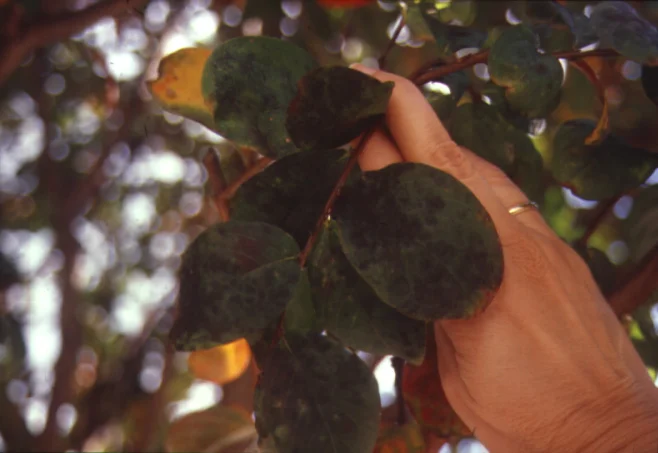
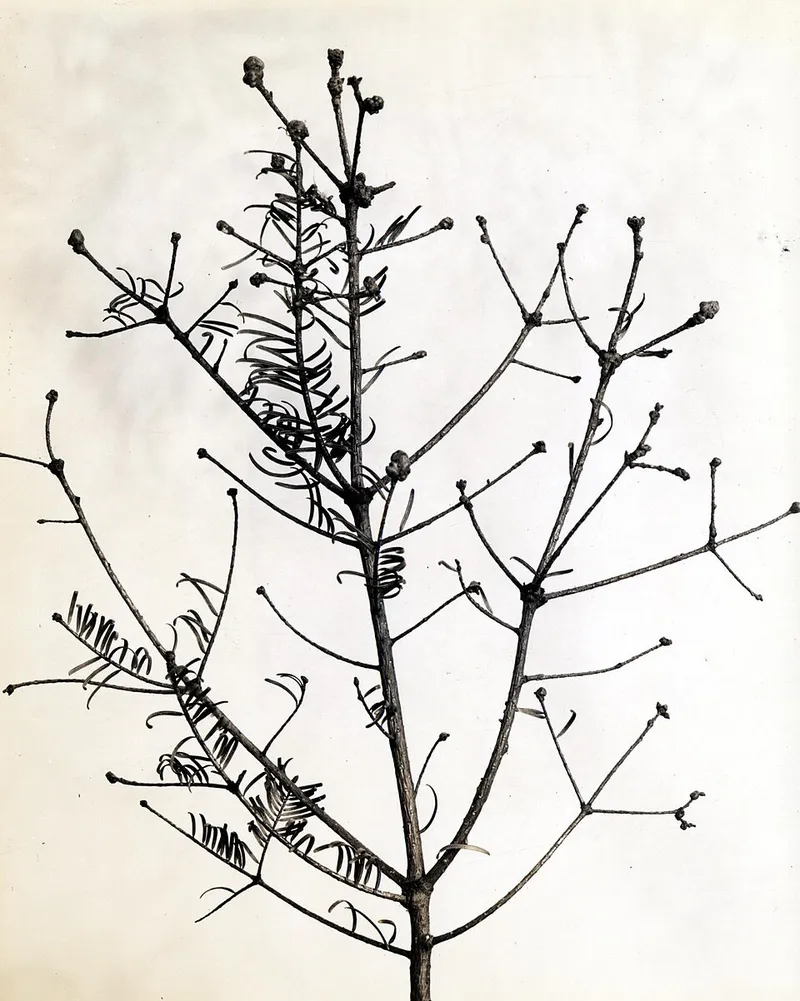
Damage signs: Branch yellowing and dieback on arborvitae and yew, particularly on interior and lower branches. Heavy infestations on arborvitae hedges cause portions of the hedge to bronze and die back, which are often misdiagnosed as drought stress or fungal disease before the scale colonies are discovered under foliage. Honeydew and sooty mold are less prominent than with lecanium scales on deciduous hosts but still occur.
Treatment window: At crawler emergence in late May to mid-June. Dormant oil in late February-March on arborvitae and yew when temperatures are above 40°F reduces overwintering nymph populations.
UT-recommended approach: Dormant oil in late winter followed by insecticidal soap or summer oil at crawler emergence. Systemic imidacloprid soil drench in spring provides residual through the crawler period. Examine interior branches of arborvitae hedges annually, fletcher scale populations build undetected in dense foliage until branch dieback makes them visible from outside the hedge.
Quick Facts
- Common Name
- Fletcher Scale
- Scientific Name
- Parthenolecanium fletcheri
- Category
- Landscape Pest
- Region
- Middle Tennessee