About Elm Zigzag Sawfly
Elm Zigzag Sawfly
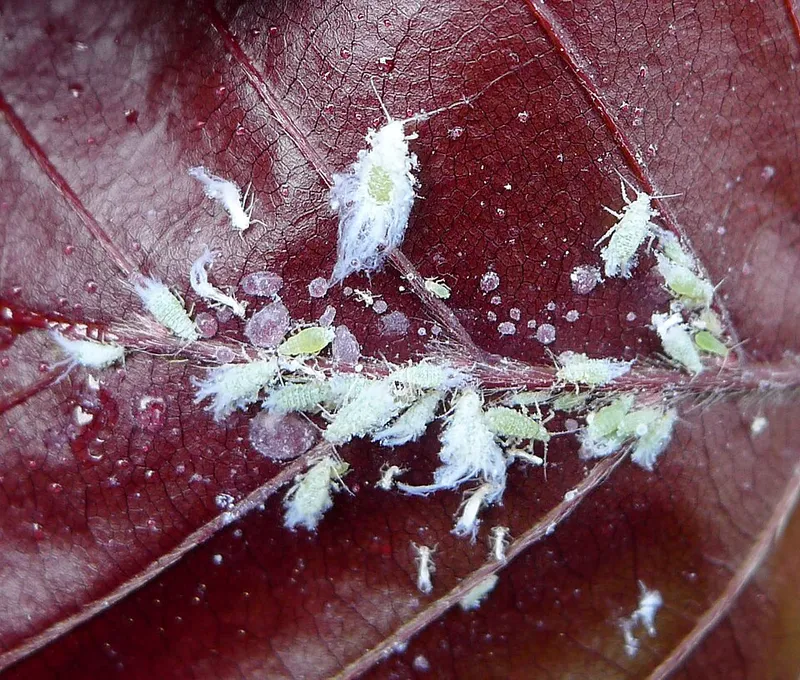
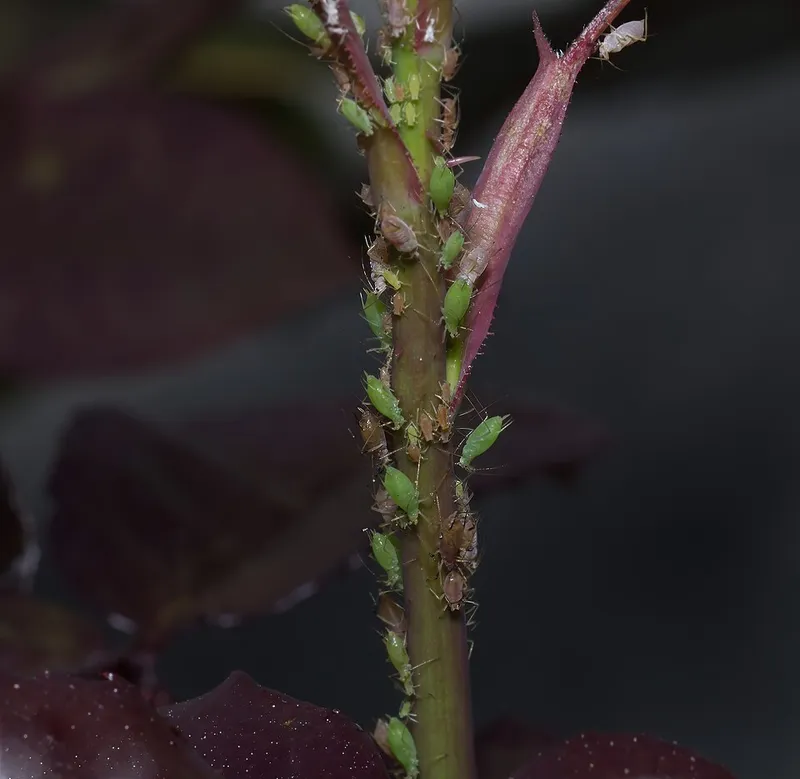
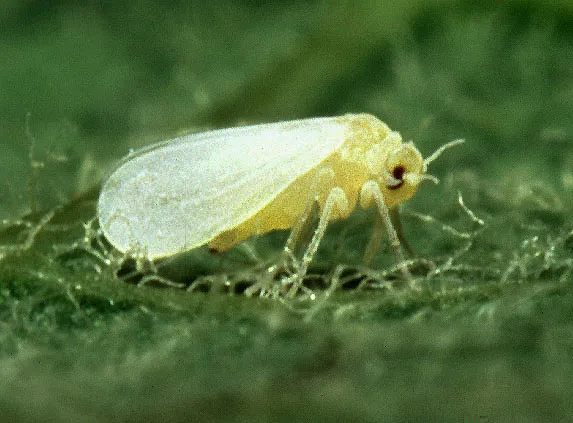
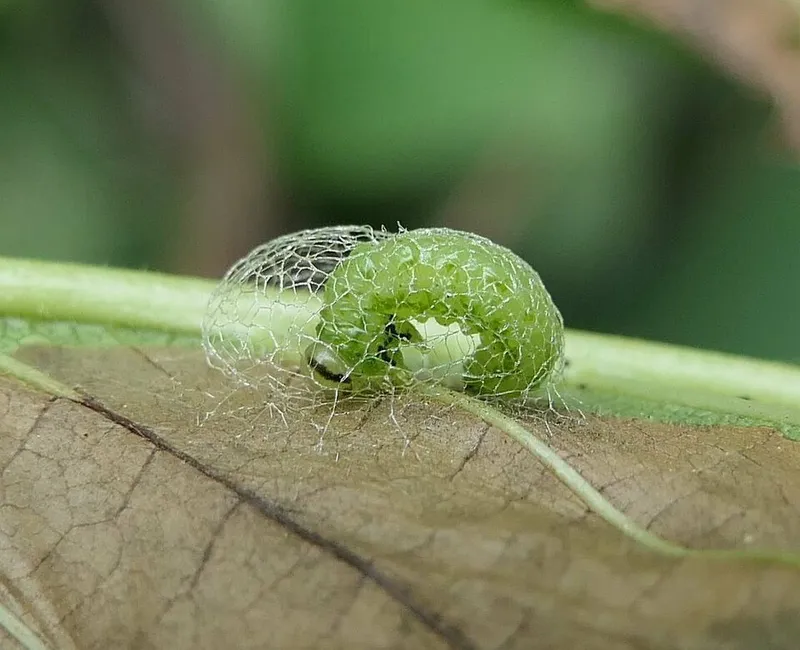
Identification: Larvae are pale green to yellowish with a dark dorsal stripe, 15-20 mm at maturity, feeding in a distinctive zigzag or skeletonizing pattern across elm (Ulmus spp.) leaf surfaces. Adults are small, wasp-like Hymenoptera, 5-8 mm, with orange-yellow banding. The characteristically irregular feeding track left on the upper leaf surface, midrib consumed last, separates this pest from generalist caterpillar defoliators on elm. An invasive species of European origin, it has expanded into the mid-Atlantic and Southeast in recent years.
Life cycle: Two to three generations per year under warm conditions. Overwinters as pupae in leaf litter or shallow soil beneath host trees. Adults emerge in spring; females insert eggs directly into leaf tissue. Larvae feed for two to three weeks, then drop to soil to pupate. Populations can build rapidly through successive generations when host elms are abundant and conditions are warm.
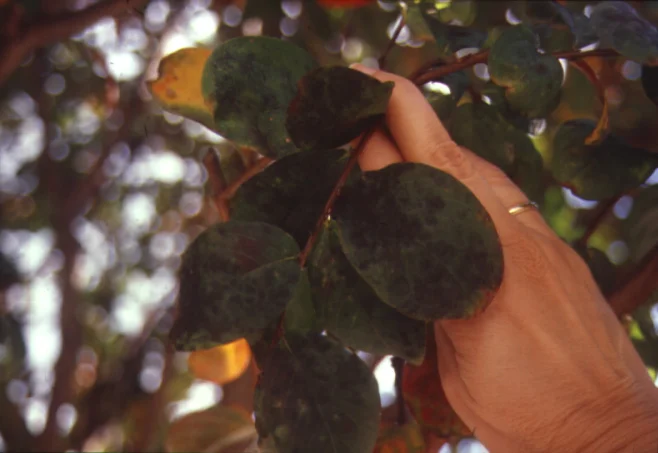
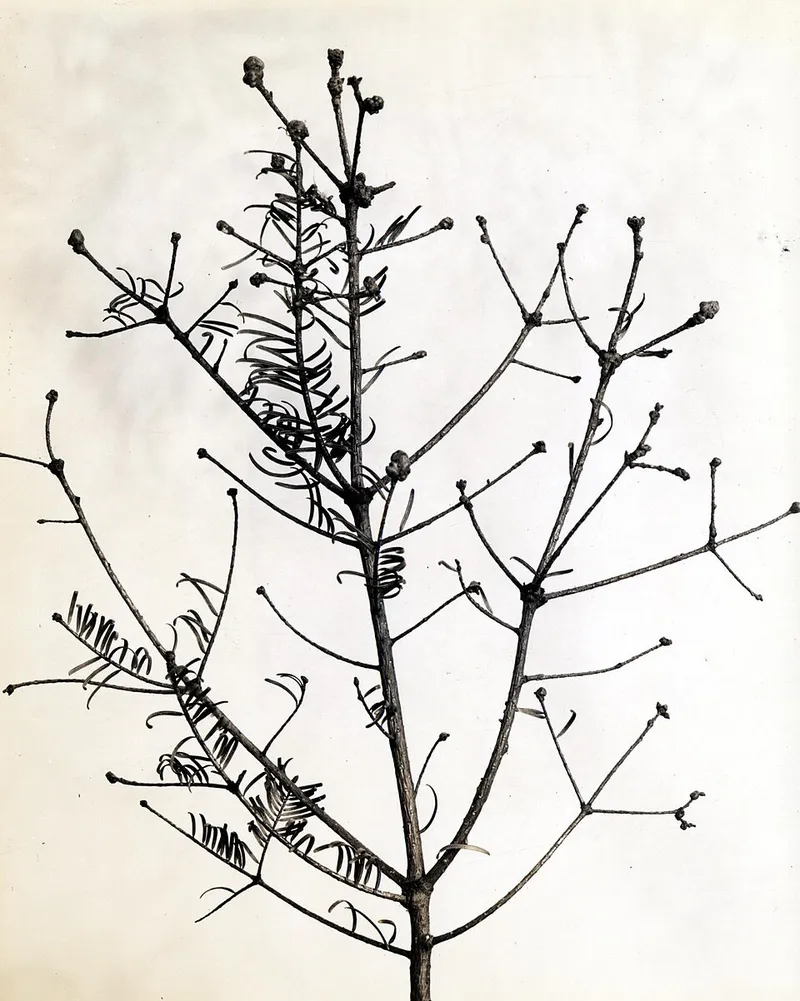
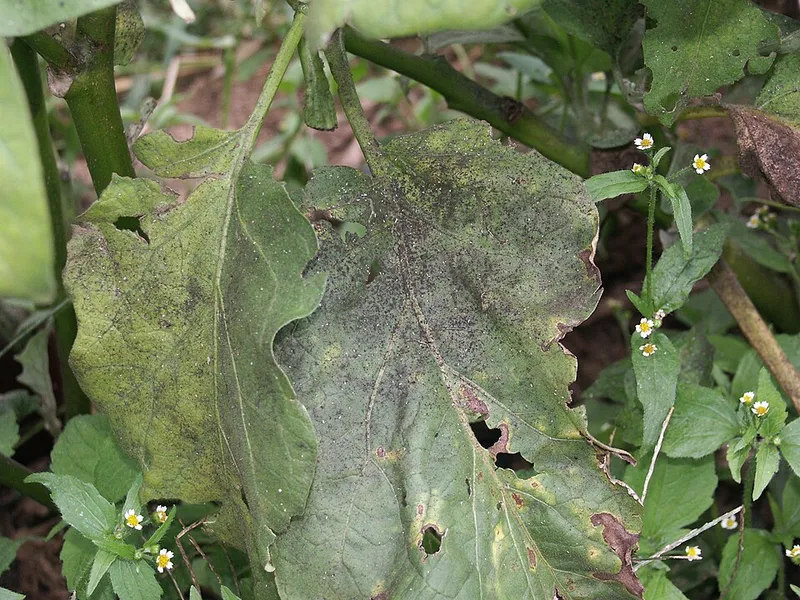
Damage signs: Characteristic zigzag feeding tracks across leaf surfaces, leaving only the midrib and major veins intact early in feeding. Heavy infestations cause near-complete defoliation of individual branches by midsummer. Repeated defoliation over consecutive seasons weakens elms already stressed by elm yellows or other pathogens common in Middle Tennessee. Street and specimen elms in Columbia and surrounding I-65 corridor towns are most at risk given heat island effects.
Treatment window: At egg hatch and first-instar larval emergence in late April to May. Monitor leaf surfaces for early feeding tracks and treat before larvae reach the third instar, when they become less susceptible to contact insecticides.
UT-recommended approach: Spinosad or insecticidal soap applied to foliage at first larval appearance is effective on young instars. Systemic imidacloprid soil drench in early spring provides protection through the primary generation on high-value specimen elms. Rake and dispose of leaf litter in autumn to reduce overwintering pupal populations beneath host trees.
Quick Facts
- Common Name
- Elm Zigzag Sawfly
- Scientific Name
- N/A
- Category
- Landscape Pest
- Region
- Middle Tennessee