About Dogwood Sawfly
Dogwood Sawfly
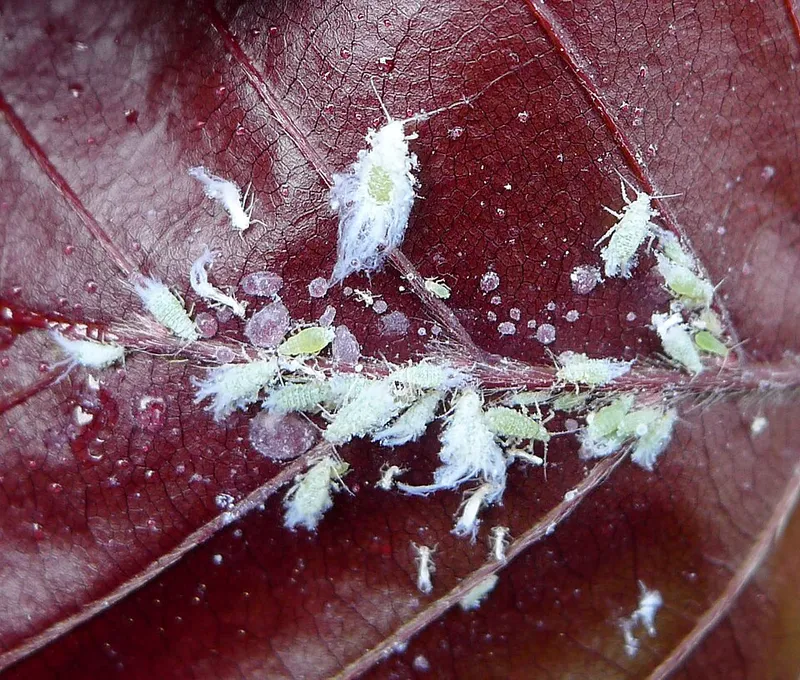
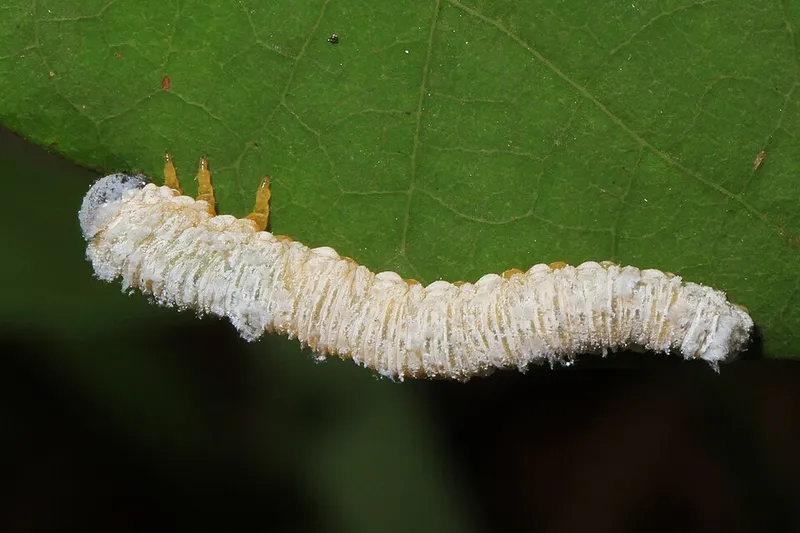
Identification: Macremphytus tarsatus · larvae are the damaging stage. Early instars are covered in a chalky white waxy powder and feed gregariously; later instars lose the powder, becoming yellowish with a black-spotted pattern and a shiny black head. Up to 20 mm when mature. Found exclusively on dogwood (Cornus spp.), including flowering dogwood (C. florida) and other native dogwood species in Tennessee landscapes. Adults are wasp-like but lack a stinger.
Life cycle: One generation per year. Overwinters as prepupae in wood or soil. Adults emerge in late May to June; females saw slits in dogwood leaf tissue to deposit eggs. Young larvae hatch and feed gregariously on leaf undersides, leaving the upper cuticle intact at first. Larvae disperse as they mature; late-instar larvae drop to soil in August-September to pupate.
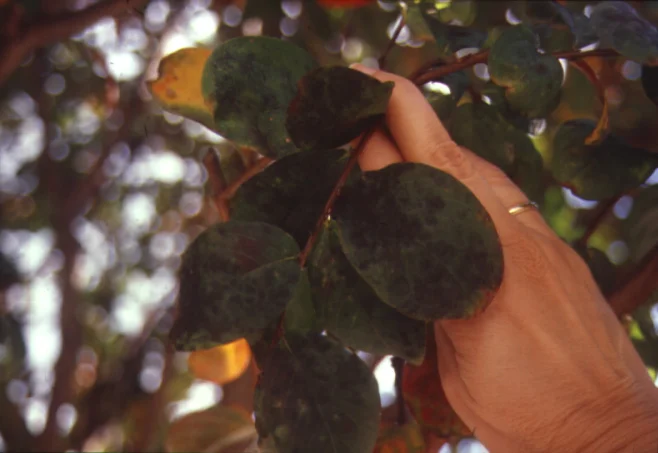
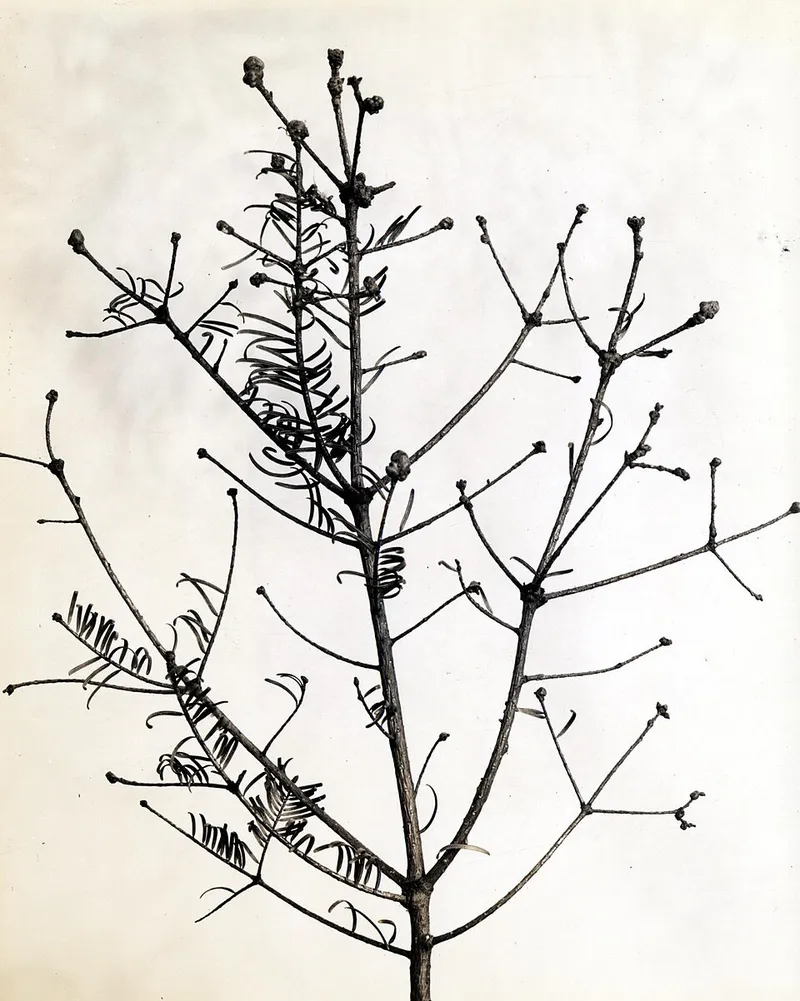
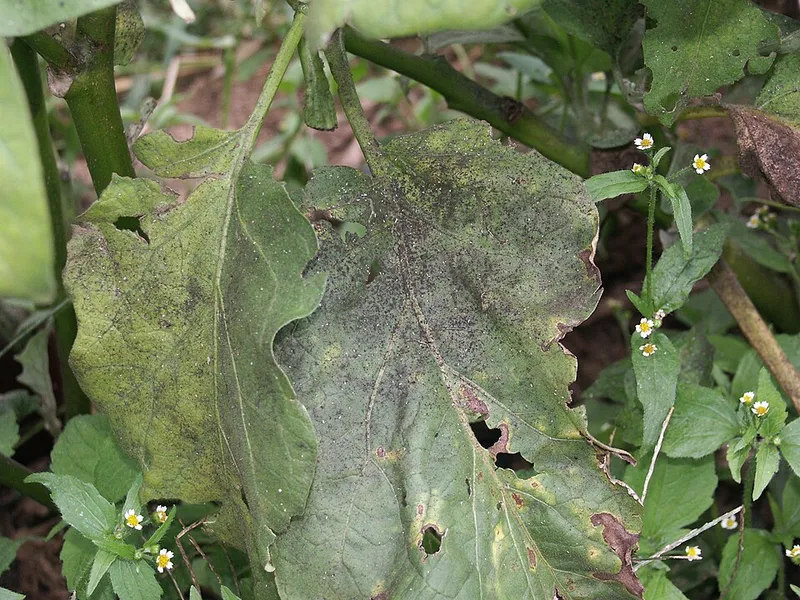
Damage signs: Early feeding skeletonizes leaf undersides, leaving a papery, translucent upper surface. As larvae mature they consume entire leaves, leaving only the midrib. A group of late-instar larvae can strip entire branch sections of a flowering dogwood in a week. First infestation years are often not detected until defoliation is extensive, the white-powdered early instars are cryptic against pale leaf undersides.
Treatment window: Late June through July targeting young gregarious larvae before they disperse. Early-instar colonies are clustered and easily treated; scattered late instars are harder to reach with contact sprays.
UT-recommended approach: Hand-removal of leaf clusters bearing gregarious young colonies is effective on small trees, drop in soapy water. Insecticidal soap or spinosad applied to leaf undersides targeting young instars. Avoid broad-spectrum pyrethroids on flowering dogwood, these trees are used by native bees, and the pest is easily managed with softer chemistries. Inspect dogwood foliage from the underside in June-July as part of routine monitoring.
Quick Facts
- Common Name
- Dogwood Sawfly
- Scientific Name
- N/A
- Category
- Landscape Pest
- Region
- Middle Tennessee