About Cottony Cushion Scale
Cottony Cushion Scale (Icerya purchasi)
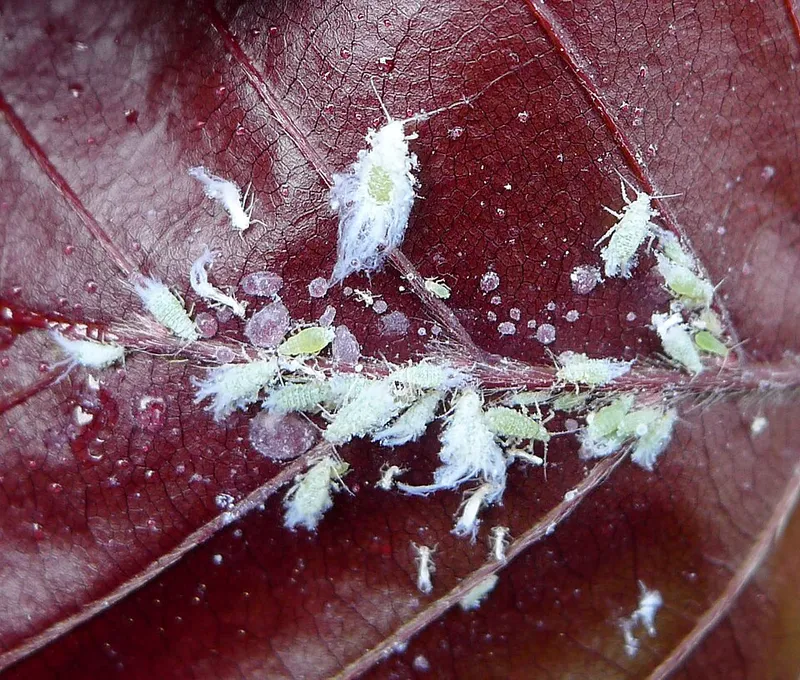
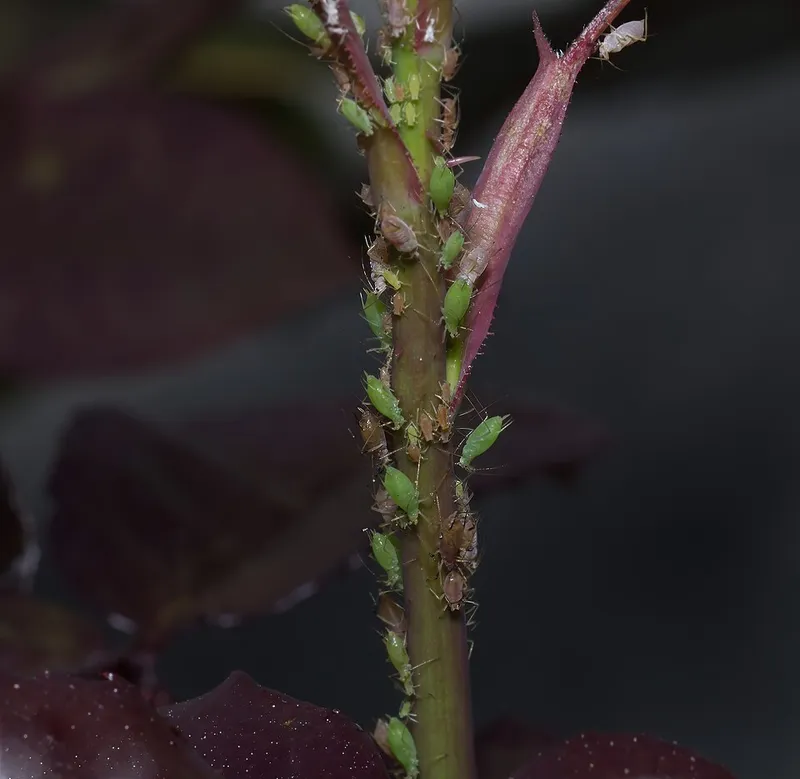
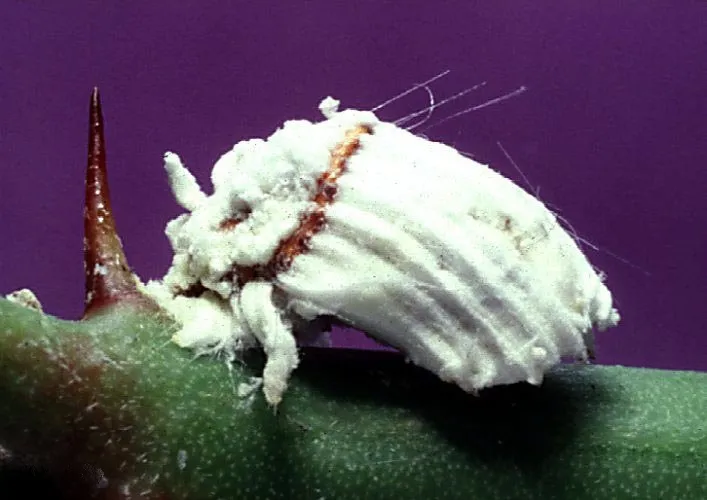
Identification: Among the most visually distinctive landscape scales. Mature females are 5-8 mm, orange-red to brown, with a conspicuous fluted white cottony egg sac that may reach 15 mm in length, the white grooved egg mass projecting from the reddish body is unmistakable. Crawlers are red with dark antennae and legs. Hosts include acacias, citrus (ornamental lemon/orange in pots), cotoneaster, pyracantha, roses, and hollies. Highly polyphagous with over 80 documented host genera.
Life cycle: Two to three generations per year in warm climates; in Middle Tennessee's Zone 6b/7a climate, two generations are typical in outdoor plantings. Eggs are laid within the cottony ovisac; each female produces 600-800 eggs. Crawlers emerge in spring and midsummer and migrate to new foliage. The biological control agent Rodolia cardinalis (vedalia beetle), a small red and black coccinellid, is a highly effective natural enemy of cottony cushion scale and has historically suppressed populations wherever it has been established; pesticide programs that kill predatory beetles can trigger severe outbreaks.
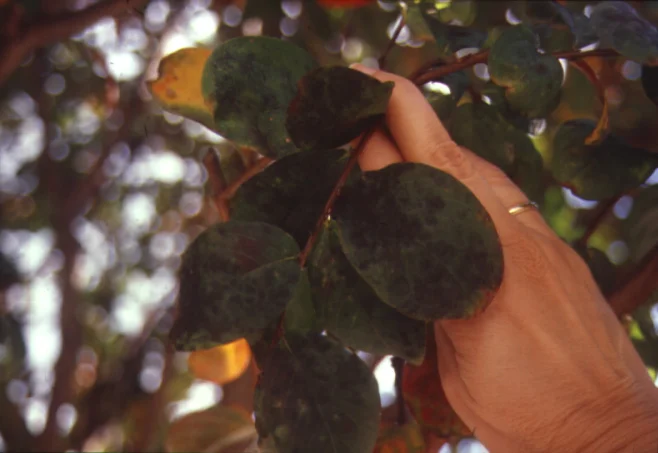
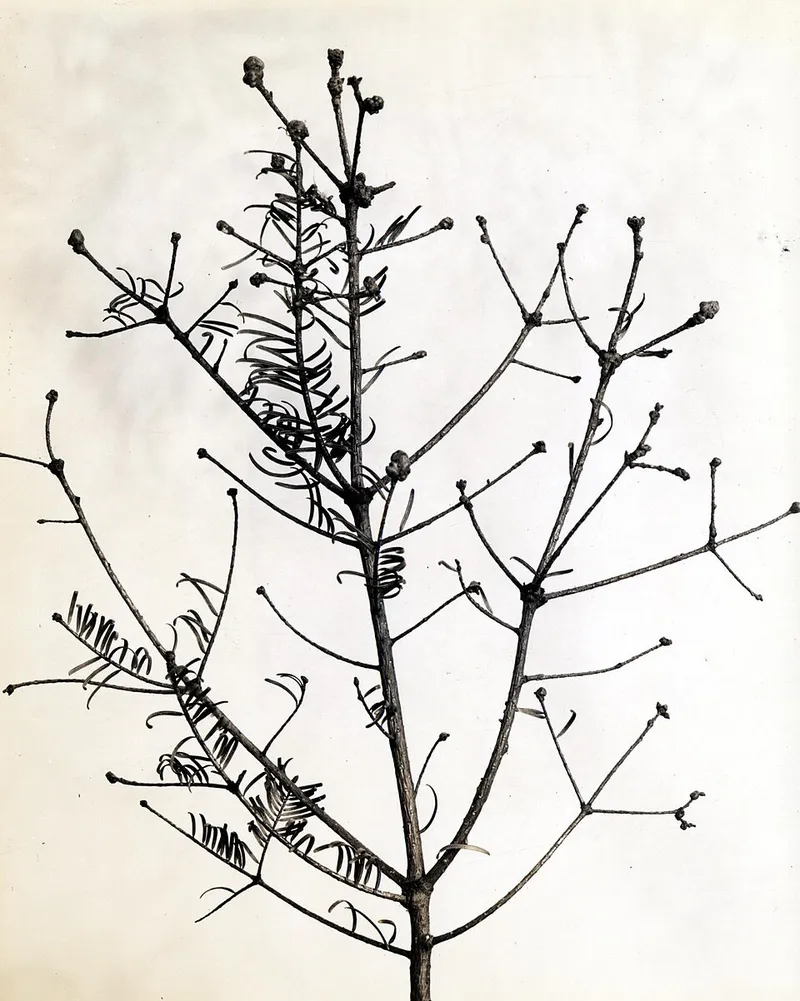
Damage signs: Dramatic visual display of white cottony egg masses on twigs and branches, often detectable from 10-15 feet. Heavy infestations weaken stems, cause premature leaf drop, and produce abundant honeydew supporting sooty mold. Photinia, pyracantha, and cotoneaster in Middle Tennessee foundation and screen plantings are particularly susceptible. The conspicuous white egg masses alarm homeowners disproportionately to actual plant damage, which is typically less severe than armored scale infestations of similar density.
Treatment window: At crawler emergence in late April to May and again in July-August. The cottony egg mass stage is largely resistant to contact insecticides, target crawlers, not egg masses.
UT-recommended approach: Avoid broad-spectrum insecticides that kill Rodolia cardinalis · where the vedalia beetle is present, it often suppresses cottony cushion scale populations without intervention. If chemical control is warranted, horticultural oil applied at crawler emergence targets mobile nymphs effectively. Systemic imidacloprid on high-value plants provides residual phloem-feeding suppression through the active season.
Quick Facts
- Common Name
- Cottony Cushion Scale
- Scientific Name
- Icerya purchasi
- Category
- Landscape Pest
- Region
- Middle Tennessee