About Black Scale
Black Scale
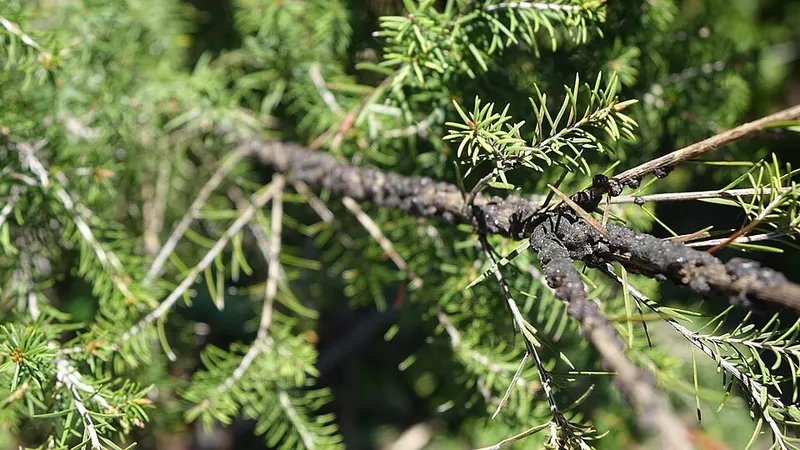
Identification: Saissetia oleae · a soft scale, 3-5 mm, with a hard, glossy black to dark brown hemispherical cover. A distinctive H-shaped ridge on the dorsal surface is the most reliable field identification character. Found on bark and stems of a wide host range including olive, citrus, oleander, and ornamental shrubs. In Middle Tennessee, black scale is primarily encountered on overwintered container plants and in protected microenvironments, it is not a reliably cold-hardy outdoor pest in Zone 6b/7a but can persist on sheltered south-facing plantings.
Life cycle: One to two generations per year in warm climates; typically one generation in Tennessee. Overwinters as nymphs on twigs. Crawlers emerge in late spring to early summer. Honeydew production is substantial in mid-summer as females mature.
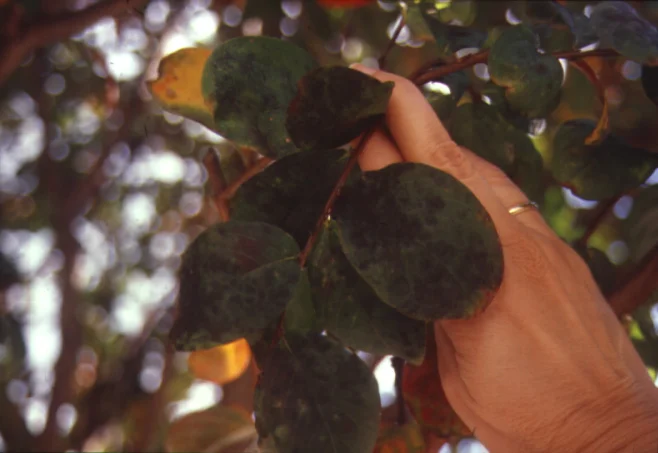
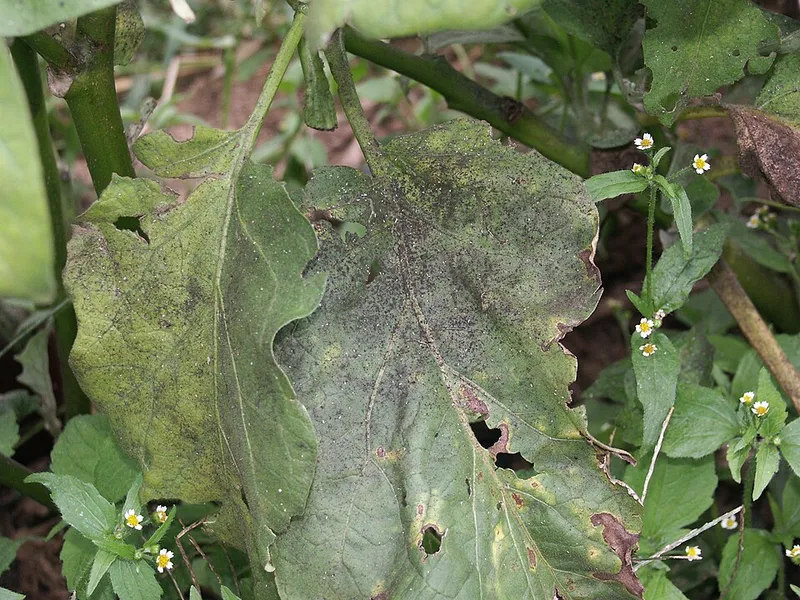
Damage signs: Feeding causes chlorosis, premature leaf drop, and branch dieback on infested hosts. Copious honeydew leads to sooty mold buildup. In container plants brought indoors for winter, black scale can build heavy populations under greenhouse or interior conditions. Outdoor infestations in Tennessee are typically low-level unless plants are repeatedly stressed.
Treatment window: At crawler emergence in late May through June. Horticultural oil at any time the plant is not heat-stressed will suppress nymphs.
UT-recommended approach: Horticultural oil or insecticidal soap at crawler emergence. For container plants, inspect and treat before bringing indoors each fall to prevent greenhouse population buildup. Systemic imidacloprid is effective for persistent infestations on established landscape shrubs. The H-shaped dorsal ridge on mature females confirms identification before applying scale-specific treatments.
Quick Facts
- Common Name
- Black Scale
- Scientific Name
- N/A
- Category
- Landscape Pest
- Region
- Middle Tennessee