Fall seeding season is here.

UT Certified Lawn Care Professional Tennessee Turfgrass Association Member Turfgrass Water Conservation Alliance Member Nextdoor Neighborhood Favorite BBB A+ Accredited

Maury County · Lawn Aeration & Seeding

Lawn Aeration & Seeding in Mount Pleasant, TN

Professional lawn aeration & seeding for Mount Pleasant homeowners, delivered by Middle Tennessee's UT Certified lawn treatment specialists.

Lawn Aeration & Seeding for Mount Pleasant Homeowners

Mount Pleasant sits on the rural end of Maury County, and the lawns show it.

Bigger lots than you find in town, more mature canopy over them, and the same heavy clay we work in around Columbia. That combination decides what fall seeding has to accomplish out here. Shade thins fescue steadily rather than dramatically, so most Mount Pleasant yards do not fail all at once. They give up a little density every year until somebody finally notices. Then there are the newer pockets, Sugar Creek and Cottages at Bearwood, where the grass came out of a builder's bag and carries its own set of problems. Both situations get corrected in the same month, and that month is not October.

The Mount Pleasant Aeration & Seeding Guide

How I offer it is simple. Every August I ask customers to walk the yard and answer one question: do you have enough grass where you want grass? If the answer is yes, skip it this year and keep your money. When the treatment plan is working, plenty of Mount Pleasant lawns can.

AJ, UT Certified Lawn Care Professional

01

Fescue does not spread, so the stand only thins

Tall fescue, Festuca arundinacea, does produce short rhizomes, but the lateral spread is minimal and it shrinks further the lower you mow. In practice every fescue plant lives and dies within an inch or two of where its seed landed. Summer removes plants through heat stress, brown patch, and traffic, and the survivors do not grow sideways to cover the gap. New seed is the only thing that fills it.

That makes seeding maintenance rather than rescue, and genetics set how often you need it. A transition-zone fescue lawn running old genetics needs seed every year just to stay full. A stand rebuilt from modern improved cultivars averages about once every three. Same clay, same mower, different plants.

02

The last week of August beats the middle of October

Everybody waits for October. The humidity breaks, the nights cool off, and it feels like the right moment. It is late.

A grass seed does not need good conditions to start. It needs them about four weeks in. Put a fescue seed in a wet paper towel, seal it in a bag, and leave it in a dark drawer with no light, no soil, and no nutrients, and it will still push three or four inches on the reserves stored in its seed pod. The seedling eats its own groceries first and only needs weather once those are gone.

Seed that goes down the last week of August runs out of reserves right as September and October arrive, and it spends that whole window growing. October seed is still germinating as the same window closes. The gap is three to six weeks of growth and a noticeably more mature stand going into winter. UT Extension puts the preferred fescue window at late August through mid September in publications PB 1576 and W 160-F, and warns that late seeding leaves immature plants exposed to low-temperature stress. I laid out the full argument in why late August beats October for fescue seeding.

Germination takes five days minimum under ideal conditions and seven to fourteen in a real yard, so the calendar has no slack in it. What you do this fall decides what the lawn survives next July.

03

What is printed on the seed tag shows up next summer

Grass seed carries three certification levels and most people have only ever seen the weakest one. The white tag on every bag is federal law, a statement of contents rather than a standard of quality. A blue tag means a land-grant university pulled a sample, verified the cultivar, and held it to thresholds for noxious weed, other crop, and weed seed. Gold tag, Sod Quality Certified, is what I buy: roughly six times the sample size, zero tolerance on noxious weeds, field inspections through the growing year, and third-party inspection at every transfer point. I contact seventy to eighty growers a year to build a blend out of it.

What is in my bag right now: three turf-type tall fescues, Traverse 2 SRP, 4th Millennium SRP, and Triad, with Barvette HGT Kentucky bluegrass as the bluegrass fraction. All three fescues are on UT Extension's list of statistically top-performing tall fescues for Tennessee (NTEP trials), and I picked them for brown patch resistance, wear recovery, and rhizomatous self-repair. Barvette HGT is the one worth a longer sentence. It establishes unusually fast for a bluegrass, its rhizomes are what knit the stand back together after damage, and it came out of Barenbrug's Healthy Grass Technology program, which stress-tests for exactly the transition-zone persistence a Maury County summer demands.

Cheap seed is expensive for a reason. Kentucky 31 is the least costly fescue sold, and that price traces back to the standard of care in the production field, where weeds the grower cannot control get harvested with the crop. Dallisgrass, Paspalum dilatatum, costs people the most. Oregon seed testing classifies it as other crop seed rather than a weed, so it carries a higher allowable threshold. You plant it in fall, see nothing all winter, and meet it the next July as a coarse clump that takes me three to five years to clear. Johnson grass and quackgrass ride in the same way, and straw used as cover is worse than any of them. Contractor mix delivers the whole package pre-wrapped, which is why a builder lawn in Sugar Creek or Cottages at Bearwood starts life on the annual reseed clock.

04

Ninety percent fescue, ten percent bluegrass, and why shade decides the rest

I blend ninety percent turf-type tall fescue with ten percent Kentucky bluegrass, Poa pratensis, by weight. Bluegrass seed is far smaller, so ten percent by weight lands closer to thirty or thirty-five percent by plant count. That is the sod farm ratio, and it is no accident: bluegrass rhizomes are what physically hold a sod roll together, which is why fescue sod is honestly thirty to forty percent bluegrass.

Three things that ratio buys a Mount Pleasant yard. Overseeded ground blends into existing sod instead of leaving a visible seam. The lawn gains real self-repair, so a mower divot or a hole under a fallen limb closes over a month or two. And bluegrass works as a disease firebreak, because brown patch spreads by plant-to-plant contact and some bluegrass cultivars are close to immune, which is why tall fescue and Kentucky bluegrass mixtures run lower brown patch severity than fescue alone.

Those cultivars come out of NTEP data, five-year outdoor plots scored for disease resistance, drought tolerance, texture, and seedling vigor, averaged across the trial sites closest to our conditions: Mississippi, Knoxville, North Carolina, New Jersey. Mount Pleasant gets one extra weighting, and it is shade. Larger lots out here carry more mature canopy per yard than a subdivision lot does, and generic blends are not screened for low light at all, so mine always includes a cultivar chosen because it out-competes the others under trees.

05

Aeration is a seed delivery system

I have never seen a tree drop an acorn with a core aerator attached to it. Throw seed on the ground and roughly ninety percent of it finds somewhere to grow. I cannot run a business on ninety percent, and the missing ten is never scattered at random. It is the shade line, the ground under heavy leaf drop, and the run where common Bermuda grass, Cynodon dactylon, has matted over the surface. On open turf, aeration improves establishment a modest ten to fifteen percent over broadcasting alone. Where a Bermuda mat is intercepting seed, the holes put it into soil it could never otherwise reach, and in my experience the improvement runs closer to seventy-five or ninety percent.

I run parallel passes, then a second set at forty-five degrees instead of ninety, which lays down a diamond and puts more holes per square foot in the ground. Seed drops through a metered seeder mounted on the aerator, straight into the open holes, rather than getting flung by a spinner into the beds and the driveway.

On compaction, here is the accurate version instead of the sales version. Core aeration does relieve compaction, and it is essentially the only method that does it without tearing the lawn out. It is not permanent, because the holes close within weeks, and it takes real core density to work: K-State puts effective cultivation at fifteen to thirty cores per square foot, and a single commercial pass delivers about half of that. Genuine compaction is also rarer than the industry admits, since root channels and freeze-thaw cycles work against it year-round. The lawns that truly have it are the ones people keep re-compacting, the backyard that hosts everything and the patch where a kid practices every evening. Those are the yards that earn a second aeration in spring, which is what the standalone core and liquid aeration service is for. In fall, aeration pays for itself through what it does for the seed. Everything I put down is guaranteed to germinate within thirty days, and if an area does not come in, I re-aerate and reseed it at no charge.

Term, Defined

Liquid aeration

Liquid aeration goes down with the cores as part of this service, and I want to be precise about what it does. It holds moisture in the top of the soil profile, right at seed depth, through the weeks the seedling is still living on its own reserves. That buys germination speed, not rate. The same percentage of seed comes up either way, it just comes up sooner. On the non-irrigated lawns that make up most of Mount Pleasant, that is the difference worth paying for.

Why Lawn Aeration & Seeding Matters in Mount Pleasant

Middle Tennessee sits in the transition zone where both cool-season and warm-season grasses struggle. Fescue is the best choice for the region, but it requires annual overseeding to maintain density because it does not spread laterally like bermuda or zoysia. The summer heat stress common in the I-65 corridor thins fescue lawns every year, making fall overseeding an essential annual maintenance practice.

What's Included in Our Lawn Aeration & Seeding for Mount Pleasant

  • Premium turf-type tall fescue seed blend
  • Professional-rate seed application with calibrated equipment
  • Seedbed preparation recommendations
  • Core aeration coordination (recommended)
  • Detailed post-seeding watering schedule
  • Germination monitoring and follow-up

Free Lawn Aeration & Seeding Quote

Get a customized lawn aeration & seeding plan for your Mount Pleasant property.

Request a QuoteOr call (615) 490-4082

UT Certified Lawn Care Professional

Tennessee Turfgrass Association Member

Turfgrass Water Conservation Alliance Member

Nextdoor Neighborhood Favorite

BBB A+ Accredited

Lawn Aeration & Seeding in Mount Pleasant · FAQ

When should I aerate and seed my lawn in Mount Pleasant, TN?

Late August through mid September, which is the window UT Extension names in publications PB 1576 and W 160-F. Nearly everyone in Maury County waits for October and loses the front of the season doing it. Fescue takes five days minimum to germinate and seven to fourteen in a real yard, and the seedling lives on its seed reserves for about its first four weeks. You want those reserves running out as the good fall weather shows up, not weeks before you ever put seed down. October still works. It just gives the plant less time to mature before its first winter.

Do I need to reseed my Mount Pleasant lawn every year?

Not if the treatment plan is doing its job. Genetics set the interval. A fescue lawn running old genetics, which includes essentially every builder-seeded yard, needs seed every year just to hold its density. A stand rebuilt from modern NTEP-selected cultivars averages about once every three years. So the test I give every customer in August is to walk the yard and decide whether there is enough grass where you want grass. If there is, skip the service this year and keep the money. Budget to aerate and seed roughly every third year and you will be close.

Will fescue really fill in under the big trees on my Mount Pleasant lot?

Usually, with the right cultivar. Lots out here run larger and carry more mature canopy than a subdivision lot, and that shade is the single biggest reason generic seed disappoints people locally, because most blends are not screened for low light at all. My blend always carries a cultivar chosen specifically to out-compete the others under trees while still holding its drought and heat scores in NTEP trials. There is a limit, and I would rather say it at the estimate than take your money twice: dense evergreen shade with no direct sun at any hour will not hold fescue.

Does the heavy clay in Maury County mean my lawn needs aeration for compaction?

Probably not for compaction alone. Heavy clay behaving like heavy clay is not the same thing as compacted soil, and root channels and freeze-thaw cycles fight compaction all year without any help from me. Real compaction shows up where people keep re-compacting the ground: the backyard that hosts every gathering, the strip where a kid practices nightly, a dog run. Aeration does relieve it, and it is the only method that does so without tearing out the lawn, but on most Mount Pleasant lawns I sell aeration in fall for what it does for seed placement.

I bought in Sugar Creek. Is a newer lawn different from an older Mount Pleasant yard?

Yes. Most of Mount Pleasant is older housing with established turf under mature trees, but the newer developments start somewhere else entirely. Those yards were seeded with contractor mix, cheap fescue cut with annual ryegrass, which routinely carries dallisgrass, Johnson grass, quackgrass, orchard grass, and Poa trivialis as contaminants. It is also old genetics, so the lawn is on an annual reseed clock from the day you closed. Plan on reseeding with certified seed inside the first two years, and expect a couple of summers of grassy weed cleanup on the way.

What Mount Pleasant Customers Say

5.0·100+ verified reviews across Google, Yelp, Nextdoor & Facebook

S.B.

Spring Hill, TN

Google

AJ is wonderful. We are so happy that we chose him to do our yard. We now have carpet grass instead of weeds and dirt. After trying to create a carpet of grass for 14 years and failing, We hired AJ (Mr. Lawn). He tested… Read S.B.'s full review

View on Google

T.O.

Lewisburg, TN

Google

In just one year Mr Lawn has transformed my yard. I trust AJ with my yard. Here are before and after photos.

View on Google

B.M.

Spring Hill, TN

Google

Mr Lawn was hired to restore our lawn, killed by our previous service. He has been successful. His earth friendly quality products, personalized attention to the needs of our yard, knowledge (he will discuss the… Read B.M.'s full review

View on Google

K.D.

Franklin, TN

Google

A year ago our lawn was full of weeds and crabgrass. A.J. has done a wonderful job of restoring our lawn to a nice green beautiful lawn.

View on Google

D.J.

Franklin, TN

Google

As a former chemistry teacher and graduate of Clemson, I appreciate AJ's knowledge and information. I am able to give excellent aftercare by following his emailed instructions. Please sign up for one year and you will… Read D.J.'s full review

View on Google

T.S.

Spring Hill, TN

Google

AJ does a very good job of communicating with me. My lawn is full and green. I would recommend this gentleman to anyone looking to improve their yard.

View on Google

Real Lawn Aeration & Seeding Results in Mount Pleasant, TN

Actual photos from lawn aeration & seeding jobs in Mount Pleasant and surrounding Middle Tennessee areas.

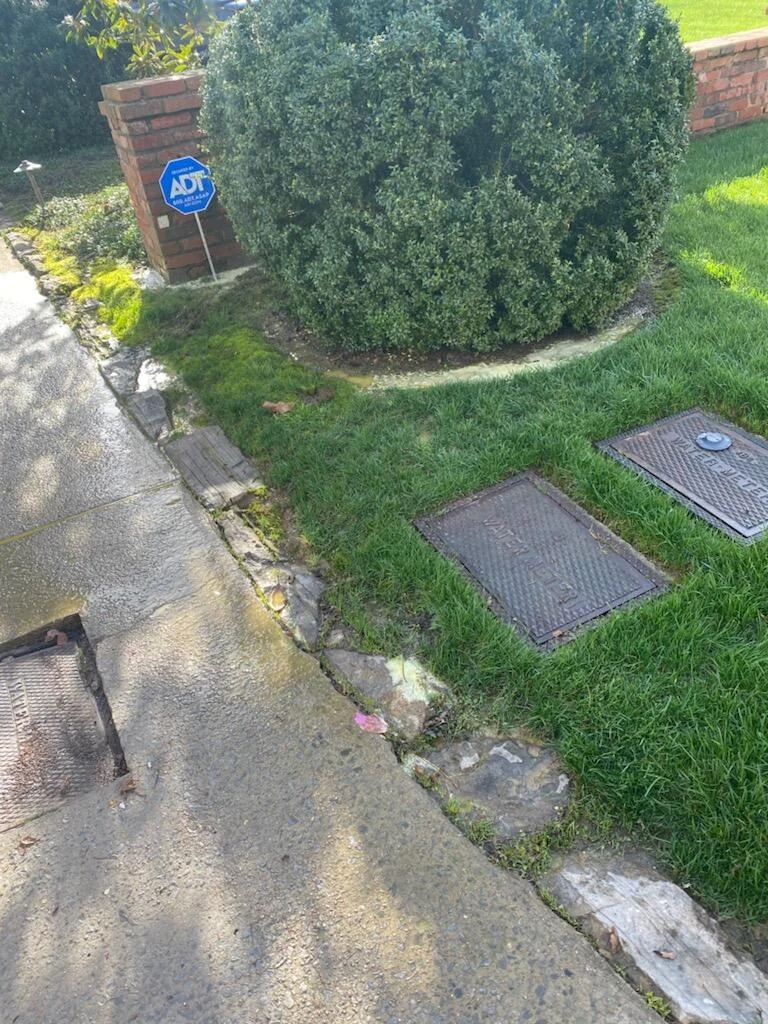
Newly Germinated Grass to Cobblestone Edging Showcasing Precision Seeding, Mr. Lawn Care, Middle Tennessee lawn treatment
Newly Germinated Grass to Cobblestone Edging Showcasing Precision Seeding
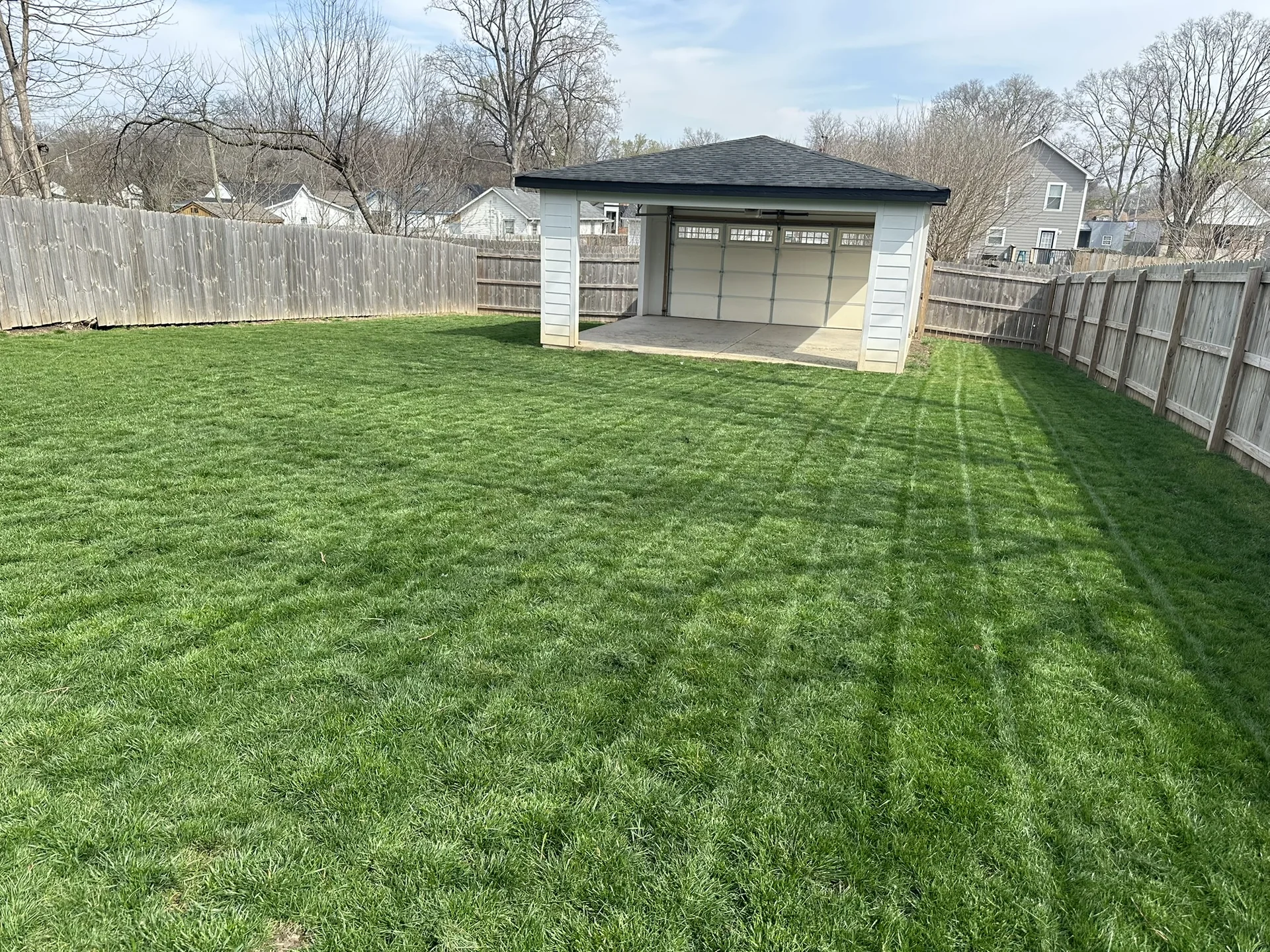
After Back Yard Fescue, Mr. Lawn Care, Middle Tennessee lawn treatment
After Back Yard Fescue
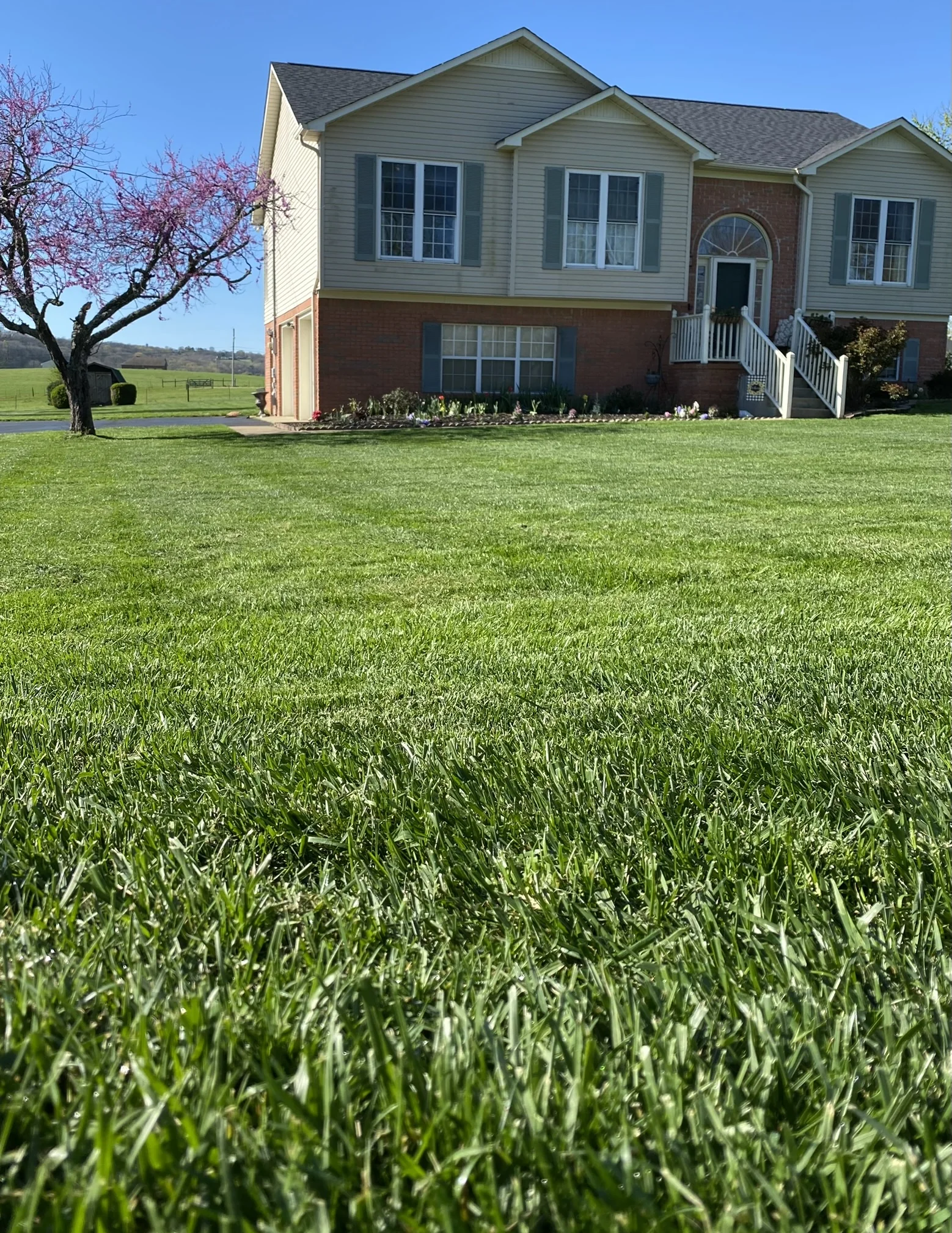
Low Angle Shot of a Beautiful Fescue Lawn and a Dogwood in Forground, Mr. Lawn Care, Middle Tennessee lawn treatment
Low Angle Shot of a Beautiful Fescue Lawn and a Dogwood in Forground
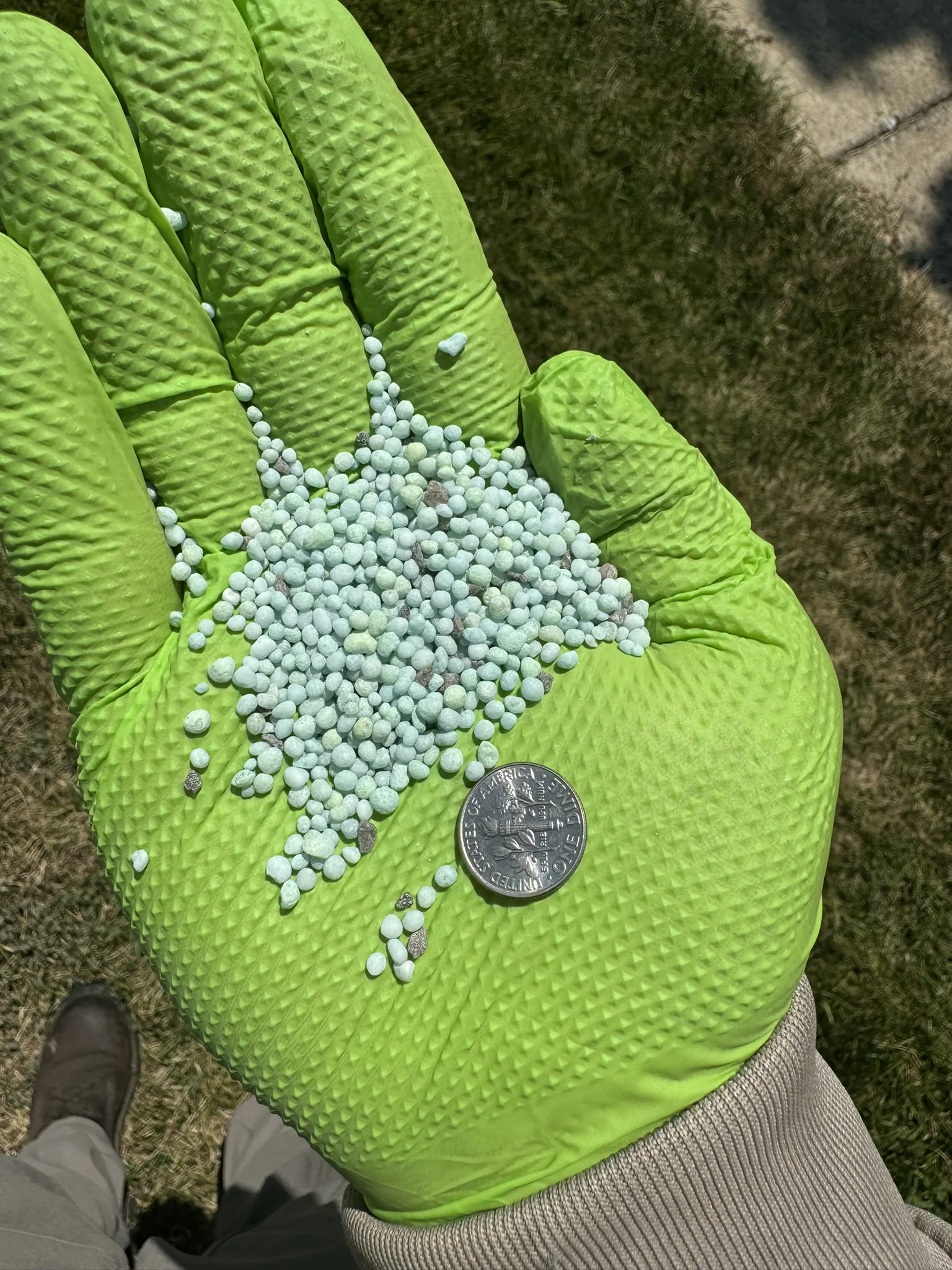
Granular Fertilizer Close up Dime for Scale, Mr. Lawn Care, Middle Tennessee lawn treatment
Granular Fertilizer Close up Dime for Scale

Ready for Lawn Aeration & Seeding in Mount Pleasant?

Get a free quote for professional lawn aeration & seeding from our UT Certified team. We serve all of Mount Pleasant and surrounding Maury County areas.