
R.L.
Columbia, TN
Mr Lawn, (AJ) made our lawn look so good that our neighbor hired him. AJ takes pride in his work and it shows.
View on GoogleMaury County · Lawn Aeration & Seeding
Professional lawn aeration & seeding for Columbia homeowners, delivered by Middle Tennessee's UT Certified lawn treatment specialists.
I live in Columbia, my trucks leave from Columbia, and this is the town where I see the widest spread of lawn situations anywhere I work.
Ten minutes of driving takes you from the established streets around Riverwalk, where the topsoil and the topography are still original, out to the new construction on the south side, where fescue is trying to root into graded fill with gravel in it. Those two lawns look nothing alike, and they need the same fall service for two different reasons. Aeration and seeding is how a Columbia yard gets a stand that can actually hold through a Maury County July, and there is exactly one short window a year when the job works the way it should.
01
Columbia still has real topography and real topsoil across much of its established side, the golf course neighborhoods especially, which is a genuine advantage over towns north of us that got scraped flat before anybody framed a house. What those lawns carry instead is age. The stand is whatever somebody seeded decades ago, and old fescue genetics thin a little more every summer.
One local quirk costs people money. A handful of Columbia's older estates are among the only lawns I have ever tested with genuinely low soil pH. Out of thousands of samples pulled across Middle Tennessee, fewer than ten came back low. I soil test every customer at signup rather than guess, and even here I rarely end up writing lime on a recommendation.
The south side is the opposite case. Builders grade with heavy equipment, gravel-contaminated fill ends up near the surface, and ground like that drains fast and runs hot. Hot shallow soil along driveways and boulevard strips is where common Bermuda grass, Cynodon dactylon, wins and fescue does not. Those yards also started life on contractor seed, so they are asking weak plants to hold bad ground.
Different houses, different decades, same fall answer.
02
Everybody waits for October. The nights cool off, the humidity finally breaks, and it feels like the moment to put seed down. By then you have given away the best part of the window.
A grass seed does not need good weather to start. It needs good weather about four weeks in. Put a fescue seed in a wet paper towel in a dark drawer, no light and no soil, and it will still push three or four inches on the reserves in its own seed pod. The seedling eats its own groceries first and only comes looking for help once they are gone.
Seed that goes down the last week of August runs out of reserves right as September and October arrive, and spends that stretch growing. Seed that goes down in mid October is still germinating while the same stretch closes. That gap is three to six weeks of growth and a noticeably more mature stand heading into winter. UT Extension puts the preferred fescue window at late August through mid September in publications PB 1576 and W 160-F, warning that late seedings produce immature plants prone to low-temperature stress.
Being based here is the one scheduling advantage my neighbors get. This fall should cooperate too. A strong El Niño is building for winter, and that pattern usually tilts Middle Tennessee toward a wetter than normal fall, which counts because fall is normally our dry season. My full read on the forecast is here.
I can only run five or six of these jobs a day, so the calendar has no slack in it, and a Columbia yard costs me no route planning to work around
Genetics decide how often you do this. A transition-zone fescue lawn running old genetics needs reseeding every single year just to stay presentable. A stand rebuilt out of modern improved cultivars averages about once every three. Contractor blends contain no improved cultivars, so a 2022 build on the south side and a 1970s estate closer in are effectively running the same old genetics and the same annual bill.
Better seed changes how many times you pay to rebuild the lawn this decade, and there is one way to make the change: put better seed through the existing stand each fall until the plant population turns over.
It is also why I do not sell this to everybody every year. In late summer I ask customers to walk outside, look at the yard, and answer one question. Do you have enough grass where you want grass? If yes, skip it and keep your money.
cores per square foot for effective cultivation
better establishment on open turf than broadcasting alone
growers and distributors worked through a year to build the blend
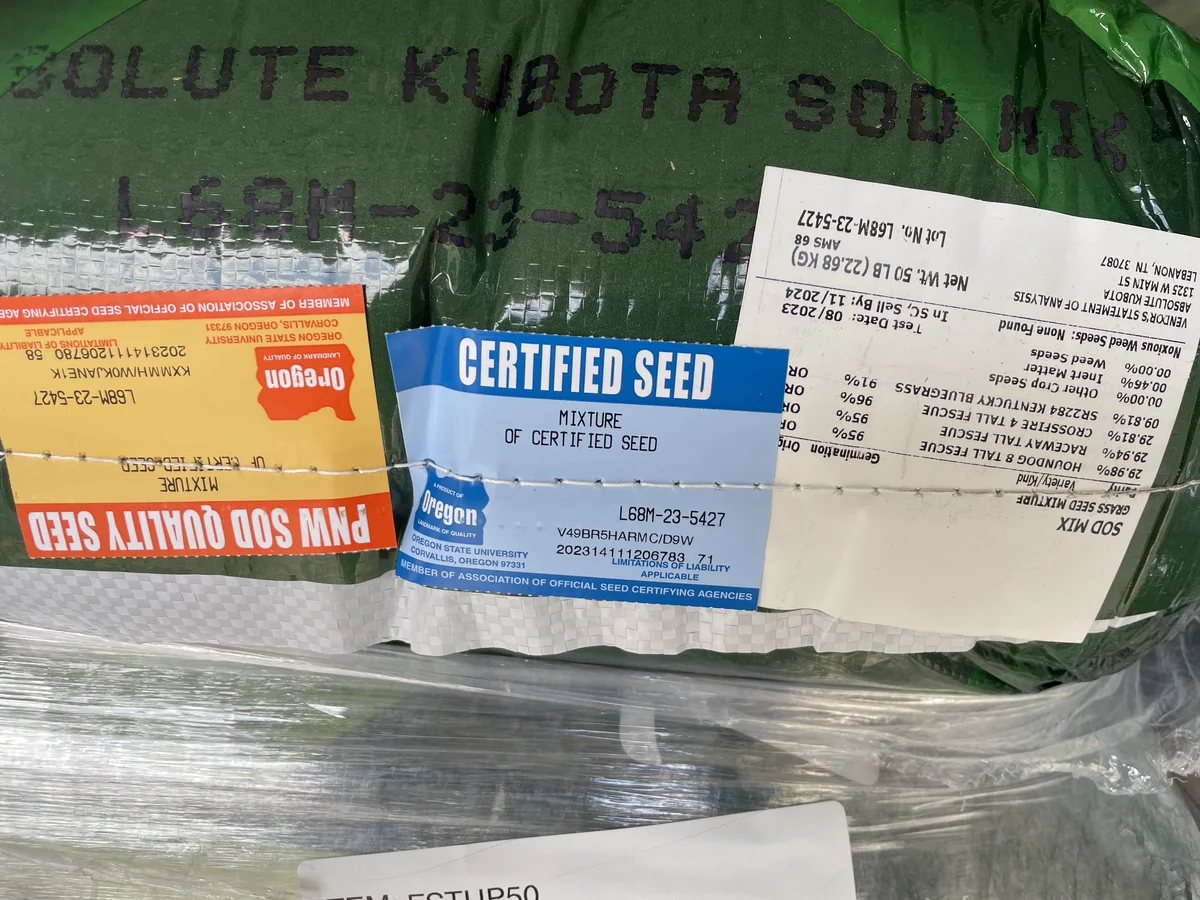
Seed certification runs three levels and most people have only seen the weakest. A white tag is federal law, a statement of contents rather than a standard of quality. A blue tag means a land-grant university verified the cultivar and enforced weed seed thresholds, though a failing lot can be resubmitted until it passes. Gold tag, Sod Quality Certified, is where I buy: a sample six times larger, zero tolerance on noxious weeds, field inspections through the season, and a third-party inspector at every transfer from harvest to final bag.
Sourcing it is the hard part. I contact 70 to 80 growers and licensed distributors a year, and gold tag availability shapes my roster as much as trial scores do. The cultivars come out of NTEP, the National Turfgrass Evaluation Program, five-year university field trials scoring disease resistance, drought tolerance, density, texture, and seedling vigor.
The body of my mix is three turf-type tall fescues: Traverse 2 SRP and 4th Millennium SRP, both carrying rhizomatous self-repair and improved brown patch resistance, and Triad, which adds gray leaf spot resistance and traffic recovery. All three are on UT Extension's list of statistically top-performing tall fescues for Tennessee from NTEP trials.
The other ten percent by weight is Kentucky bluegrass, Poa pratensis, and the cultivar is Barvette HGT out of Barenbrug's Healthy Grass Technology breeding program. It establishes unusually fast for a bluegrass, it knits laterally through rhizomes, which is the self-repair layer fescue cannot supply on its own, and it holds its stand through transition-zone summers with good summer patch tolerance. Ten percent by weight lands closer to thirty or thirty-five percent by plant count, since bluegrass seed is far smaller, and that is the ratio sod farms use.
I have never seen a tree drop an acorn with a core aerator attached to it. Throw seed on the ground and roughly 90 percent of it finds somewhere to grow. I cannot run a business on 90 percent, though, and the missing 10 percent is never scattered at random. It is the shaded strip along the drive, the ground under heavy leaf drop, and the run where Bermuda has matted over the surface so seed never touches soil at all. On open turf, aeration improves establishment a modest 10 to 15 percent over broadcasting alone. Through a Bermuda mat, in my experience, it runs closer to 75 or 90 percent, because the cores carry seed past the mat into soil it could never otherwise reach. On a south Columbia lot with Bermuda creeping out of the boulevard strip, that is the whole job.
I pull cores in parallel passes, then a second set at 45 degrees rather than 90, which lays a diamond and puts more holes per square foot in the ground. Seed drops through a metered seeder built into the aerator, straight into open holes, instead of being flung by a spinner into the mulch beds and the driveway. Tall fescue, Festuca arundinacea, produces only short rhizomes and spreads very little laterally, less still the lower you mow, so each plant essentially lives where its seed landed. Placement is not a detail.
Liquid aeration goes down with the cores as part of this service. It holds moisture in the top of the soil profile at seed depth through the weeks the seedling is still living on its own reserves. That buys germination speed, not germination rate: the same percentage comes up either way, it just comes up sooner. On a lawn with no irrigation that is the difference that matters, and it matters more here now that the City Council has approved water rate increases of up to 150 percent over five years, effective March 2026, for the $520 million Duck River intake and treatment project.
Core aeration does relieve compaction. It is essentially the only thing that relieves it without tearing the lawn out, and I am not going to say otherwise just because the industry oversells it. Two things are true alongside that. The relief is temporary, because the holes close within weeks, and it takes real core density to register: K-State puts effective cultivation at 15 to 30 cores per square foot, while one pass with a commercial spoon aerator delivers roughly half that, which is why one pass does not move the needle and two or three do.
Genuinely compacted soil is also rarer in a lawn than the marketing suggests, since root channels, biological activity, and freeze and thaw cycles work against it all year. The lawns that truly have it are the ones where people keep re-compacting the soil: the backyard that hosts every cookout, the patch where a kid takes soccer touches every evening, the dog's running lane. Those yards get real value from a second aeration in spring, which is what the standalone core and liquid aeration service exists for. In fall, aeration earns its price through what it does for the seed.
Everything I put down is guaranteed to germinate within 30 days. If an area gets missed or fails, I re-aerate and reseed it at no charge. With daily watering you usually see it inside seven to ten days.
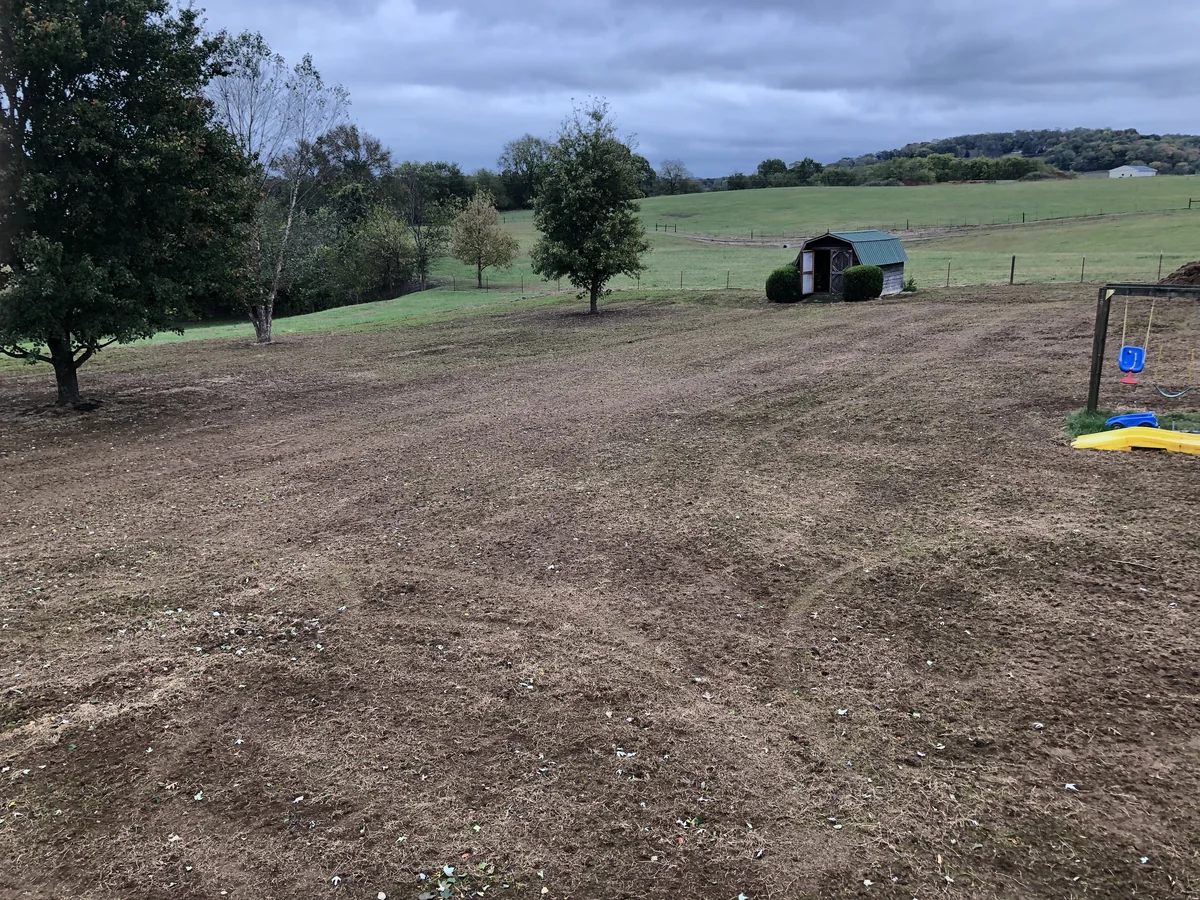
Middle Tennessee sits in the transition zone where both cool-season and warm-season grasses struggle. Fescue is the best choice for the region, but it requires annual overseeding to maintain density because it does not spread laterally like bermuda or zoysia. The summer heat stress common in the I-65 corridor thins fescue lawns every year, making fall overseeding an essential annual maintenance practice.
Get a customized lawn aeration & seeding plan for your Columbia property.
Request a QuoteOr call (615) 490-4082★ UT Certified Lawn Care Professional
★ Tennessee Turfgrass Association Member
★ Turfgrass Water Conservation Alliance Member
★ Nextdoor Neighborhood Favorite
★ BBB A+ Accredited
Late August through mid September, which is the window UT Extension names in publications PB 1576 and W 160-F, and it matches what I see in the field here. A fescue seedling lives off the reserves in its seed pod for roughly its first four weeks, so you want those reserves running out as the good fall weather arrives, not weeks before you ever put seed down. That is worth three to six weeks of growth over an October seeding. October still works when life gets in the way. It just gives up the strongest part of the season.
Usually no, and I will not guess at it, I will test. Low soil pH is genuinely rare in Middle Tennessee. Out of thousands of samples I have pulled, fewer than ten came back low, and several of those were older Columbia estates, which makes this one of the few towns where the question is even live. I soil test every customer at signup. If your sample is one of the rare low ones we correct it before seed goes down. If it is not, lime is money spent creating a problem you did not have.
It will contest it, and I would rather say that than oversell you. Those boulevard strips on the south side run hot because of the gravel in the fill, and heat along hardscape is Bermuda's home field. Fescue there needs every advantage: seed delivered down through aeration cores so it lands under the Bermuda mat and into soil, drought-rated modern cultivars, and a heavier rate. The aeration step matters more in matted Bermuda than anywhere else on a property. Some full-sun gravel strips will always want to be Bermuda, and I will tell you which ones at the estimate.
It depends entirely on the genetics in your stand. An old-genetics fescue lawn, which includes essentially every contractor-seeded new build in south Columbia, needs seed every year just to stay full. A stand rebuilt from modern NTEP-selected cultivars averages about once every three years. So the test I give customers in late summer is to walk the yard and decide whether there is enough grass where you want grass. If there is, skip the service and keep your money. Upgrading the genetics is what moves you off the annual clock.
Three turf-type tall fescues, Traverse 2 SRP, 4th Millennium SRP, and Triad, at 90 percent by weight, with Barvette HGT Kentucky bluegrass at the other 10 percent. All three fescues are on UT Extension's list of statistically top-performing tall fescues for Tennessee from NTEP trials, and I buy at gold tag, Sod Quality Certified, so nothing rides into your lawn with the seed. Every cultivar I plant is guaranteed to germinate within 30 days. If an area gets missed or fails, I re-aerate and reseed it at no charge.
R.L.
Columbia, TN
Mr Lawn, (AJ) made our lawn look so good that our neighbor hired him. AJ takes pride in his work and it shows.
View on GoogleK.M.
Columbia, TN
Mr. Lawn care in Columbia he's been with us about five months and the lawn has never looked so great. I want to thank Him and his lawn care abilities trust me, I used to do my large lawn for almost 20 years back then… Read K.M.'s full review
View on GoogleA.K.
Columbia, TN
We love Mr. Lawn, they do a great job. Our grass has never looked better. I also appreciate all the additional information that Mr. Lawn sends are way. Thank you for doing a stellar job, highest praises.
View on GoogleR.L.
Columbia, TN
Mr. Lawn. AJ is very friendly and has been knowledgeable about the various issues with our yard. He customizes our treatments based on our needs. He's also here when he says he'll be and his prices are great!
G.W.
Columbia, TN
I have used 2 of the top lawn care services over the last 5 years with marginal success. One of the brand name services primarily used granular treatments and the other primarily liquid. The major problem is, they treat…
S.B.
Spring Hill, TN
AJ is wonderful. We are so happy that we chose him to do our yard. We now have carpet grass instead of weeds and dirt. After trying to create a carpet of grass for 14 years and failing, We hired AJ (Mr. Lawn). He tested… Read S.B.'s full review
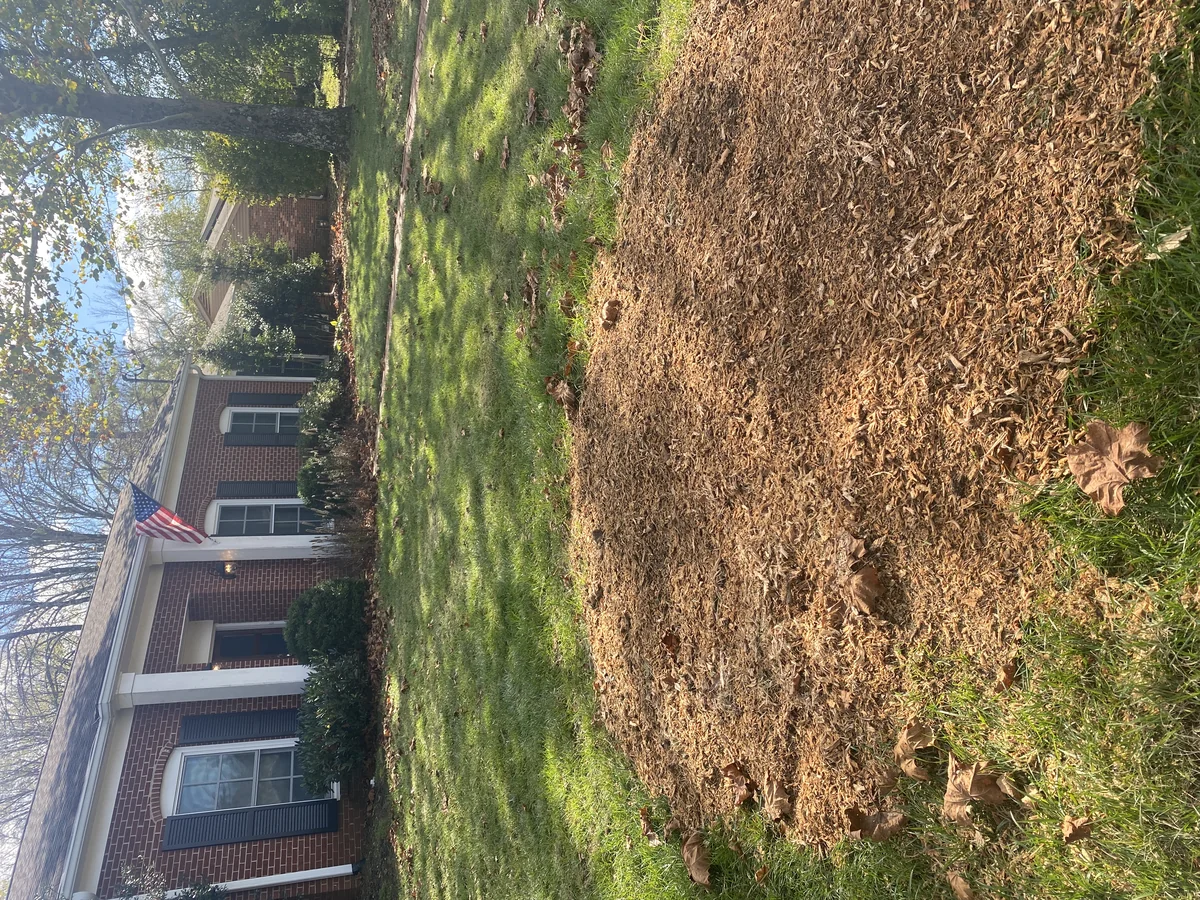
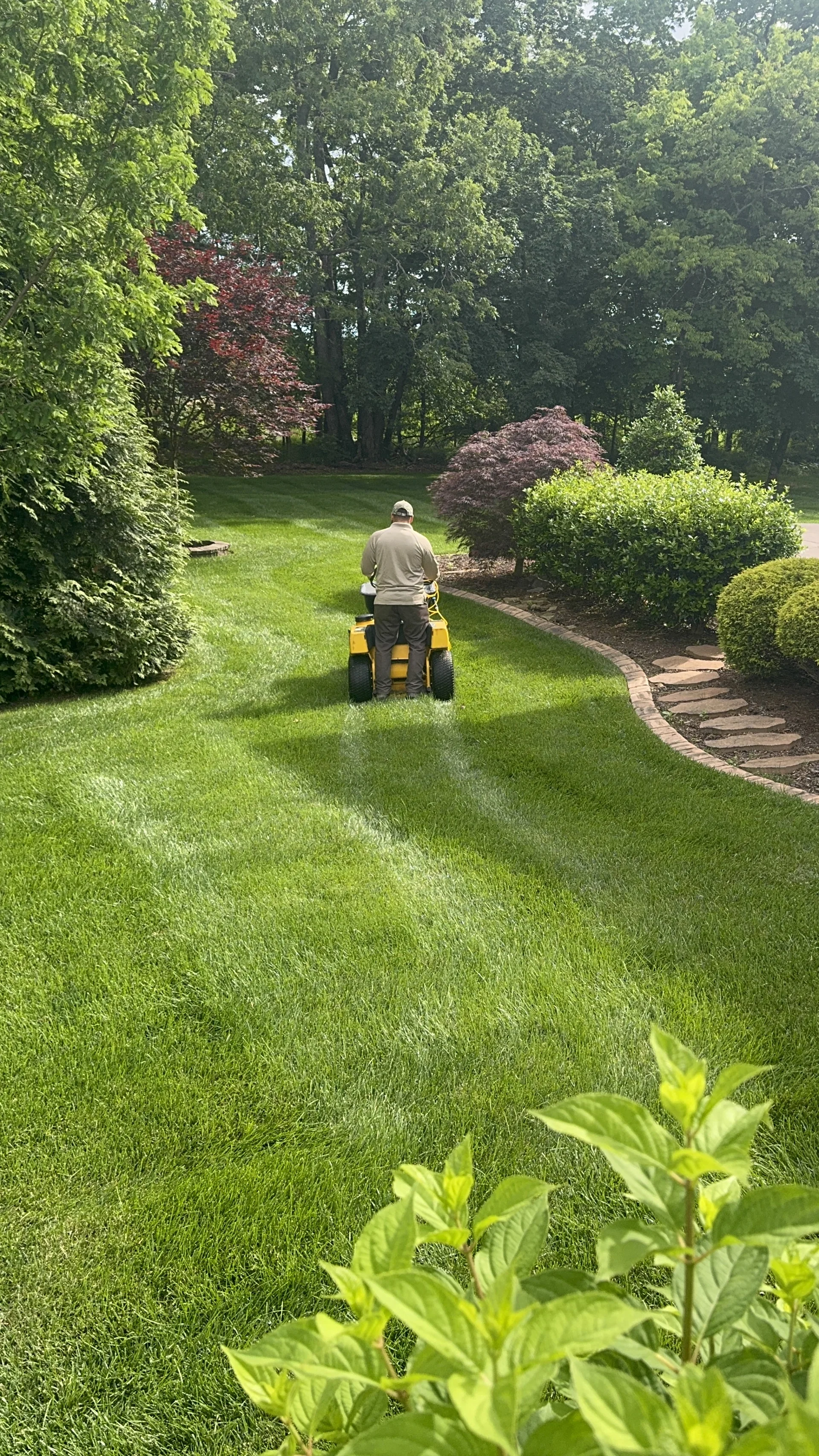
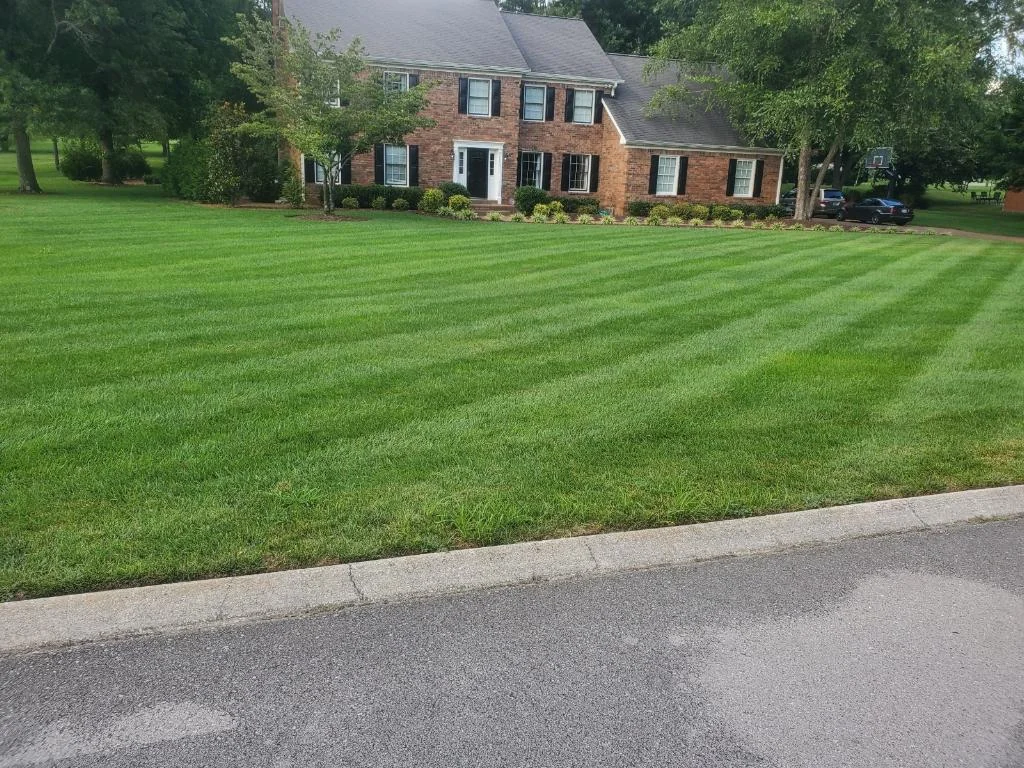
View on GoogleActual photos from lawn aeration & seeding jobs in Columbia and surrounding Middle Tennessee areas.
Get a free quote for professional lawn aeration & seeding from our UT Certified team. We serve all of Columbia and surrounding Maury County areas.