About Sweet Bay Magnolia
Sweet Bay Magnolia (Magnolia virginiana)
Laurel Magnolia, Swamp Magnolia
Full to part sun, wet to moist, tolerates periodically flooded soils and clay, pH 4.5-6.0; does not tolerate alkaline soils or prolonged drought.
10-35 feet tall by 10-25 feet wide; blooms May-July with creamy white, lemon-scented flowers 5-8 cm across; cone-like fruit 3-5 cm long with red seeds in fall. Semi-evergreen to evergreen in milder winters; deciduous in colder portions of its range. Growth rate medium.
Native region: Scattered in Middle and East Tennessee in moist, poorly drained sites; more common in West Tennessee bottomlands and the Coastal Plain.
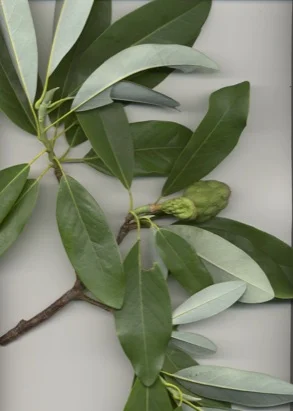
Distinct from M. grandiflora by its smaller, silver-backed leaves, smaller flowers, and strong preference for wet sites, where grandiflora requires good drainage, virginiana thrives in rain gardens, swales, and low spots that collect water. The two-tone leaf, glossy green above, silvery-white below, flutters visibly in wind, providing a distinctive textural effect. In Middle Tennessee's heavy clay soils, this is often the more reliable magnolia species because wet clay suits its moisture requirements. Magnolia scale can affect this species as it does other magnolias; inspect small branches for waxy bumps in late summer. Mulch root zones to retain moisture. Fragrant flowers attract various pollinators including beetles, which are among the primary pollinators of the Magnoliaceae.
Quick Facts
- Common Name
- Sweet Bay Magnolia
- Scientific Name
- Magnolia virginiana
- Plant Type
- Tree
- Region
- Middle Tennessee