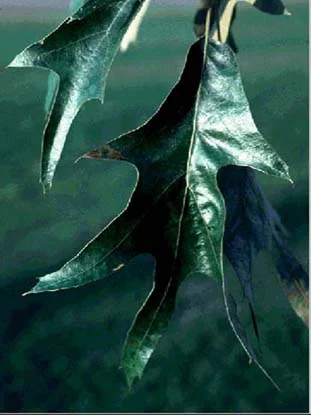
About Southern Red Oak
Southern Red Oak (Quercus falcata)
Spanish Oak
Full sun, medium to dry moisture, tolerates infertile sandy loam, clay, and rocky soils, pH 4.5-6.5; drought-tolerant once established.
70-80 feet tall by 40-60 feet wide; blooms in spring as leaves emerge with yellow-green male catkins and inconspicuous female spikes; small round to oblong acorns 1-1.5 cm with a shallow saucer-like cup, requiring two growing seasons to mature. Growth rate medium.
Native region: Statewide in Tennessee, common on dry upland ridges, sandy soils, and the Coastal Plain; extends into the Highland Rim of Middle Tennessee.
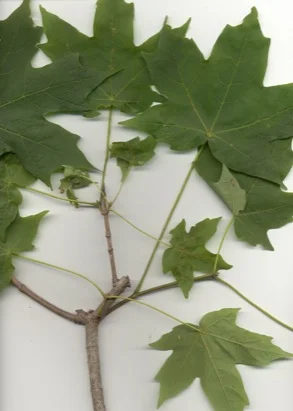
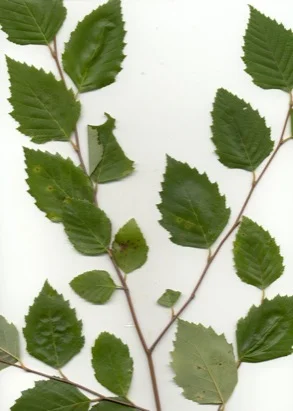
The defining identification feature of Quercus falcata is the terminal leaf lobe: it is elongated and sickle-shaped (falcata = sickle), projecting distinctly beyond the two lateral lobes on either side, a character not shared by Shumard or Northern Red oak. Leaves are typically three-lobed at the tip with a broader base, highly variable within the species. Southern Red Oak is among the more drought-tolerant of the red oak group and established well on the dry chert ridges and sandy soils of Tennessee before European settlement, where it co-dominated with post oak. UT Extension shade tree publications document oak wilt, leaf blister, cankers, and leaf spot as the principal disease threats common to all Tennessee oaks; bacterial leaf scorch (Xylella fastidiosa) is an additional concern in landscape specimens. Acorns ripen in the second year and are a reliable mast source for turkeys and wood ducks.
Quick Facts
- Common Name
- Southern Red Oak
- Scientific Name
- Quercus falcata
- Plant Type
- Tree
- Region
- Middle Tennessee