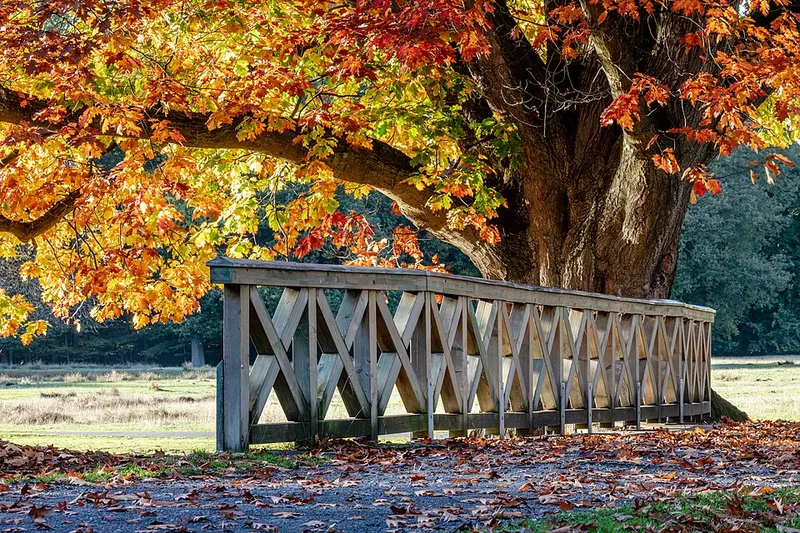
About Northern Red Oak
Northern Red Oak (Quercus rubra)
Red Oak
Full sun, medium moisture, grows in sandy loam, loam, silt loam, and clay loam; requires acidic pH (4.5-6.5), iron chlorosis develops on alkaline soils.
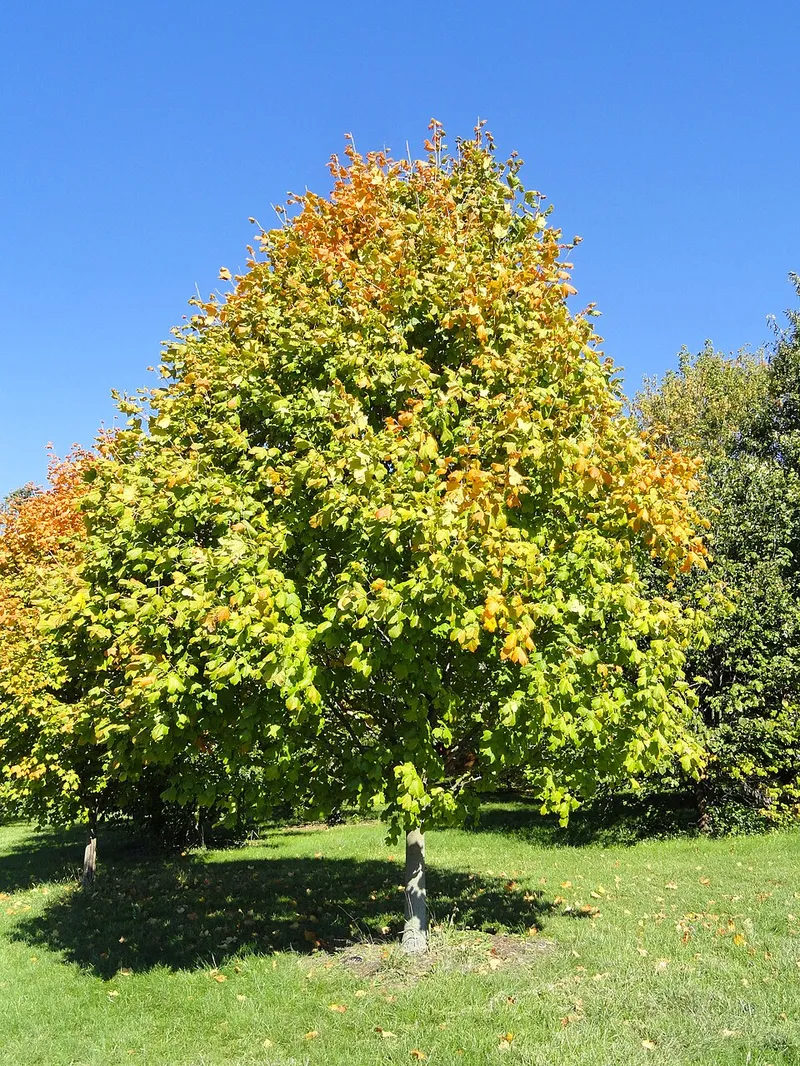
60-75 feet tall by 40-60 feet wide; blooms in spring with yellowish-green male catkins and inconspicuous female spikes; acorns 19-32 mm wide, flat-saucer-shaped cup covering only one-quarter to one-third of the broad base, requiring two growing seasons to mature. Growth rate fast compared to most oaks, 60 cm per year in youth.
Germination Code C (cold stratification, 30-45 days); transplants well from container nursery stock relative to other red-group oaks.
Native region: Statewide in Tennessee, most common on well-drained upland slopes and ridges; one of the dominant hardwoods of East and Middle Tennessee ridge-top forests.
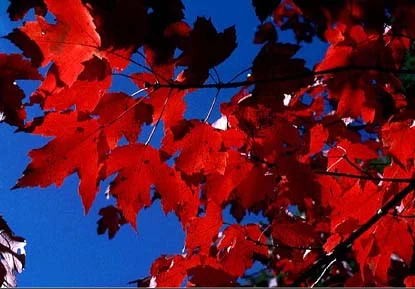
Quercus rubra is the standard by which other oaks are measured in Tennessee nursery and landscape work, fast-establishing, reliably fall-coloring (red to orange-red), and adaptable to a range of acidic soils. The very flat, shallow acorn cup (saucer-like) that covers only the base of the broad acorn is the clearest field separation from Shumard and Scarlet oaks, which have deeper cups. UT Extension shade tree publications document oak wilt as the most serious disease risk in the red oak group: the pathogen (Bretziella fagacearum) spreads through root grafts and beetle vectors and can kill a red oak within weeks of symptom onset. Pruning wounds made between April and July are primary infection entry points; prune only in winter when beetle vectors are inactive. Bacterial leaf scorch (Xylella fastidiosa) causes progressive marginal leaf scorch and branch dieback and is confirmed in Tennessee landscape oaks.
Quick Facts
- Common Name
- Northern Red Oak
- Scientific Name
- Quercus rubra
- Plant Type
- Tree
- Region
- Middle Tennessee