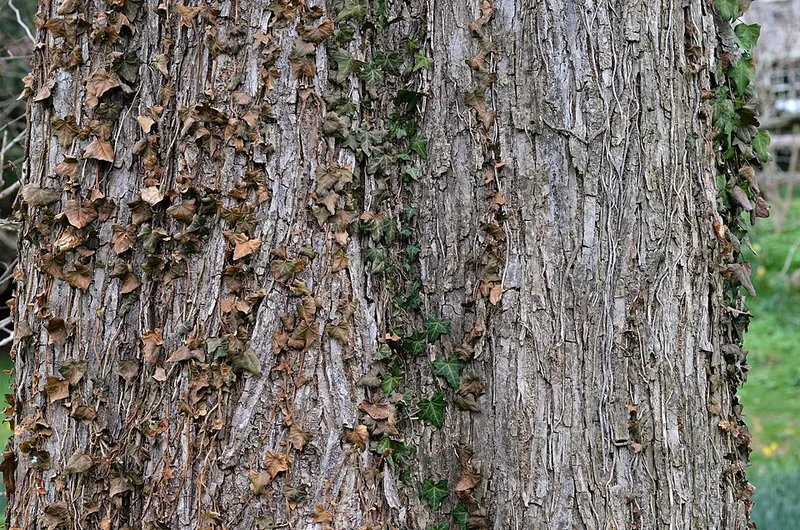
About Slippery Elm
Slippery Elm (Ulmus rubra)
Full to part sun, moderately moist to medium moisture, tolerates clay, loam, and rocky soils, pH 5.0-8.0.
40-60 feet tall by 30-40 feet wide; inconspicuous flowers in February-March before leaf-out; fruit is a round samara 13-20 mm diameter with a hairy seed center, ripening in spring. Growth rate medium.
Seed germination code A, seeds shed in late spring and germinate immediately; store at cold temperatures only for short periods.
Native region: Statewide in Tennessee, most frequent on moist slopes, rocky hillsides, and disturbed woodlands; common throughout Middle Tennessee.
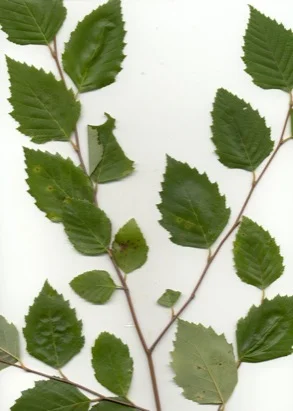
Slippery Elm is identified by its rough, sandpaper-textured upper leaf surface, noticeably rougher than U. americana · and by the mucilaginous inner bark that gives the species its common name. That inner bark has an extensive history of medicinal use for soothing throat and digestive inflammation. Like American Elm, it is susceptible to Dutch Elm Disease, though generally less severely affected than U. americana in Tennessee populations. The elm bark beetle (Hylurgopinus rufipes) is the primary vector in this region. Crotch angles in older trees tend to be narrow, increasing risk of storm breakage; structural pruning when young reduces this hazard. Provides larval host plant for several Polygonia comma and question-mark butterflies.
Quick Facts
- Common Name
- Slippery Elm
- Scientific Name
- Ulmus rubra
- Plant Type
- Tree
- Region
- Middle Tennessee