About Lungwort
Lungwort (Pulmonaria longifolia)
Long-leaved Lungwort, Joseph's Coat
Part to full shade, medium to moist, prefers humus-rich well-drained loam, pH 5.5-7.0; intolerant of hot, dry conditions or waterlogged soil.
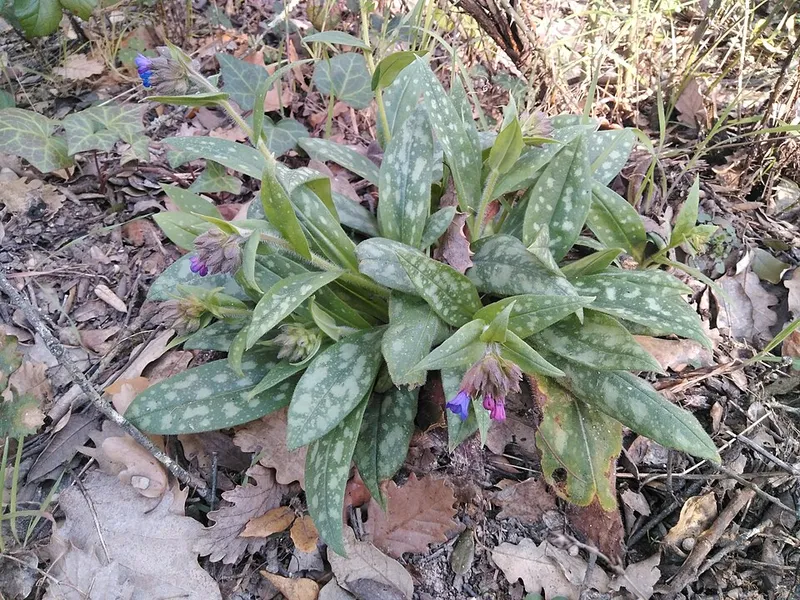
20-30 cm tall by 45-60 cm wide; blooms March-April with funnel-shaped flowers opening pink and fading to blue-violet; long, narrow leaves (to 40 cm) heavily spotted silver-white. Spreads slowly by rhizomes.
Division in early fall is the preferred propagation method; best divided every 3-4 years to maintain vigor.
Native region: Not native to Tennessee; ornamental introduction from western Europe.
Distinct from P. saccharata (Bethlehem sage) by its narrower, more elongated leaves and slightly later bloom period. P. longifolia is considered one of the more heat-tolerant lungworts, which matters in Middle Tennessee's summers where most Pulmonaria species collapse in heat and humidity. Even so, afternoon shade is essential, direct afternoon sun in Zone 7a causes rapid leaf scorch, and the species is marginal in exposed south-facing beds around Columbia. Powdery mildew disfigures foliage severely by midsummer in humid conditions; cutting foliage back to the ground after bloom triggers fresh growth that remains presentable through fall. Deer-resistant due to hairy leaves.
Quick Facts
- Common Name
- Lungwort
- Scientific Name
- Pulmonaria longifolia
- Plant Type
- Tree
- Region
- Middle Tennessee