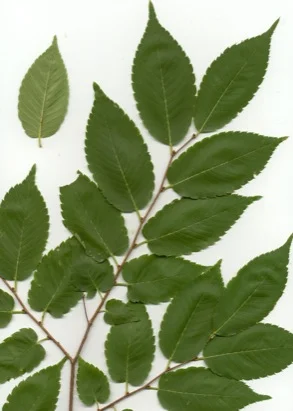
About Japanese Zelkova
Japanese Zelkova (Zelkova serrata)
Full to part sun, medium to moderately dry moisture, tolerates clay and loam soils, pH 5.5-8.0.
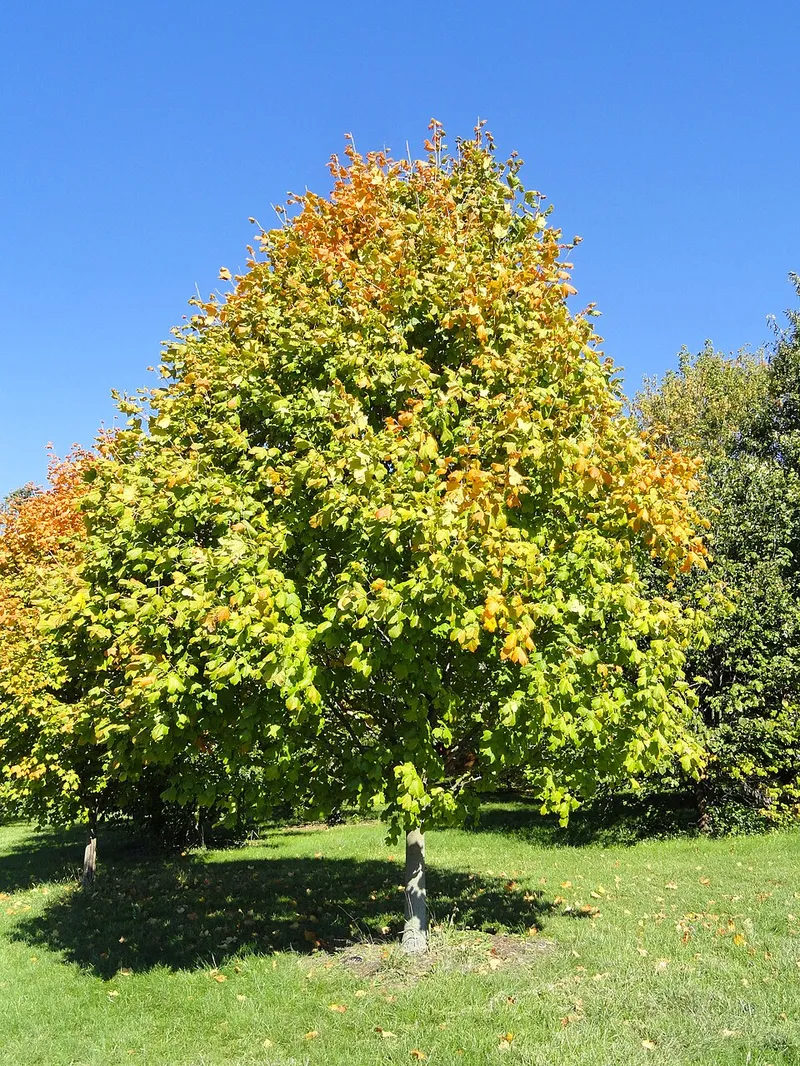
50-80 feet tall by 50-75 feet wide; inconspicuous flowers in spring as leaves emerge; fruit is a small dry drupe, 4-6 mm, in fall. Growth rate medium to fast. Multiple ascending branches from a short trunk produce a characteristic vase or broom-shaped crown.
Native region: Not native to Tennessee; ornamental introduction from Japan, Korea, and eastern China.
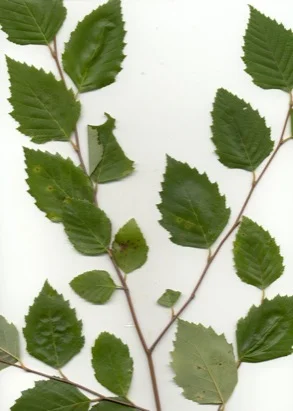
Zelkova serrata was widely planted as a substitute for American Elm after Dutch Elm Disease, and it mimics the elm's vase silhouette while resisting the disease. It is a member of the Ulmaceae (elm family) and shares the elm's tolerance for urban stresses, compacted clay soils, drought, and roadway conditions. In Middle Tennessee's Zone 6b/7a climate, zelkova is reliably cold-hardy and handles summer humidity without significant fungal problems, unlike many Asian ornamentals. Japanese beetle (Popillia japonica) feeding is the primary aesthetic concern. Fall color ranges from yellow to bronze-red and can be excellent in good years. Bacterial leaf scorch (Xylella fastidiosa) has been documented in zelkova in the southeastern United States and should be considered in diagnostic assessments of leaf margin necrosis.
Quick Facts
- Common Name
- Japanese Zelkova
- Scientific Name
- Zelkova serrata
- Plant Type
- Tree
- Region
- Middle Tennessee