About Japanese Tree Lilac
Japanese Tree Lilac (Syringa reticulata)
Full sun, medium moisture, well-drained loam to clay-loam, tolerates slightly alkaline soils, pH 5.5-7.5.
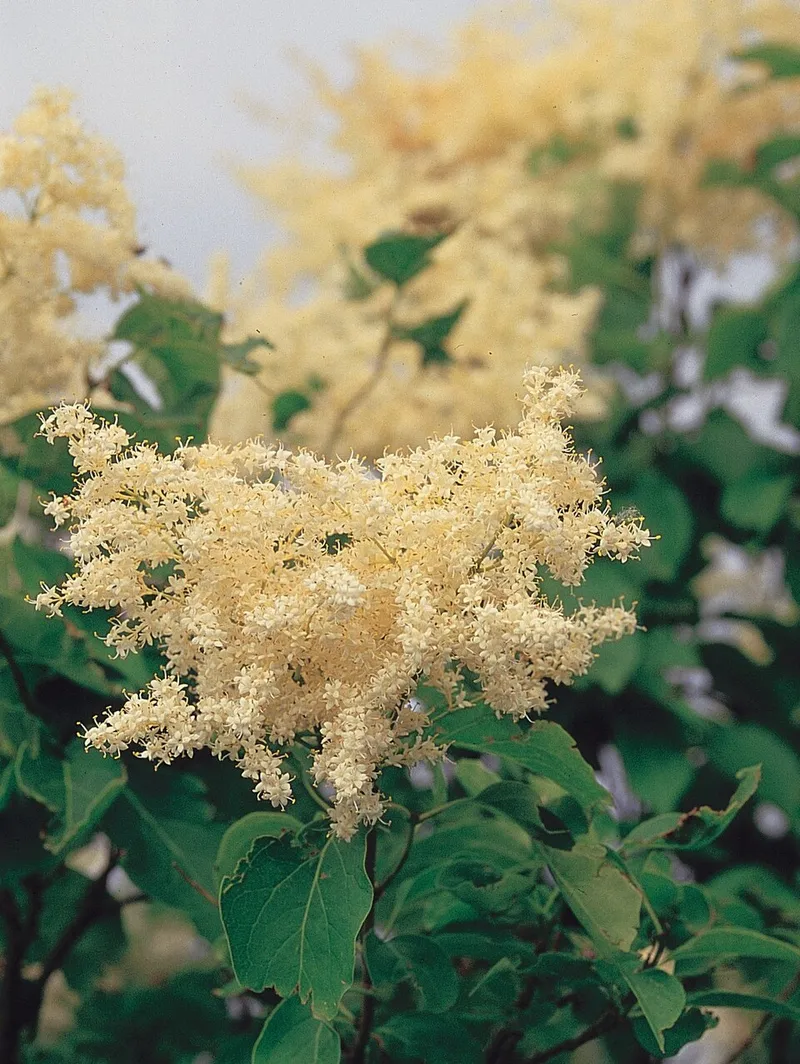
20-30 feet tall by 15-20 feet wide; large, creamy white flower panicles 20-30 cm long with a privet-like fragrance in June, among the latest-blooming lilacs; fruit is a dry, leathery capsule, persisting into winter. Growth rate medium. Cherry-like bark with prominent lenticels is ornamentally attractive year-round.
Native region: Not native to Tennessee; ornamental introduction from Japan and northeastern China.
Syringa reticulata is the largest of the lilacs and the only one that reliably flowers in Middle Tennessee's Zone 7a heat, common lilac (S. vulgaris) requires more winter chilling hours and often fails to bloom well south of Zone 6. Japanese tree lilac blooms in June when the main lilac season has long passed, filling a gap in the flowering tree calendar between spring and summer. Powdery mildew (Microsphaera syringae) affects common lilacs severely but is generally milder on S. reticulata. Lilac borer (Podosesia syringae) tunnels into trunks of stressed specimens, the same pest that attacks white ash in Tennessee; infestations are signaled by sawdust frass at entry holes and should be addressed with trunk protection during adult flight in spring. Scale insects occasionally colonize weakened branches. Not invasive in Tennessee.
Quick Facts
- Common Name
- Japanese Tree Lilac
- Scientific Name
- Syringa reticulata
- Plant Type
- Tree
- Region
- Middle Tennessee