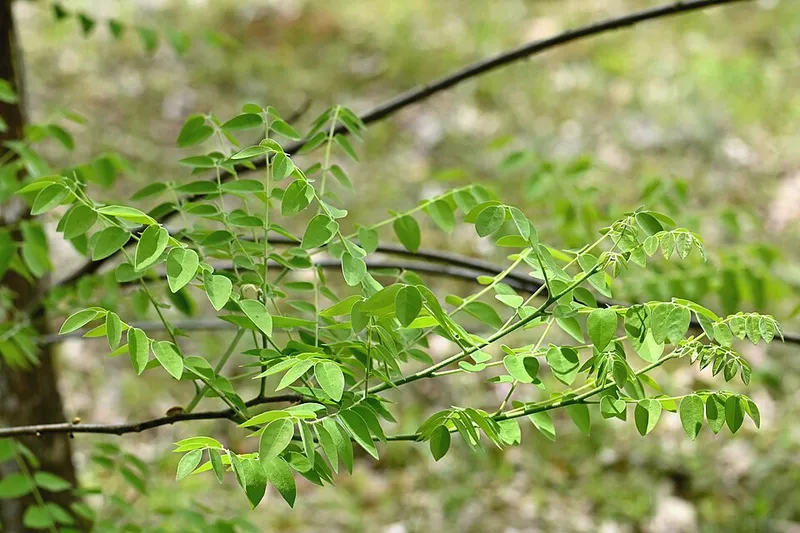
About Amur Maackia
Amur Maackia (Maackia amurensis)
Full sun, medium to moderately dry moisture, tolerates clay and loam soils, pH 5.5-7.5.
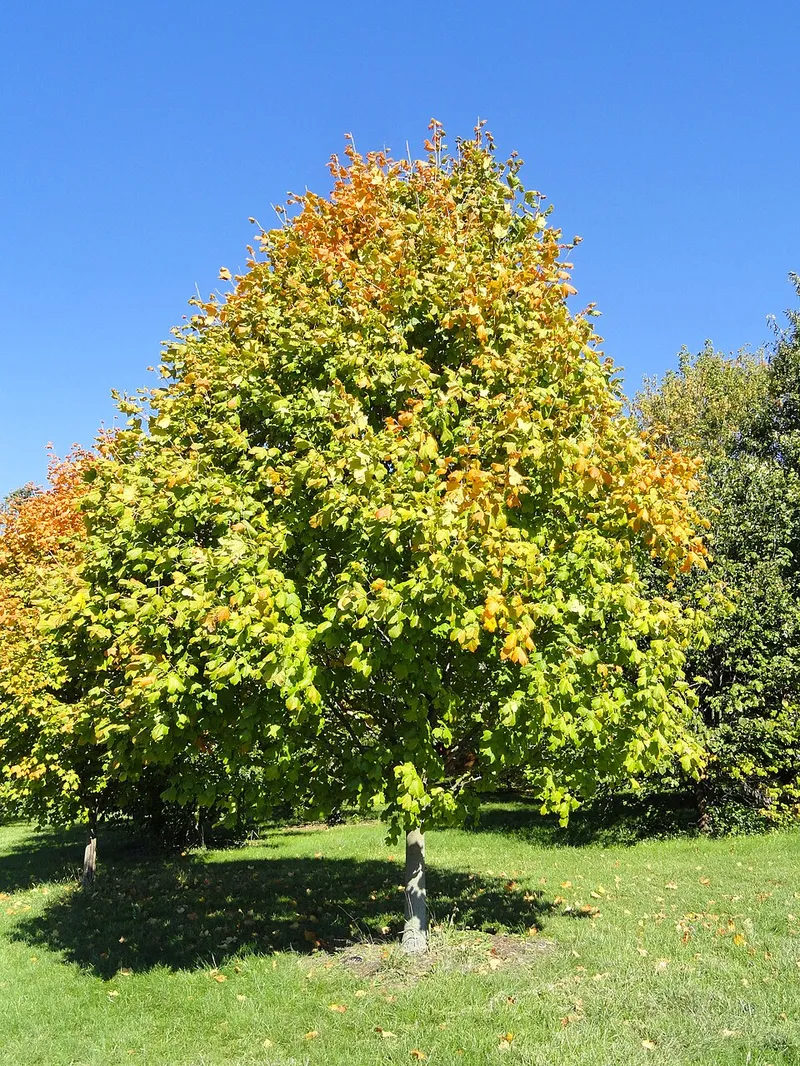
20-30 feet tall by 20-25 feet wide; small, dull white flowers in upright racemes 10-15 cm long in July-August, blooming later in summer than most ornamental trees; fruit is a flat brown pod 3-5 cm long, ripening in fall. Growth rate slow. Bark peels in thin amber to copper-colored scales on mature trunks.
Native region: Not native to Tennessee; ornamental introduction from northeastern China and the Russian Far East.
Maackia amurensis is a nitrogen-fixing legume, like its relative Cladrastis kentukea (yellowwood), with root nodules that contribute soil fertility. Its mid-summer bloom period, when few other trees are flowering, and attractive exfoliating bark give it ornamental value in Middle Tennessee landscapes across the Zone 6b/7a transition. Cold hardiness is excellent, reliably surviving Middle Tennessee winters without dieback. It is tolerant of urban conditions and compacted clay soils, which suits it for streetscape and commercial planting along the I-65 corridor. Emerging spring foliage has a distinctive silvery-gray sheen before transitioning to dark green. Pest and disease pressure is low, no serious insect or disease problems are documented in Tennessee landscapes. Tolerates drought once established but performs best with consistent moisture during establishment.
Quick Facts
- Common Name
- Amur Maackia
- Scientific Name
- Maackia amurensis
- Plant Type
- Tree
- Region
- Middle Tennessee