About Sensitive Fern
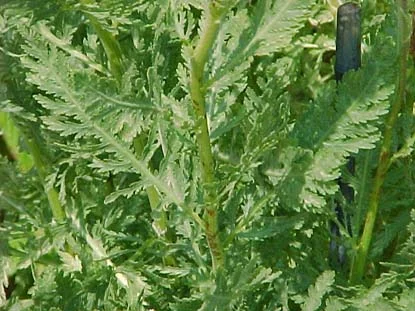
Sensitive Fern (Onoclea sensibilis)
Bead Fern
Part shade to full shade, moderately wet to wet moisture, tolerates heavy clay soils; not drought-tolerant, name refers to its sensitivity to early frost, which blackens fronds immediately.
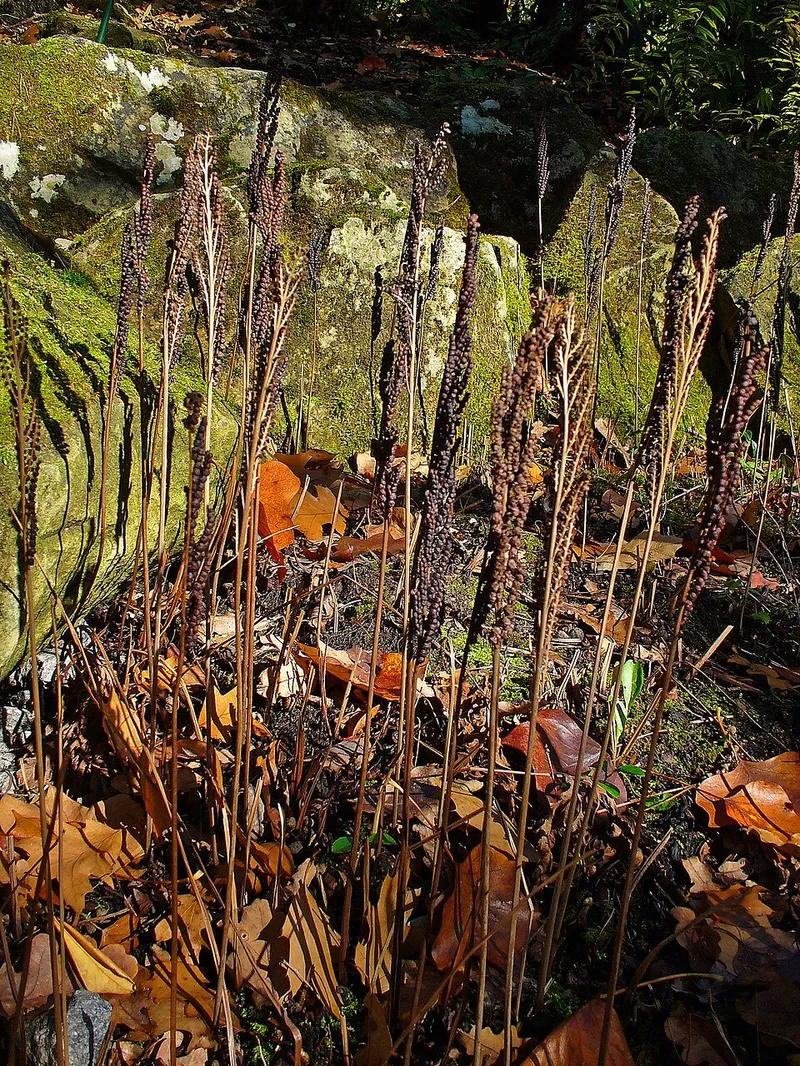
3-4 feet tall by 3-4 feet spread; fronds die back at first frost; fertile fronds produce distinctive bead-like spore-bearing pinnules that persist through winter and into spring; spreads aggressively by rhizome to form large colonies.
Native region: Statewide in Tennessee, most common along stream margins, wet ditches, and seasonally flooded woodland edges.
One of the most aggressive colonial ferns in the Middle Tennessee landscape, a single plant can cover several square feet within two growing seasons via running rhizomes. Appropriate for wet problem areas where other plants fail: low-lying clay spots along fencerows, drainage swales, and shaded creek banks in the Columbia area. Not appropriate for formal beds adjacent to lawn edges, as it will invade turf. Fertile bead-like fronds are used in dried floral arrangements. Divide in early spring to control spread or establish new colonies.
Quick Facts
- Common Name
- Sensitive Fern
- Scientific Name
- Onoclea sensibilis
- Plant Type
- Perennial
- Region
- Middle Tennessee