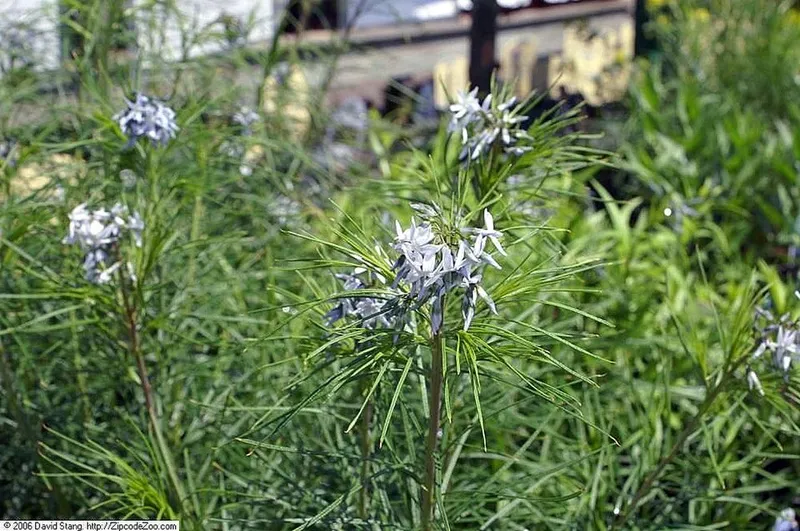
About Arkansas Blue Star
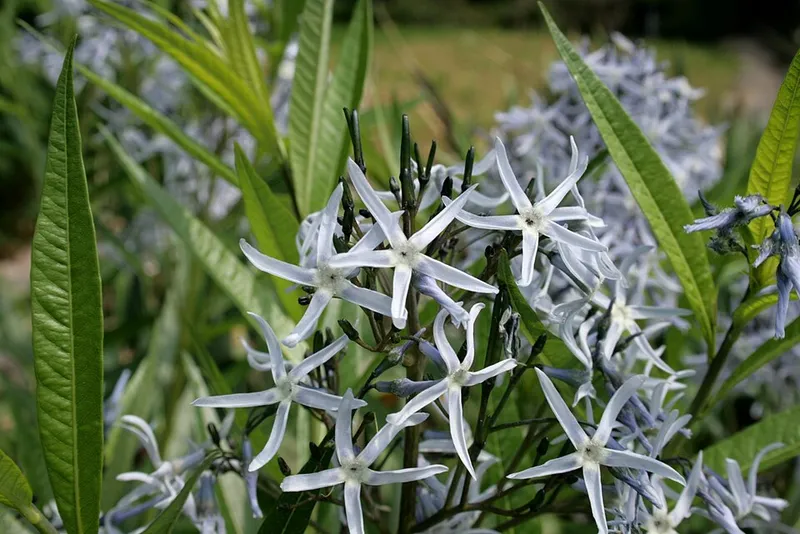
Arkansas Blue Star is a standout perennial for Middle Tennessee landscapes, thriving in the transition between USDA hardiness zones 6b and 7a. Known scientifically as Amsonia hubrichtii, it is particularly valued in our region for its exceptional tolerance of high summer humidity and heavy clay soils. This native selection provides a unique feathery texture that contrasts beautifully with broader-leaved garden favorites like hydrangeas or hostas.
Quick facts
- Hardiness: Zones 6-9 (fully hardy in Middle Tennessee 6b/7a)
- Light: Full sun (minimum 6 hours) is required for best fall color and to prevent stems from flopping.
- Mature size: 2-3 feet tall and wide, forming a shrub-like mound.
- Growth rate: Moderate; may take one to two seasons to reach full aesthetic impact.
- Best soil: Well-drained soil is preferred, though it is highly adaptable to various pH levels and Nashville-area clay.
When to plant For the best results in Middle Tennessee, plant Arkansas Blue Star in early spring (March to April) or during the fall (September to October). Planting in the fall allows the root system to establish during our mild winters before the stress of a humid Tennessee summer. Container-grown plants are the most common and successful for local installation.
Pruning After the powdery blue flowers fade in late May or early June, cut the entire plant back by approximately one-third to one-half (leaving 6 to 8 inches of growth). This encourages a denser, more compact habit and prevents the stems from splaying open in mid-summer. Caution: Always wear gloves when pruning, as the plant contains a milky, latex-filled sap that can cause skin irritation.
Fertilizing This species requires very little supplemental nutrition. In Middle Tennessee's naturally nutrient-rich soils, over-fertilizing is a common mistake that leads to weak, floppy stems. If growth seems stunted, apply a light dressing of compost or a balanced, slow-release fertilizer in early spring as new shoots emerge.
Best varieties for our region
- 'String Theory': A more compact selection (reaching 18-22 inches) that maintains a tighter mound than the straight species.
- 'Butterscotch': Prized for its superior resistance to tip dieback and an exceptionally vivid golden-orange fall color.
Common problems
- Stem Flopping: This usually occurs when the plant is grown in too much shade or in overly fertile soil; proper pruning and full sun exposure are the best remedies.
- Sap Sensitivity: The milky sap is a natural defense against deer and rabbits but can irritate human skin during maintenance.
- Transplant Stress: Due to a deep taproot, mature specimens do not move well. Select a permanent location to avoid the struggle of relocating established clumps.
Quick Facts
- Common Name
- Arkansas Blue Star
- Scientific Name
- Amsonia hubrichtii
- Plant Type
- Perennial
- Region
- Middle Tennessee