About False Indigo
False Indigo (Baptisia spp.)
Wild Indigo
Prefers full sun but tolerates some shade; moderately wet to dry moisture level; most soils including rocky and clay; neutral to slightly alkaline pH.
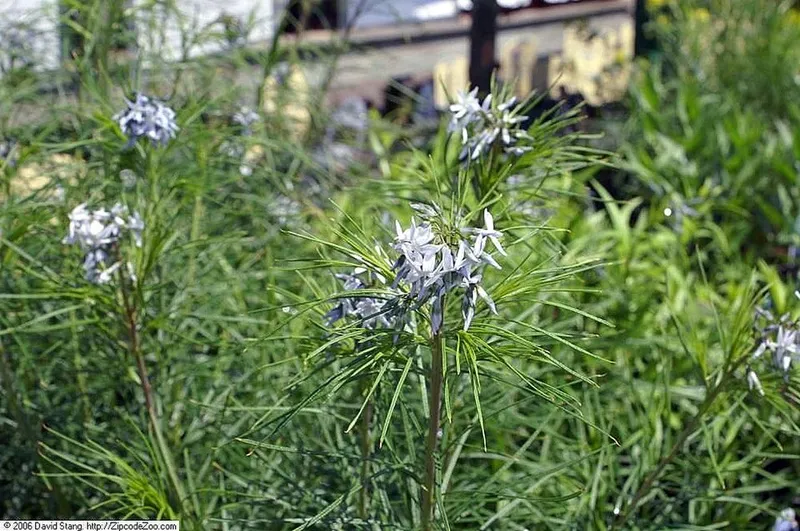
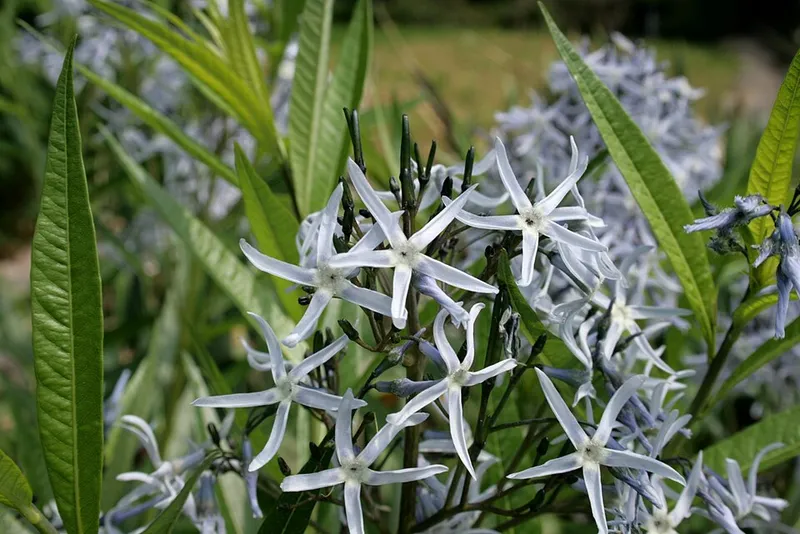
3-4 feet tall and 3-4 feet wide at maturity, blooms spring to early summer; flower color varies by species, blue-purple (B. australis), white (B. alba), yellow (B. sphaerocarpa); inflated seed pods are ornamentally valuable in fall; spreads slowly by seed and rhizomes.
Germination Code: C(10), H, I, scarification plus stratification; requires several years to flower from seed. Does not transplant well once established; best left undisturbed.
Native region: Baptisia australis occurs in isolated counties of the Central Basin and East Tennessee; B. alba in West Tennessee. Several species native statewide.
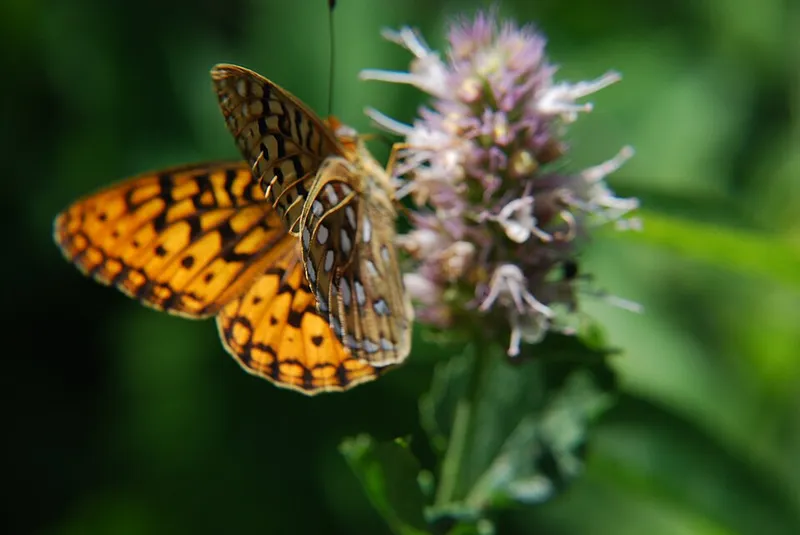
False indigo is one of the longest-lived perennials for Middle Tennessee, commonly surviving 20+ years once established. Plants develop a deep, extensive root system that makes them drought-tolerant and also means they resent being divided or moved, site selection is permanent. Deer-resistant due to alkaloid content. In Tennessee's clay-heavy soils, initial establishment is slow (2-3 seasons to reach mature size), but the plant eventually crowds out competing weeds. Blue-black seed pods persist into winter and provide structural interest. Attracts butterflies; larval host for several hairstreak and skipper species.
Quick Facts
- Common Name
- False Indigo
- Scientific Name
- Baptisia spp.
- Plant Type
- Perennial
- Region
- Middle Tennessee