About Agastache
Agastache (Agastache spp.)
Common alt names: Giant Hyssop, Anise Hyssop
{{ONE_LINE_CONDITIONS}} Full to part sun, moderately moist to well-drained, tolerates clay soils, pH 6.0-7.5.
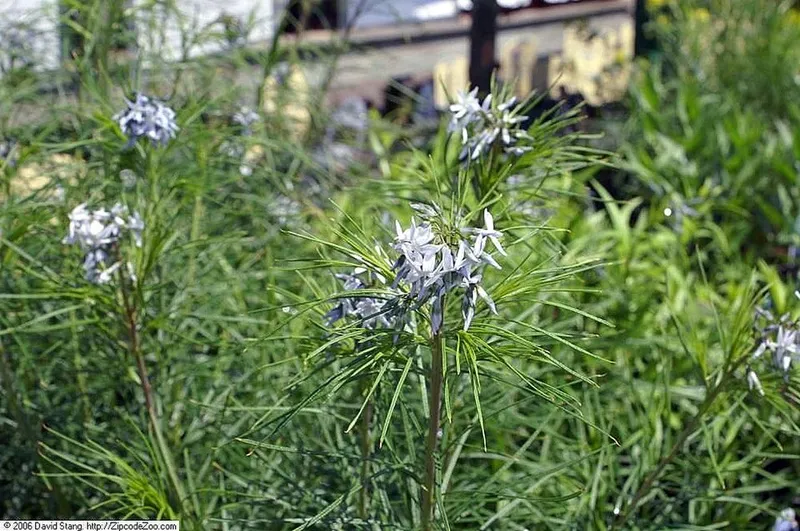
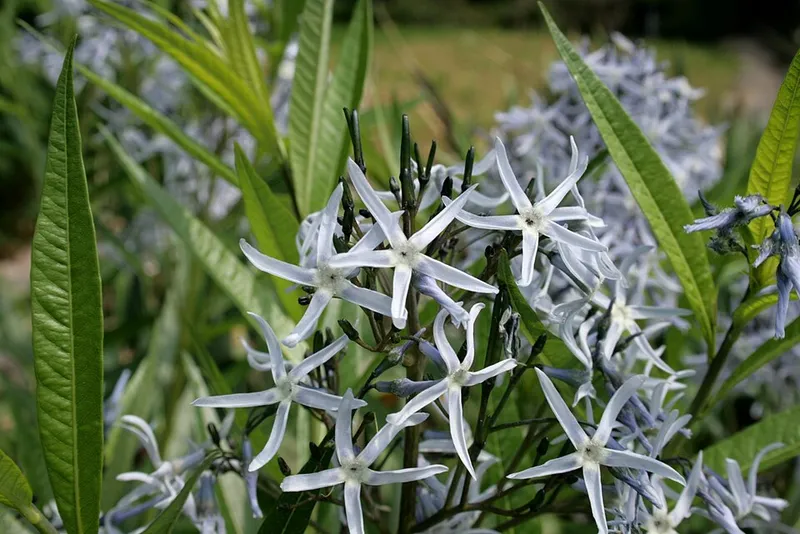
{{SIZE_AND_BLOOM_LINE}} 2-4 feet tall and wide, blooms July-September with lavender to purple flowers, spreads by self-seeding and rhizomes.
{{GERMINATION_PROPAGATION_LINE}} Germination Code: C (cold stratification). Division in early spring is the preferred propagation method.
Native region: Native to Tennessee, found in moist woodlands, stream banks, and open woods throughout the state.
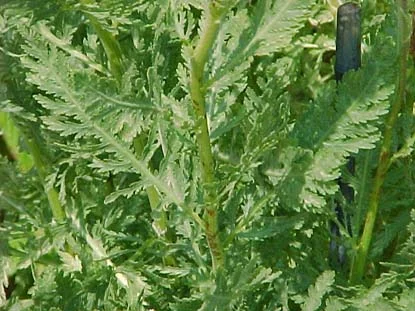
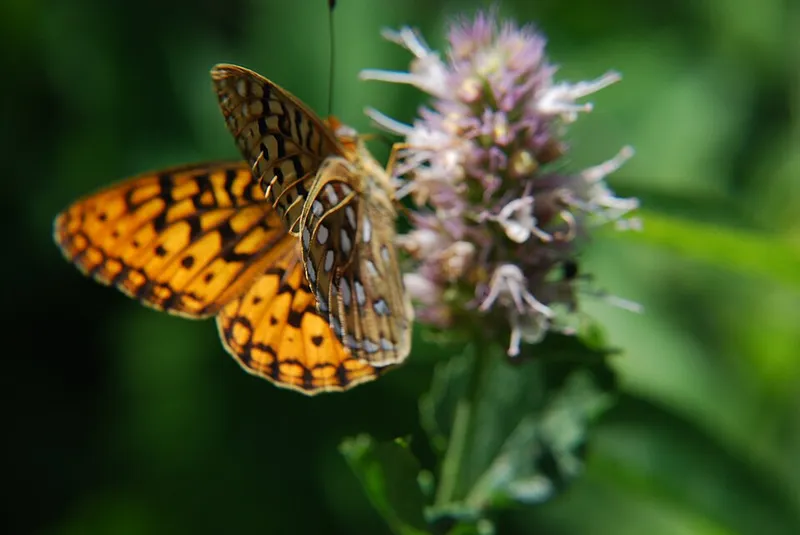
{{PRACTICAL_NOTES}} Agastache spp. thrives in Middle Tennessee’s humid summers and is highly attractive to bees, butterflies, and hummingbirds. The foliage emits a strong anise or licorice scent when brushed, deterring deer. Plants may self-seed in favorable conditions; deadheading can control spread. Tolerates clay soils common in the I-65 corridor but requires good drainage to prevent root rot in heavy wet winters.
Quick Facts
- Common Name
- Agastache
- Scientific Name
- Agastache spp.
- Plant Type
- Perennial
- Region
- Middle Tennessee