About Black-Eyed Susan
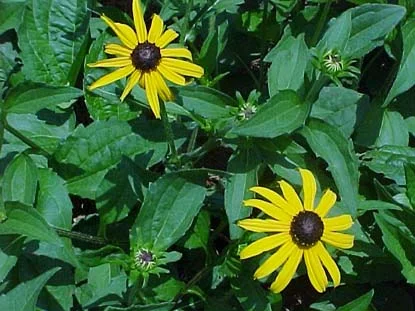
Black-Eyed Susan (Rudbeckia fulgida)
Perennial Black-Eyed Susan, Orange Coneflower
Full sun, medium to moderately dry moisture, best in rich soil but tolerant of a wide range including clay, moderately to slightly acid pH.
2-3 feet tall, blooms summer into fall (July-October in Middle Tennessee) with golden-yellow daisy-like flowers with dark brown centers; naturalizes by rhizomes to form colonies; also multiplies from seed.
Germination Code: C(90). Divide clumps every 3-4 years in spring to maintain vigor; the cultivar 'Goldsturm' (R. fulgida var. sullivanti) does not come true from seed.
Native region: Middle and East Tennessee, lightly in West Tennessee; native to moist meadows, prairies, and woodland edges.
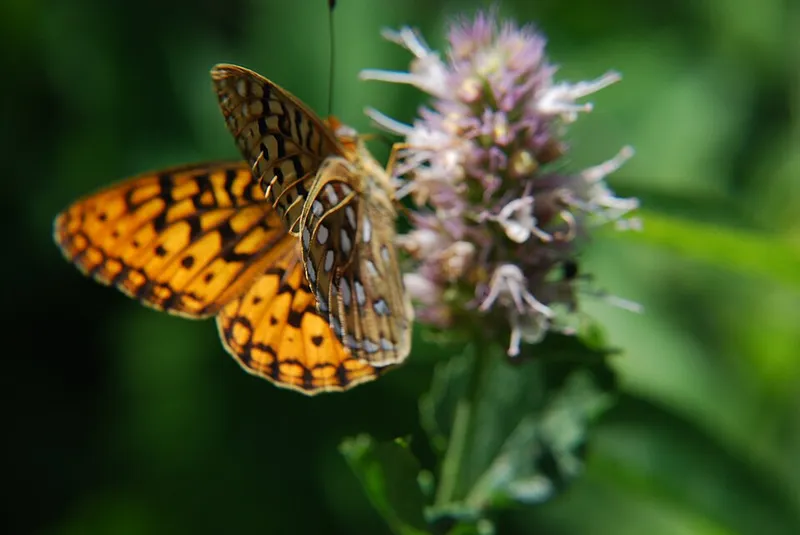
Black-eyed susan is one of the hardest-working natives for Middle Tennessee landscapes, tolerating the clay soils, summer heat, and periodic humidity that define the I-65 corridor. It performs well in drifts with other prairie companions such as Liatris spicata, Echinacea purpurea, and ornamental grasses. The cultivar 'Goldsturm' is the most available and most uniform, but it was originally selected in Europe and may not perform identically to locally-sourced wild-type stock. Tolerates light shade but produces fewer flowers. Attracts butterflies, bees, and goldfinches (seed heads).
Quick Facts
- Common Name
- Black-Eyed Susan
- Scientific Name
- Rudbeckia fulgida
- Plant Type
- Perennial
- Region
- Middle Tennessee