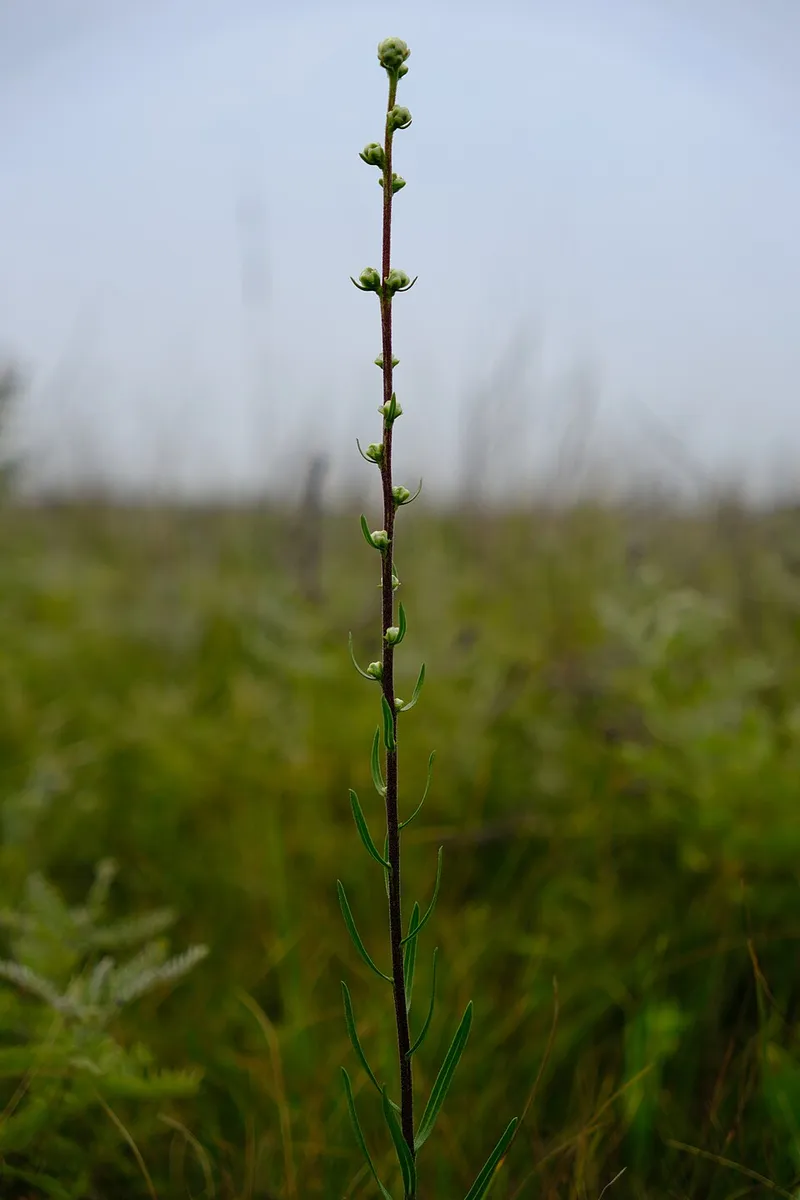
About Blazing Star
Blazing Star (Liatris spicata)
Dense Blazing Star, Gayfeather
Full sun, medium to moderately dry moisture, tolerates a wide range of soils including clay; moderately acid to neutral pH.
2-4 feet tall, blooms mid-summer (July-August in Middle Tennessee) with dense purple-rose flower spikes opening top to bottom, opposite of most spike-flowered plants; spreads by corm offsets and self-seeding.
Germination Code: C(60), cold stratification required. Division of corm clusters every 3-4 years in early spring prevents overcrowding.
Native region: Liatris spicata occurs statewide in Tennessee, in moist meadows and low prairies; related L. squarrosa also statewide in drier sites.
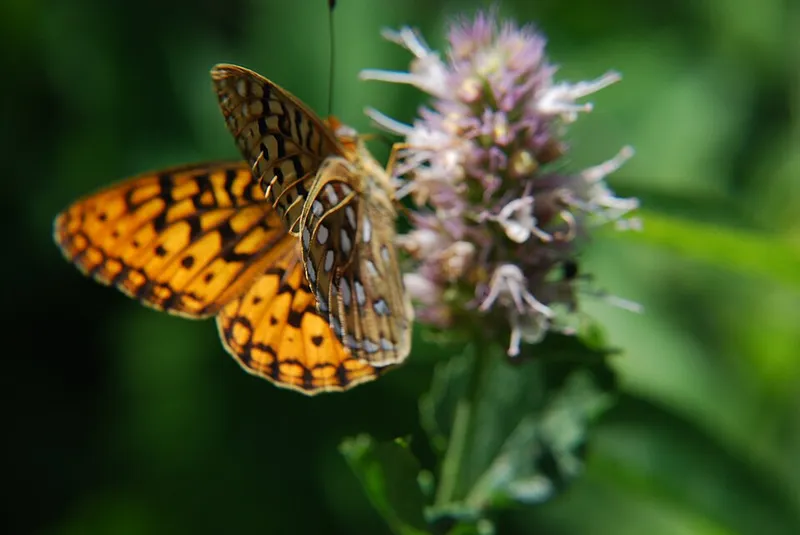
Blazing star is one of the most reliable natives for full-sun Middle Tennessee gardens, tolerating both the clay soils of the Central Basin and the periodic summer drought along the I-65 corridor. The top-to-bottom flowering sequence is distinctive and provides weeks of bloom as the spike progresses downward through July and August. Crowded corms produce fewer and shorter flower spikes, division maintains performance. Unlike the closely related Liatris squarrosa, L. spicata accepts moist, heavier soils and is the better choice for sites with imperfect drainage. Monarchs and swallowtails are reliable visitors; goldfinches strip the seed heads in fall.
Quick Facts
- Common Name
- Blazing Star
- Scientific Name
- Liatris spicata
- Plant Type
- Perennial
- Region
- Middle Tennessee