About Prairie Dropseed
Prairie Dropseed (Sporobolus heterolepis)
Full sun, dry to moderately dry, well-drained soils required, tolerates clay if not waterlogged, pH 6.0-8.0.
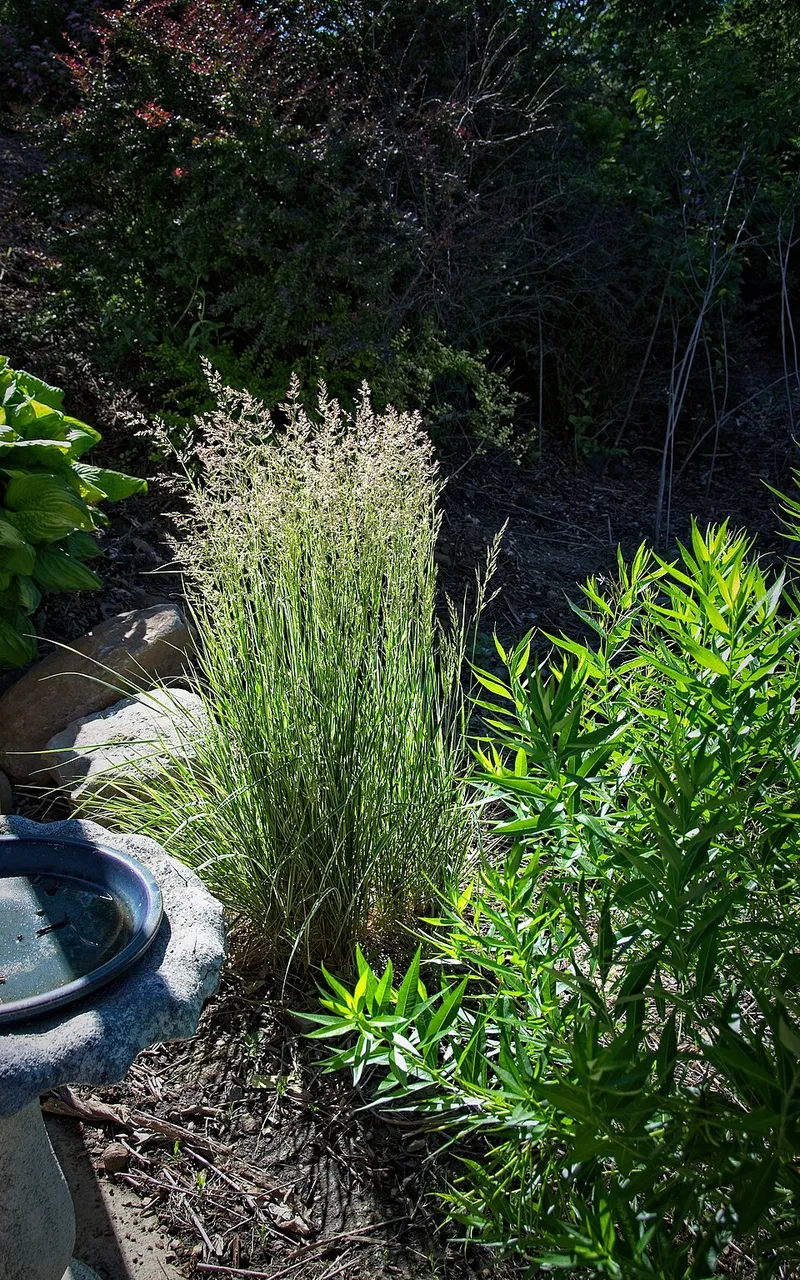
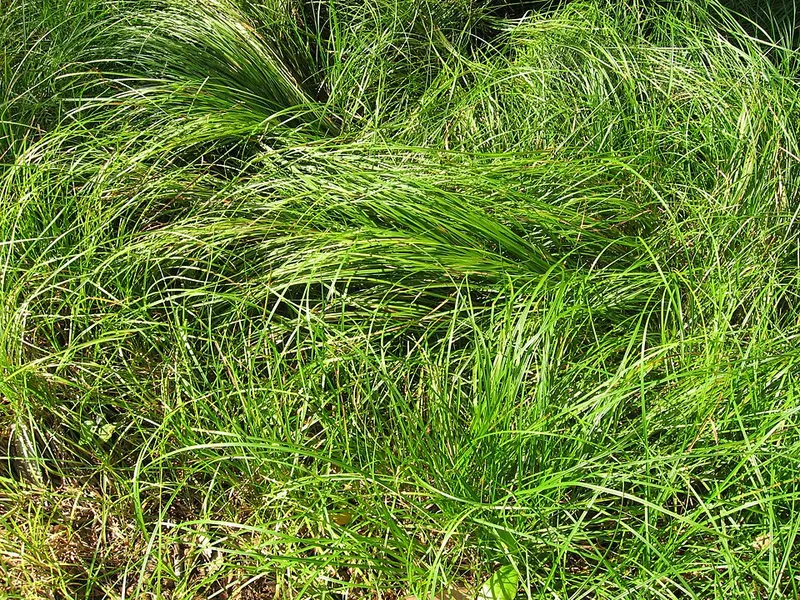
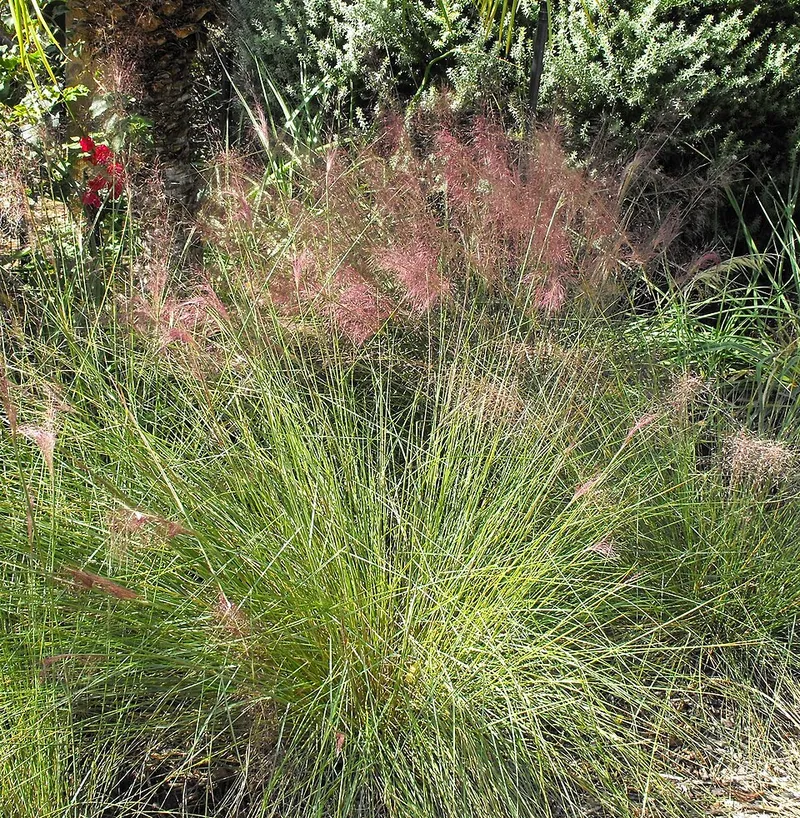
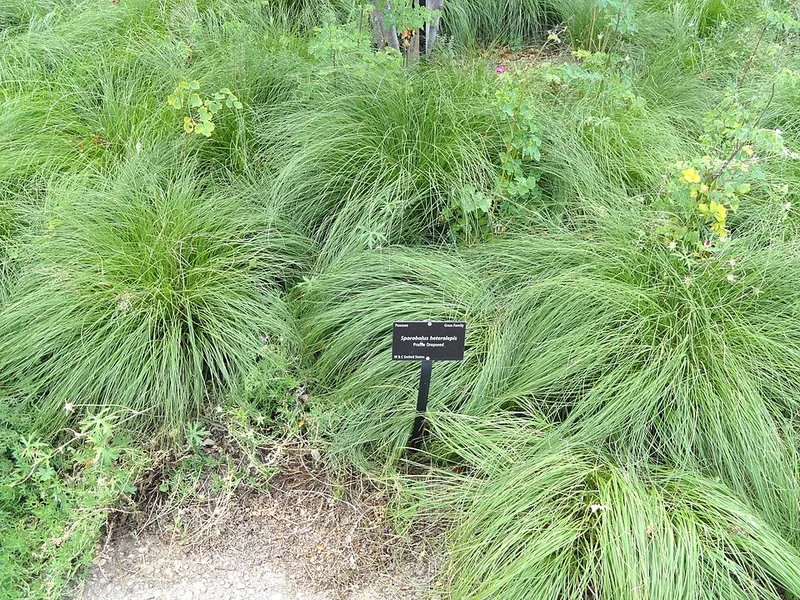
18-24 inches tall in flower, 24-30 inches wide; blooms August-September with fine, airy pink-to-gold panicles that carry a distinctive spicy-sweet fragrance; warm-season clump-former with arching habit; seeds drop quickly (giving the name); spreads slowly by clump expansion with minimal self-seeding.
Germination slow and erratic; propagation by division of established clumps in spring is more reliable.
Native region: Primarily in Middle Tennessee's limestone cedar glades and dry calcareous prairies; scattered in West Tennessee; a remnant prairie indicator species.
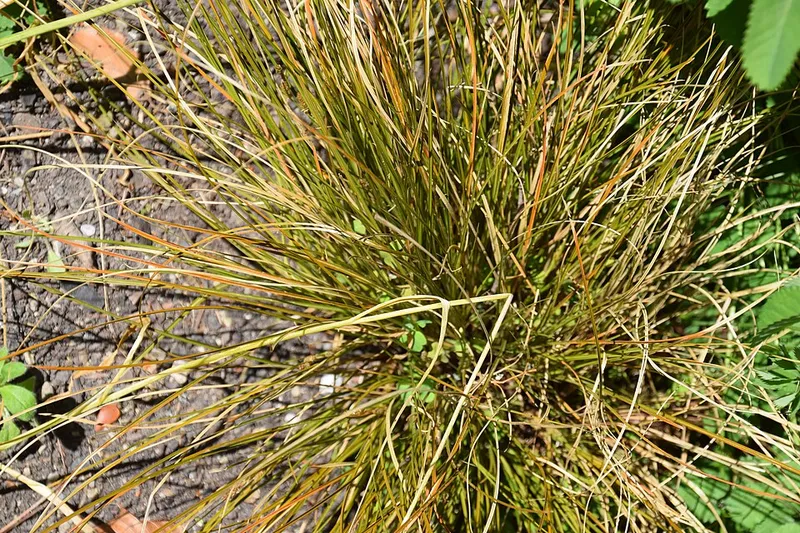
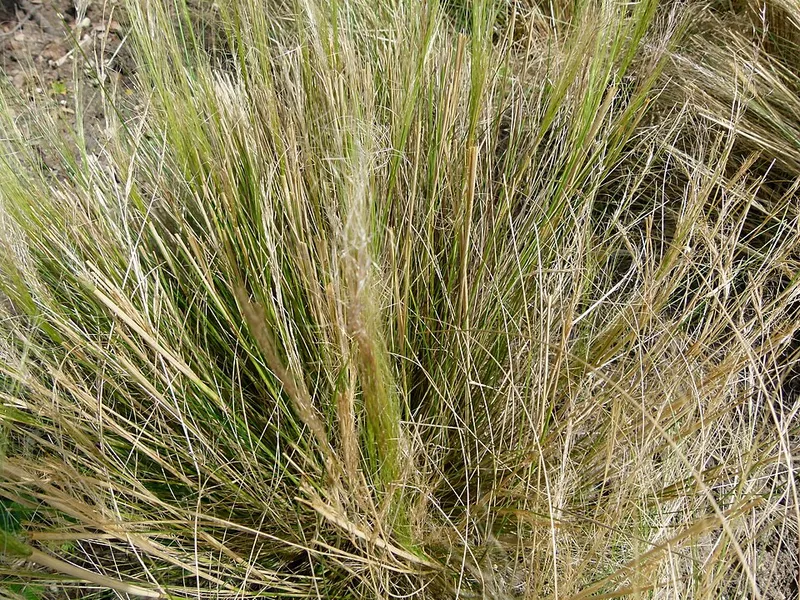
Sporobolus heterolepis is one of the finer-textured native grasses available for Middle Tennessee landscapes, producing a fountain-shaped mound of thread-like foliage with fragrant late-summer blooms. The fragrance, faintly of coriander or cilantro, is most detectable in the morning. Establishment is slow: plants may not reach full size for 3-4 years, and transplanting mature clumps is difficult due to a deep, coarse root system. Once established, it is exceptionally drought-tolerant and long-lived, with minimal disease or pest pressure. The fine texture holds tan into winter, providing off-season interest. Pairs naturally with Muhlenbergia capillaris and Schizachyrium scoparium in dry, sunny beds.
Quick Facts
- Common Name
- Prairie Dropseed
- Scientific Name
- Sporobolus heterolepis
- Plant Type
- Ornamental Grass
- Region
- Middle Tennessee