About Little Blue Stem
Little Blue Stem (Schizachyrium scoparium)
Full to part sun, medium to dry moisture, prefers low-fertility soils and tolerates clay, slightly to moderately alkaline pH preferred.
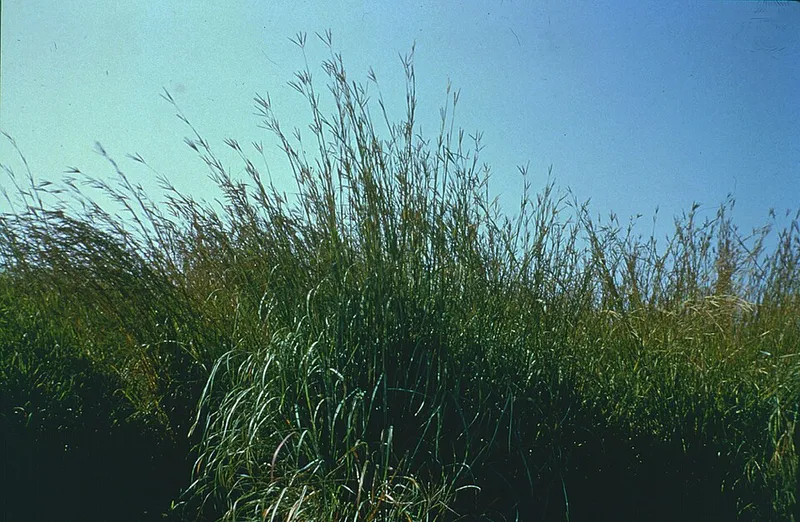
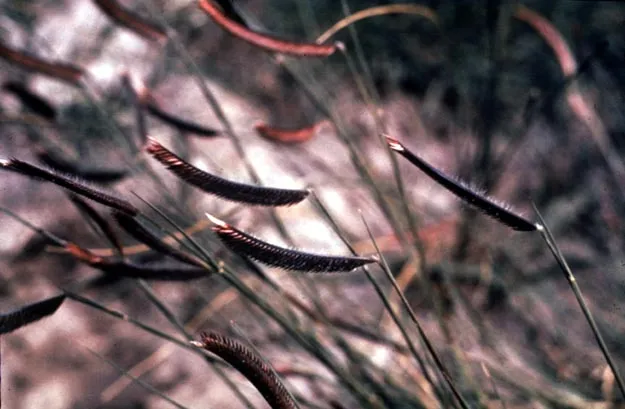
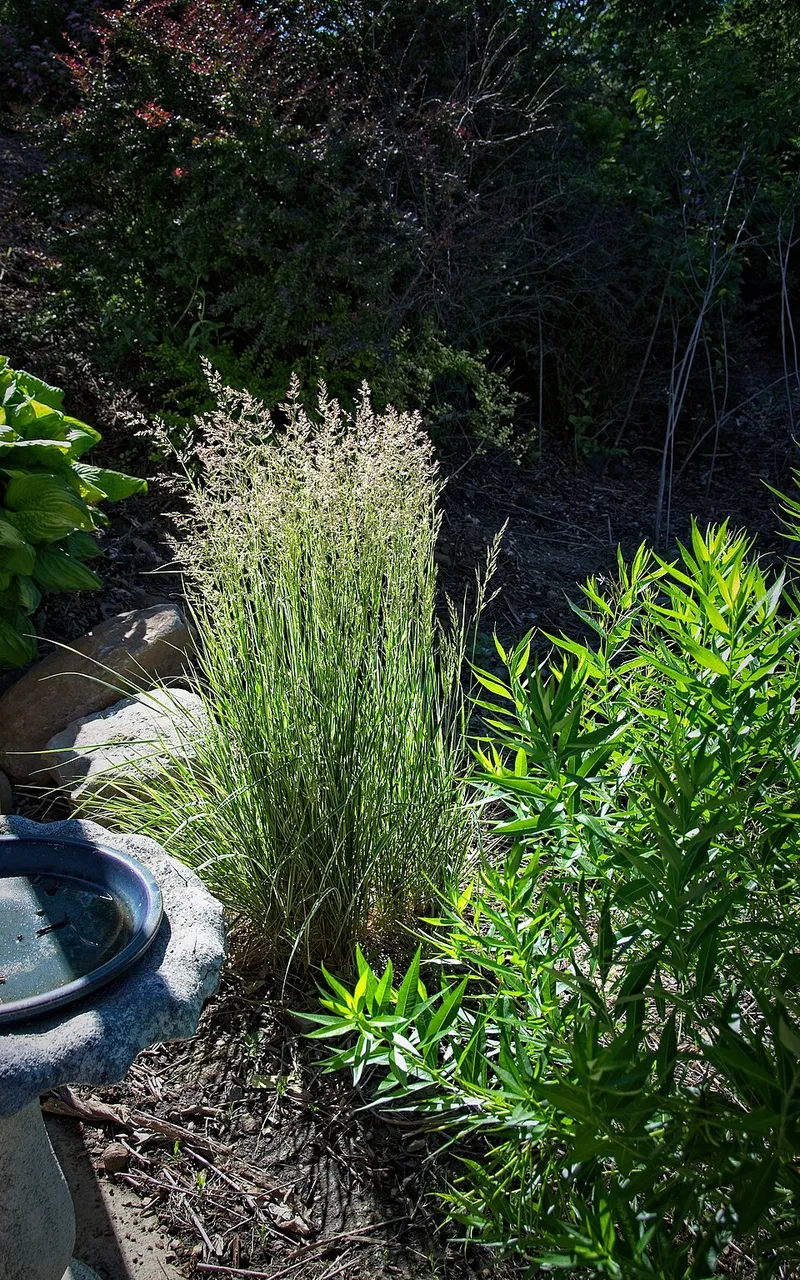
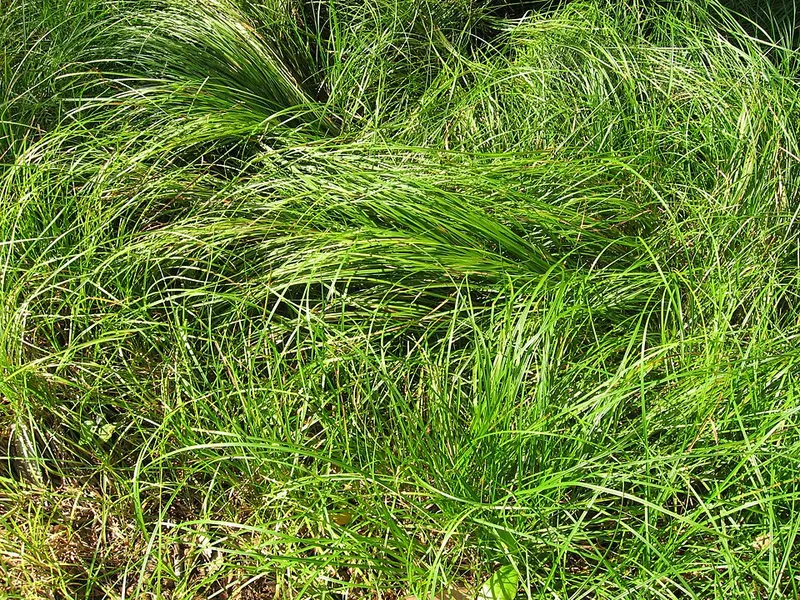
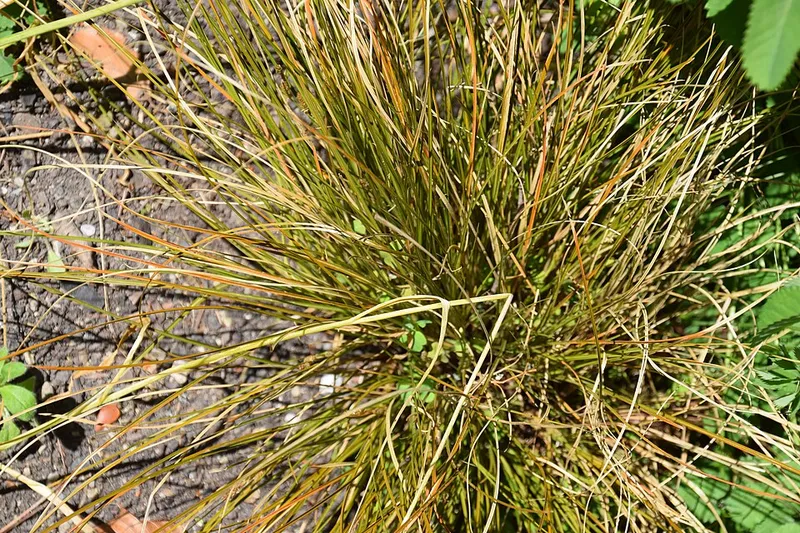
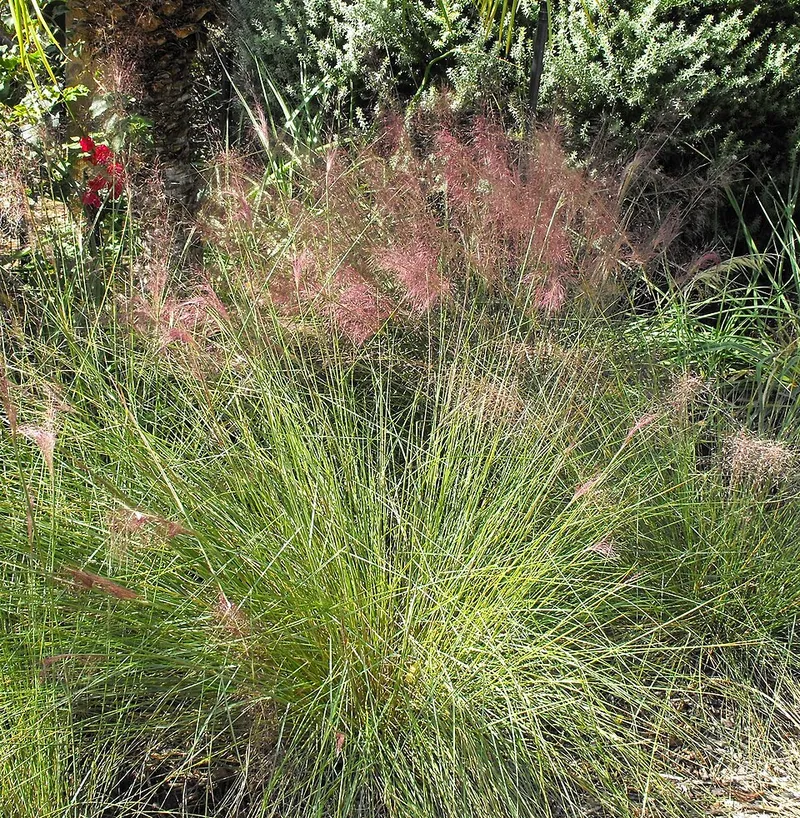
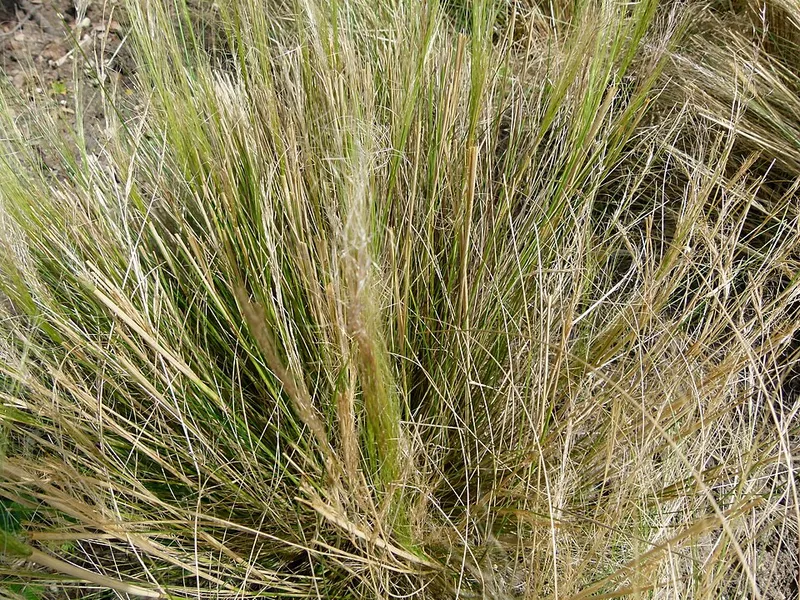
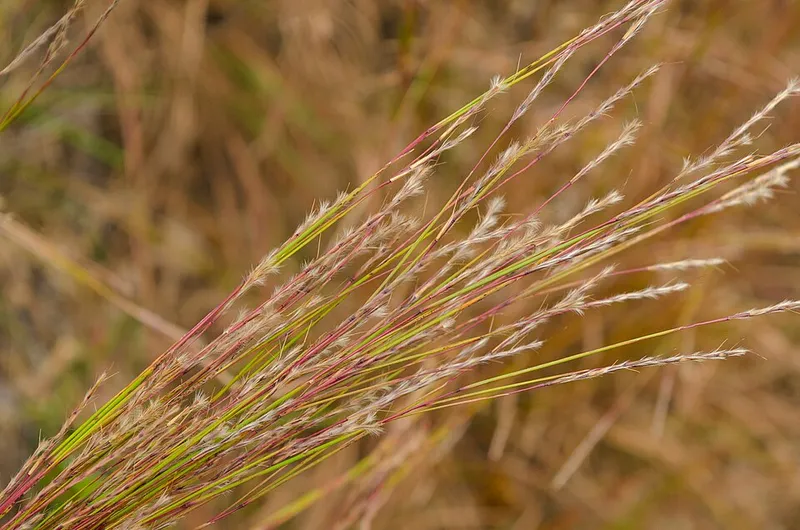
2-4 feet tall; blooms late summer with small silvery-white seed tufts; warm-season clump-former, re-seeds readily; blue-green summer foliage turns vivid orange-red in fall and persists through winter; roots extend 5-8 feet deep.
Germination Code: A. Division in spring or direct seed in fall; benefits from an annual cut-back in late winter.
Native region: Statewide in Tennessee, native to prairies, glades, and dry open woodlands across the state.
Schizachyrium scoparium was historically one of the most abundant grasses in Middle Tennessee's upland prairies and cedar glades, and it remains well-adapted to the thin limestone-derived soils of the Inner Central Basin. Its deep root system, reaching 5-8 feet, provides genuine drought resistance once established, making it well-suited to dry slopes and boulevard strips along the I-65 corridor where shallow, gravelly fill is common. Rich, moist soils cause floppy growth; lean, well-drained conditions produce the tightest, most upright clumps. Fall color is among the most reliable of native grasses: orange-bronze to red, persisting well into December. Birds consume the seed heads; leaves used as nesting material by sparrows.
Quick Facts
- Common Name
- Little Blue Stem
- Scientific Name
- Schizachyrium scoparium
- Plant Type
- Ornamental Grass
- Region
- Middle Tennessee